Skip navigation

AI and Machine Learning Consulting

Turn your own data into models that forecast, classify and flag what matters, then keep them accurate in production. You start with a free discovery call and strategy session.

Talk to an Expert for Free
  • Your savings, estimated first
  • No commitment
  • Same-day reply
Trusted in 7 sectors
  • HALVERTON
  • KestrelGROUP
  • norvane
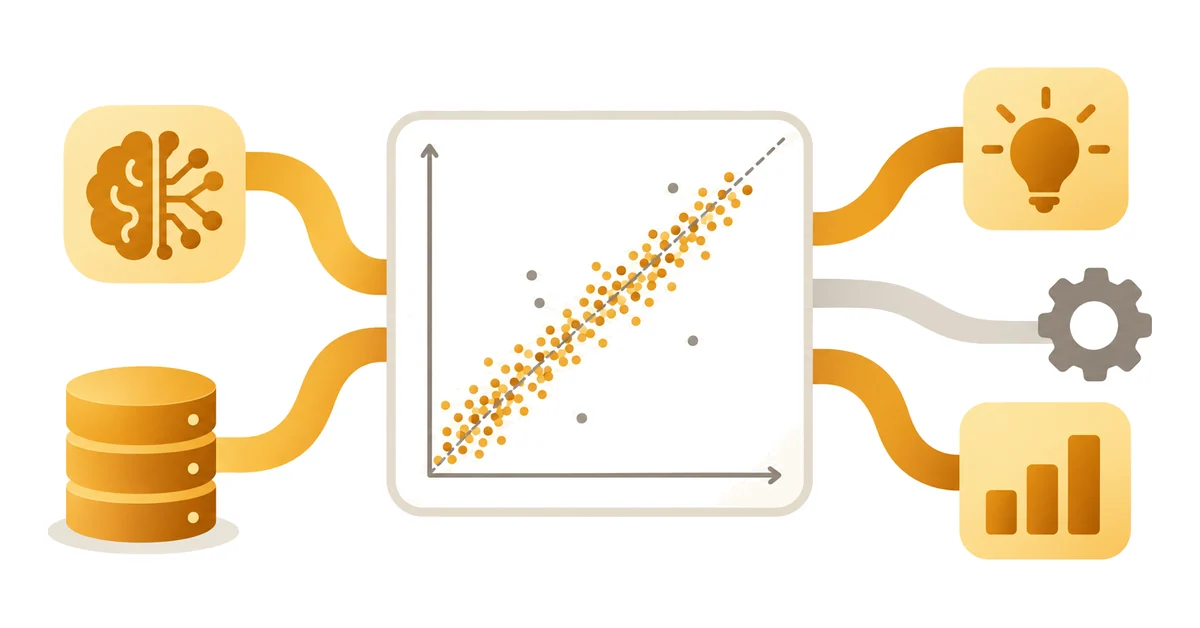
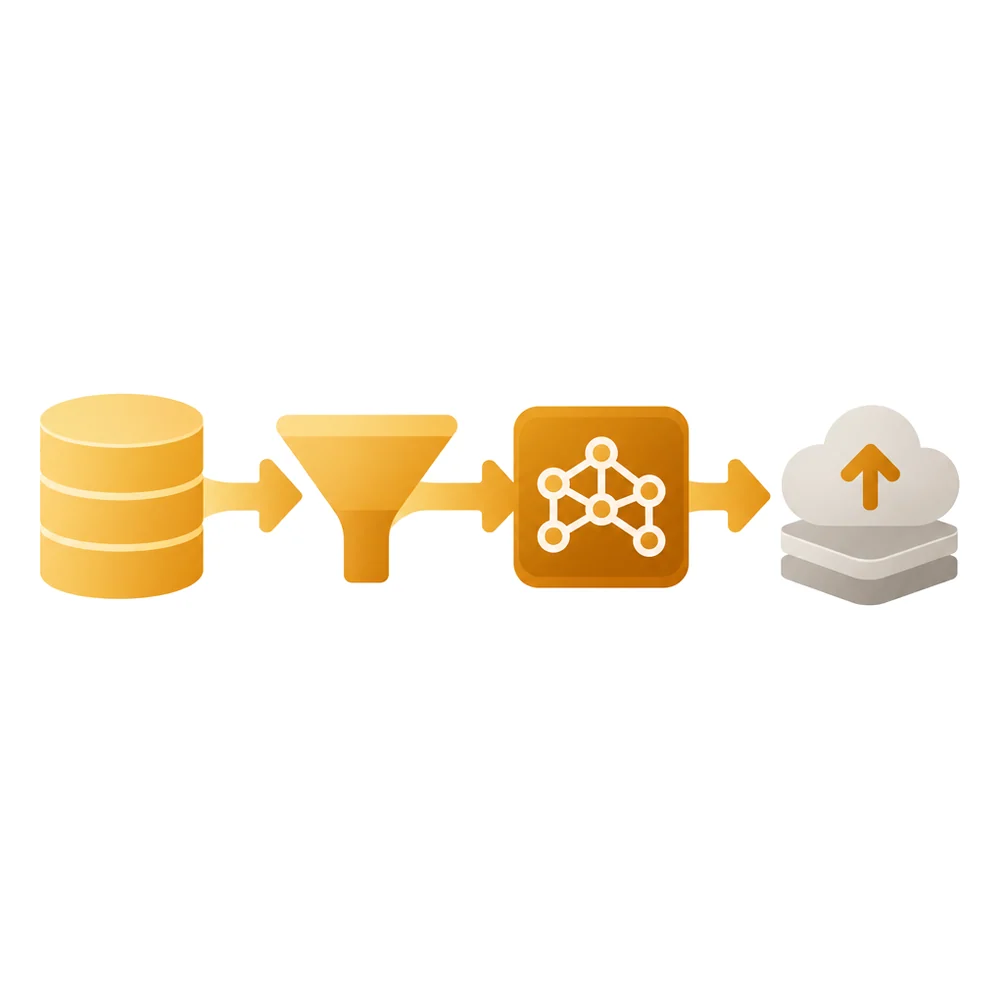
Machine learning pipeline from business data to model training, deployment and a live prediction dashboard
  • Full-service, end-to-end AI consulting
  • 150+ AI use cases scoped
  • 60+ AI agents and workflows built
  • 80+ readiness assessments
  • Trusted in 7 sectors
  • Free discovery call and strategy session
  • One named contact person
  • Multilingual support

What Is AI and Machine Learning Consulting?

AI and machine learning consulting is a service that helps you find decisions your data can predict, build the right model and run it reliably inside your business. You get forecasting, classification, recommendation or anomaly detection models tied to a decision someone acts on, with the pipelines and monitoring to keep them working.

How a Machine Learning Model Works Inside Your Business

  1. Data flows inSales, transactions, sensor readings, documents or images move from your systems through a tested pipeline.
  2. The model learnsPatterns in your history are turned into a model, then checked on data it has never seen before.
  3. Predictions go liveForecasts, scores and flags appear in your ERP, CRM or app, right where your team makes the call.
  4. Monitoring watchesAccuracy and input data are tracked daily, and drift triggers an alert and a retraining check.
  5. Result checkmark iconYou decide betterEach model is measured against your old way of deciding, and the gap is reported to you every month.

What Machine Learning Consultants Actually Do

You get help at every stage a model passes through, from the first look at your data to the alert that fires when accuracy slips.

  • Data and use case review
  • Build, buy or fine-tune decisions
  • Data pipelines and feature engineering
  • Model training and evaluation
  • Deployment into your systems
  • MLOps, monitoring and drift alerts

What Guesswork and Stalled Models Cost Your Business

Spreadsheet forecasts, gut-feel scoring and models that never left a notebook all have a price. You pay it in stock, risk and time you didn’t need to lose.

  • Progress chart icon1.

    Forecasts Built on Last Year

    Demand and staffing plans copied from last year’s numbers miss promotions, weather and new products, so you end up with too much stock in one place and empty shelves in another.

    Real costTied-Up Cash

    Inventory and labor planned on stale numbers

  • Warning icon2.

    Fraud and Faults Found Late

    Unusual payments, failing machines and billing errors get caught at month-end or after a customer complains, long after the damage is done.

    Real costAvoidable Losses

    Problems a model could flag in minutes

  • Hourglass icon3.

    Pilots Stuck in Notebooks

    A data scientist builds a promising model, but nobody wires it into a live system. Months later it’s still a slide in a quarterly review.

    Real costSunk Effort

    Work that never reaches a real decision

  • Results report icon4.

    Models That Quietly Decay

    Customer behavior, prices and suppliers change. A model left without monitoring keeps scoring with old patterns, and nobody notices the drop.

    Real costWrong Decisions

    Confident predictions that are no longer right

Machine Learning Consulting Tied to the Decisions You Make

A model earns its keep when someone acts on its output. Your project starts by naming that decision: which order to place, which claim to review, which customer to call. Accuracy targets are then set in business terms, like fewer stockouts or fewer false fraud alerts.

From there, the simplest approach that meets the target wins. Sometimes that’s a gradient-boosted model on your own tables. Sometimes it’s a fine-tuned vision model or a product you can buy. You see the trade-offs in writing before any compute bill starts.

What Your Project Delivers

  • Use cases ranked by value and data readiness
  • A costed build, buy or fine-tune recommendation
  • Models tested on held-out data before launch
  • Drift monitoring and a clear retraining plan

Why Machine Learning Gives You an Edge Your Competitors Can’t Copy

Any company can buy the same software. Your own sales history, customer behavior and operating data are yours alone, and a model trained on them gets better as you grow. Pick one decision, prove the lift against how you decide today, then add the next model on the same pipeline.

Right for You If You Want To

  • Progress chart iconForecast demand, staffing and cash flow with fewer surprises
  • Target iconScore leads, churn risk or credit risk on every record
  • Warning iconFlag unusual transactions, readings or invoices as they happen
  • Team skills iconRecommend the next product or offer for each customer
  • Inbox iconClassify documents, photos and scans with vision models
  • Results report iconTrack model accuracy and business lift in one report

Your Machine Learning Project From Data to Deployment

  1. Step 1

    Free Discovery Call

    You describe the decisions you want to improve and the data you keep today. Your consultant asks where that data lives, how far back it goes and who would act on a prediction, then names the ideas most likely to work.

    A written recap and budget range follow

    A short note you can pass to your data, IT and finance leads.

  2. Step 2

    Data and Use Case Review

    Your data is profiled for gaps, label quality and history. Each use case is scored for value per decision, readiness and the cost of a wrong prediction, and a baseline model shows what accuracy is realistic.

    You get priorities in order plus a fixed quote

    Build, buy or fine-tune advice, a timeline and one set price for your first model.

  3. Step 3

    Build, Validate and Deploy

    Pipelines, features and the model are built and tested on held-out data. The model then runs in shadow mode next to your current process, so you compare its calls with real outcomes before it goes live.

    You get a model running in your systems

    Versioned, documented and wired into the tools your team already uses.

  4. Ongoing

    Monitor, Retrain and Extend

    Your account manager reviews accuracy, drift and business impact each month. Models are retrained when the data shifts, and new use cases reuse the same pipeline and monitoring setup.

    You get a monthly model performance report

    Accuracy, drift alerts and business lift in one place, plus support when you need it.

What’s Included in AI and Machine Learning Consulting

Start with a single model review or get the full program, from data audit to ongoing MLOps.

  • Your Data Profiled and Use Cases Ranked

    Gaps, labels and history checked, with each idea scored for value and readiness.

  • A Clear Build, Buy or Fine-Tune Call

    Each option costed side by side, including the running cost after launch.

  • Pipelines You Can Trust

    Tested data pipelines and features that feed training and live predictions alike.

  • Models Validated Before They Decide

    Held-out testing, bias checks and a shadow run against your current process.

  • Deployment Into Your Live Systems

    Predictions delivered by API or batch into your ERP, CRM, app or data warehouse.

  • MLOps, Drift Alerts and Retraining

    Accuracy watched daily, with retraining and version control when patterns change.

AI Readiness Assessments80+
AI Platforms and LLMs Used15+
Machine learning model evaluation chart comparing predictions with actual outcomes on held-out data
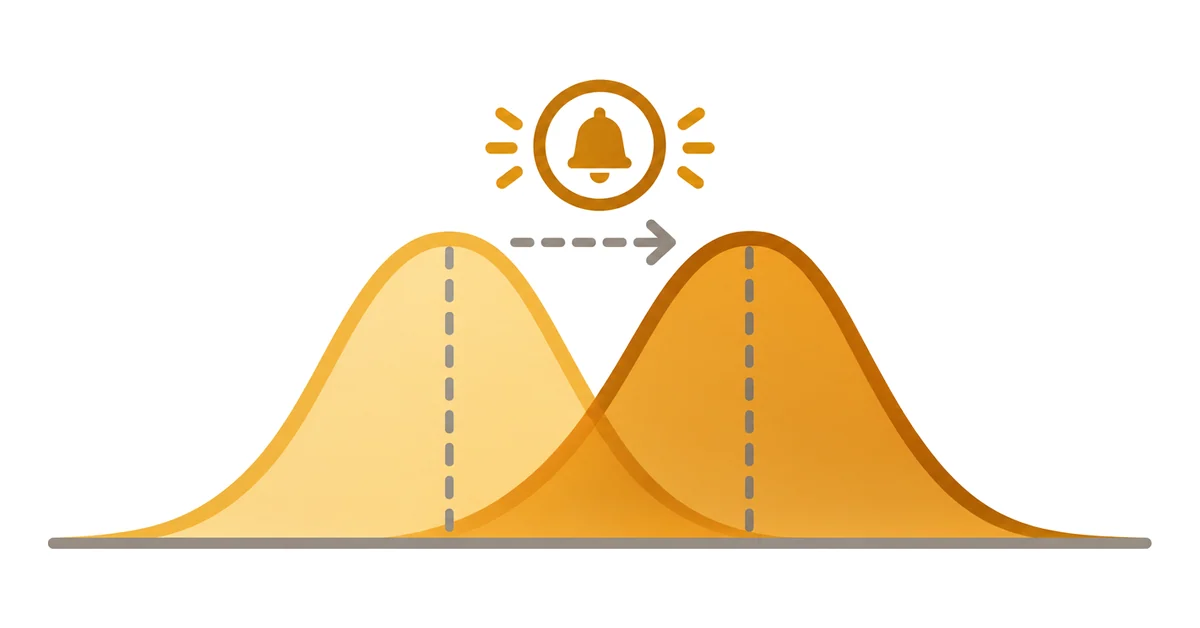
Model monitoring dashboard showing a data drift alert and a retraining step

How Clients Describe Their Machine Learning Projects

Live in Production in 9 Weeks

“We had a pilot that never left the sandbox. WiseCrow rebuilt the data pipeline, set up monitoring and gave our engineers clear ownership. Nine weeks later it was running in production, and they still review performance with us every month.”

PR
Priya RamanVP of Engineering, SaaS Platform

20 Hours Back Every Week

“They trained our team instead of hiding the work behind a black box. Our analysts now get about twenty hours back each week, and we understand every model and workflow they set up. It feels like a capability we own, not a tool we rent.”

CW
Chris WhitfieldFounder, Ecommerce Brand

3 Pilots, One Clear Winner

“Instead of chasing every AI idea, they scored three pilots against cost, risk and payback. The winner paid for itself within the first quarter. Their weekly updates were short and honest, and always told us exactly what was blocked and why.”

JP
Jonathan PierceCOO, Insurance Brokerage

Your Decisions Before and After Machine Learning

How planning, scoring and checks change once a model does the first pass.

Before Machine Learning

  • Forecasts copied from last year’s spreadsheet
  • Every case reviewed by hand in the same order
  • Fraud and faults found at month-end
  • Models stuck on one analyst’s laptop
  • No way to tell if a model still works

After Machine Learning

  • Forecasts updated with fresh data each week
  • Cases scored so your team starts with the riskiest
  • Unusual activity flagged as it happens
  • Models deployed, versioned and documented
  • Daily accuracy checks with drift alerts

Benefits of AI and Machine Learning Consulting for Your Business

What outside expertise adds when you put models into production.

Target iconYou Make Sharper Calls at Scale

A model scores every order, claim or customer the same careful way, thousands of times a day. Your team keeps the final say and starts each day with the cases that matter most.

Fast response iconYour Models Reach Production

Notebook experiments are easy. Live pipelines, deployment and monitoring take engineering. You get both, so a promising model becomes a working part of your process.

Coin iconYou Spend Only on What Your Problem Needs

A clear build, buy or fine-tune decision keeps you away from custom work a product could handle, and from licenses that don’t fit your data. Compute costs are planned up front.

Shield iconYou Stay in Control as Data Changes

Drift monitoring, version control and explainable outputs mean you always know which model made a call and why. When patterns shift, retraining happens on schedule, with a test before every switch.
Machine Learning Consulting Pricing and Return

Your first model gets a fixed quote after a free data and use case review. The table shows the review time a model can give back when it scores or pre-sorts decisions your team now makes by hand, at about three minutes each.

Manual decisions scored per weekHours back per weekHours back per yearValue per year
500 25 hrs1,300 hrs$52,000
1,000Usual starting project 50 hrs2,600 hrs$104,000
2,500 125 hrs6,500 hrs$260,000

How Your Machine Learning Engagement Begins

  • Open-ended research budgets

    A Fixed Price for Your First Model

    Your quote covers the agreed scope, with cloud compute and licenses listed next to it.

  • Models your data can’t support

    An Honest Data Verdict

    If your data can’t support the model you want, you hear it early, along with what to collect first.

  • Accuracy claims without proof

    Results on Your Own Data

    Weekly updates show test results on held-out data, including the cases the model still gets wrong.

  • Waiting weeks for a proposal

    A Written Summary After Your Call

    You get the most promising use cases, the data they need and a cost range to share internally.

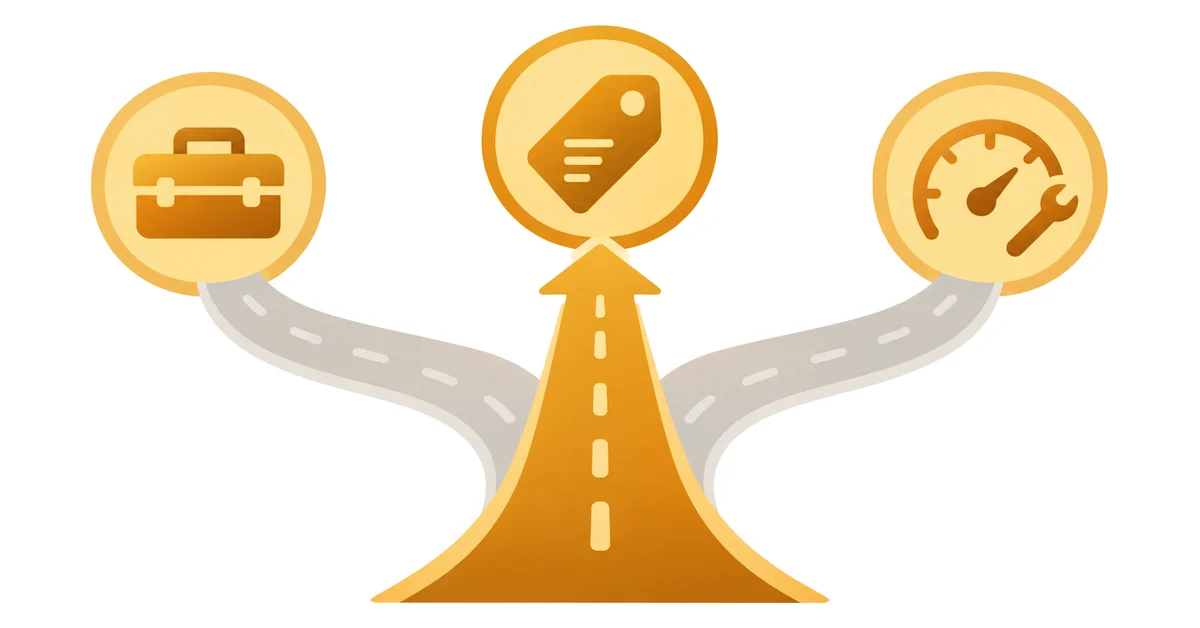
Three paths for a machine learning project: build a custom model, buy a product or fine-tune a pretrained model

Build, Buy or Fine-Tune: The Right Model for Each Problem

Some problems call for a custom model trained on your tables, like demand forecasting or churn scoring in your market. Others are better served by fine-tuning a pretrained vision or document model on a few thousand of your own examples.

And sometimes a product already does the job well. Each option is compared on accuracy, time to launch, running cost and lock-in, so you pick the one that fits your data and budget, and you know what you’re giving up.

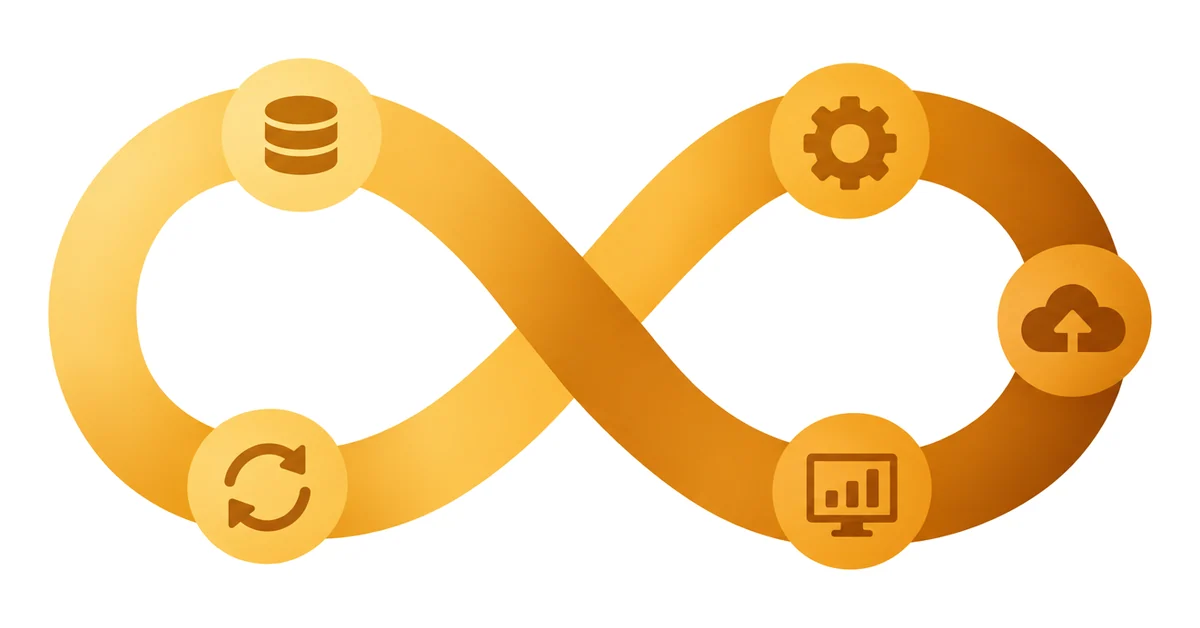
MLOps lifecycle with data pipeline, training, deployment, monitoring and retraining steps in a loop

MLOps That Keeps Your Models Accurate After Launch

A model is trained on yesterday’s patterns. Prices, seasons and customer habits move on. Your MLOps setup tracks input drift and prediction quality every day, and sends an alert when either moves past the limits you agreed.

Data pipelines, training runs and model versions are logged, so any prediction can be traced to the data and code behind it. New versions are tested against the live one before they take over, and rollback takes a single step.

Machine Learning Consulting for Your Industry

The models that tend to pay back first in your sector.

Financial Services

Score credit and fraud risk, flag unusual transactions and forecast cash needs, with explainable outputs your risk and compliance teams can review. Learn more about financial services AI consulting.

Healthcare

Forecast patient volumes and no-shows, classify referral documents and support staffing plans, with patient data masked and access tightly controlled. See healthcare AI consulting.

Retail

Predict demand per store and product, set reorder points and recommend items to each shopper based on what they browse and buy. Read about retail AI consulting for stores and chains.

Manufacturing and Logistics

Spot defects with vision models on the line, predict machine failures from sensor data and forecast delivery times. For the compute and deployment side, see AI infrastructure consulting.

How to Choose an AI and Machine Learning Consulting Partner

Plenty of firms can train a model. Far fewer can keep one accurate in production for years. Before you sign, ask your AI and machine learning consulting partner to show you:

  • A data review that tells you plainly what your data can and can’t support
  • A written build, buy or fine-tune comparison with running costs
  • Validation on held-out data and a shadow run before go-live
  • Monitoring, drift alerts and a retraining plan built into the quote
  • Models, code and pipelines delivered into your own accounts

Also ask how a model gets rolled back if a new version performs worse. A good partner answers in one sentence.

What You Can Count On From Your Machine Learning Partner

  • Price agreement icon

    Fixed Quote Before the Build

    You know the price of your first model before work starts.

  • Coin icon

    Affordable, Best-in-Class Work

    Full-service, end-to-end consulting priced for a first model.

  • Single point of contact icon

    Dedicated Account Manager

    One contact who knows your data, your models and your goals.

  • Shield icon

    Training Data Kept Secure

    Least-privilege access, masked personal data and NDAs on request.

Questions About AI and Machine Learning Consulting

Do We Have Enough Data for Machine Learning?

It depends on the problem more than the row count. A demand forecast needs a few seasons of clean sales history. A defect classifier needs labeled examples of every defect type you care about, including the rare ones. Your data review checks volume, label quality, gaps and how far back the history goes. If the data falls short, you get a plan to collect or label what’s missing, or a simpler approach that works with what you have today.

Should We Build a Custom Model, Buy a Product or Fine-Tune an Existing Model?

Buy when an off-the-shelf product already solves your problem well and your data gives you no edge. Fine-tune a pretrained model when the task is common, like reading invoices or sorting images, but your documents or products look different from the public examples. Build from scratch when your own data is the advantage, such as pricing, churn or demand in a niche market. Each option is costed side by side in writing, including the running cost after launch.

Which Machine Learning Problems Pay Off First?

Decisions you make often, with a clear outcome you can check later. Forecasting demand or staffing, scoring leads or credit risk, flagging unusual transactions, routing documents and recommending products all fit. Your use case review scores each idea for value per decision, data readiness, how a wrong prediction hurts and how easily the result plugs into the process that acts on it.

How Long Does It Take to Get a Model into Production?

It varies with data access, integration work and how much testing your risk team needs. A proof of value on historical data usually comes first, so you see real accuracy numbers before a full build is approved. You get a timeline with your plan, and the production work is released in stages, starting with the model running quietly next to your current process before it makes live decisions.

What Is MLOps and Do We Need It?

MLOps is the set of pipelines, tests and monitoring that keeps a model working after launch. It covers how data flows in, how models are retrained and versioned, how new versions are tested and rolled out, and how performance is watched over time. If a model makes decisions your business relies on, you need at least a light version of it. Without monitoring, accuracy can fade for months before anyone notices.

What Happens When the Model’s Accuracy Drops?

Monitoring tracks input data and prediction quality against the levels agreed at launch. When drift shows up, for example after a price change, a new product line or a shift in customer behavior, an alert goes out. The model is checked, retrained on fresh data and tested against the current version before it replaces it. Your account manager walks you through what changed and why.

Can We Understand Why the Model Made a Decision?

Yes, to the level your use case needs. For credit, claims or hiring decisions, models are chosen and set up so each prediction comes with the main factors behind it, and simpler models are used where a regulator or customer may ask for an explanation. For lower-risk tasks like product recommendations, you get clear reporting on overall behavior and the inputs that matter most.

How Do You Protect Our Data During Model Training?

Training runs in your own cloud account or an environment you approve, with least-privilege access and documented data flows. Personal data is removed or masked where the model doesn’t need it. Datasets, code and model versions are tracked, so you can show which data trained which model. NDAs are available on request, and your security team can review every step.

How Much Does Machine Learning Consulting Cost?

Cost depends on data preparation, the number of models, integration work and how much monitoring you need. You get a cost range on your free discovery call and a fixed quote after the data and use case review. Cloud compute and any software licenses are listed separately, so you see the full cost of training and running the model before you commit.

Who Owns the Models and Code After the Project?

You do. Models, training code, pipelines and documentation live in your accounts and repositories from the start. Your engineers get hands-on training on retraining, deployment and monitoring. If you want ongoing help, your dedicated account manager stays on to review performance each month, with support in 5+ languages.

Plan Your First Production Model With a Free Call

Get a free data and use case review and a clear plan for your first machine learning model.

Talk to an Expert for Free

Set Up Your Free Intro Call

Your name is required.
Please use a valid email.
A short subject helps us route your message.
Tell us briefly what you want to achieve.