Skip navigation

AI Ethics Consulting

Put your responsible AI principles to work in every system you build or buy, with tests, owners and records that hold up to questions. You start with a free discovery call and strategy session.

Talk to an Expert for Free
  • Your savings, estimated first
  • No commitment
  • Same-day reply
Trusted in 7 sectors
  • HALVERTON
  • KestrelGROUP
  • norvane
Responsible AI principles turned into practice: risk review, bias test, human sign-off and documentation around one AI system
  • Full-service, end-to-end AI consulting
  • 150+ AI use cases scoped
  • 60+ AI agents and workflows built
  • 80+ readiness assessments
  • Trusted in 7 sectors
  • Free discovery call and strategy session
  • One named contact person
  • Multilingual support

What Is AI Ethics Consulting?

AI ethics consulting is a service that helps your business use AI fairly, openly and under human control. It turns values such as fairness, transparency and accountability into risk reviews, bias tests, oversight rules and documentation your teams follow for every AI use case.

How Responsible AI Works Inside Your Company

  1. Use cases get triagedEach AI system is sorted by who it affects and how much a wrong answer could hurt them, from low to high risk.
  2. Impact is assessedHigh-risk systems get a written impact assessment that covers the people affected, the data used and what could go wrong.
  3. Outcomes are testedResults are compared across groups, and the reasons behind key decisions are checked for clarity before launch.
  4. People stay in chargeClear review points, appeal routes and stop rules let a named person overrule the system when it matters.
  5. Result checkmark iconYour evidence is readyAssessments, test results and board decisions sit in one record you can hand to an auditor or a customer.

What AI Ethics Consultants Actually Do

Good intentions don’t show up in an audit file. The work gives every principle a test, an owner and a place in your release process.

  • Use case risk reviews and triage
  • Bias and fairness testing
  • Transparency and explainability checks
  • Human oversight and appeal design
  • Responsible AI policies and training
  • Governance board setup and records

What Unchecked AI Can Cost Your Customers and Your Brand

Unfair or unexplained AI decisions build up quietly in declined applications, filtered résumés and confused customers, and they’re far cheaper to catch in a review than in a complaint.

  • Team skills icon1.

    Hidden Bias in Everyday Decisions

    A model trained on past decisions can repeat old patterns, so some groups get worse outcomes nobody intended and nobody measured.

    Real costUnfair Outcomes

    Complaints, claims and lost customers

  • Warning icon2.

    Decisions Nobody Can Explain

    When a customer asks why they were declined or flagged, “the model said so” is the only answer your team can give.

    Real costBroken Trust

    Customers who stop believing your answers

  • Inbox icon3.

    Customer Questionnaires You Can’t Answer

    Enterprise buyers now ask how you test, oversee and document AI, and missing evidence stalls the deal in procurement.

    Real costSlower Sales Cycles

    Deals parked until you can show proof

  • Shield icon4.

    Rules Changing Under Your Feet

    New AI laws and standards keep arriving, and teams with no inventory or records start every review from zero.

    Real costRegulatory Exposure

    Rushed fixes when a regulator asks

AI Ethics Consulting That Fits How You Ship Products

A forty-page ethics policy that nobody reads won’t stop a biased model from going live. Your project starts with the AI you actually run or plan to launch, who each system affects and which decisions it makes or shapes.

From there, each principle gets a matching check inside the workflow your product and data teams already use. Low-risk tools pass a short screening. High-risk systems get a full impact assessment, fairness tests and a board decision. Your teams know what’s expected of them, and launches keep moving.

What Your Teams Receive

  • An inventory of AI use cases ranked by risk
  • Impact assessments for high-risk systems
  • Fairness and explainability test results
  • Policies, training and a working governance board

Why Responsible AI Pays Off Before Anything Goes Wrong

Fixing a fairness gap during design takes a meeting. Fixing it after launch can take a recall, an apology and months of rework. Building ethics checks into development keeps your releases on track and gives leadership, customers and regulators the same clear answer. Begin with your highest-risk system, set the pattern and reuse it for every AI project after that.

Right for You If You Want To

  • Target iconKnow which of your AI systems carry real risk to people
  • Team skills iconFind and fix unfair outcomes across customer groups
  • Single point of contact iconKeep a named person in control of high-stakes decisions
  • Results report iconAnswer customer and auditor questions with evidence
  • Shield iconPrepare for AI rules with records already in place
  • Progress chart iconLaunch new AI features with clear sign-off and less debate

Your AI Ethics Engagement From First Call to Ongoing Review

  1. Step 1

    Free Discovery Call

    You describe the AI systems you run or plan to launch, the people they affect and any customer or regulator questions already on your desk. Your consultant points out which systems likely need a close look first.

    A written recap and budget range follow

    Plain enough to share with legal, product and leadership.

  2. Step 2

    Use Case Inventory and Risk Triage

    Every AI use case is listed with an owner, its purpose, the data behind it and the decisions it shapes. Each one gets a risk level, and high-risk systems are queued for a full impact assessment.

    You get a risk-ranked inventory and a fixed quote

    Clear priorities and one set price for the assessments and tests.

  3. Step 3

    Assessment, Testing and Policy

    High-risk systems go through impact assessments, fairness tests and explainability checks with your data team. Oversight rules, appeal routes, a responsible AI policy and a board charter are written and agreed with the people who will use them.

    You get findings, fixes and approved policies

    Each gap with its evidence, fix and retest result, plus training for your teams.

  4. Ongoing

    Board Reviews and Monitoring

    Your account manager supports the governance board, tracks open items and reruns fairness tests when models, data or prompts change. New use cases pass the same triage before they reach users.

    You get a regular responsible AI report

    New use cases, open findings, board decisions and test results in one view.

What Your Responsible AI Program Includes

Start with a review of one high-risk system, or set up the full program from inventory to board.

  • Every AI Use Case Ranked by Risk

    One inventory with owners, purpose, data and the people each system affects.

  • Impact Assessments You Can Defend

    Written reviews of harms, safeguards and trade-offs for each high-risk system.

  • Bias and Fairness Test Results

    Outcome gaps measured across groups, traced to causes and retested after fixes.

  • Explainable Decisions and Clear Notices

    Reason codes, user notices and model cards your customers can understand.

  • Oversight, Policies and Training

    Review points, appeal routes, a written policy and short training for each role.

  • A Governance Board That Decides

    Charter, decision log and a review rhythm so sign-off has a clear home.

AI Use Cases Scoped150+
Governance and Security Reviews50+
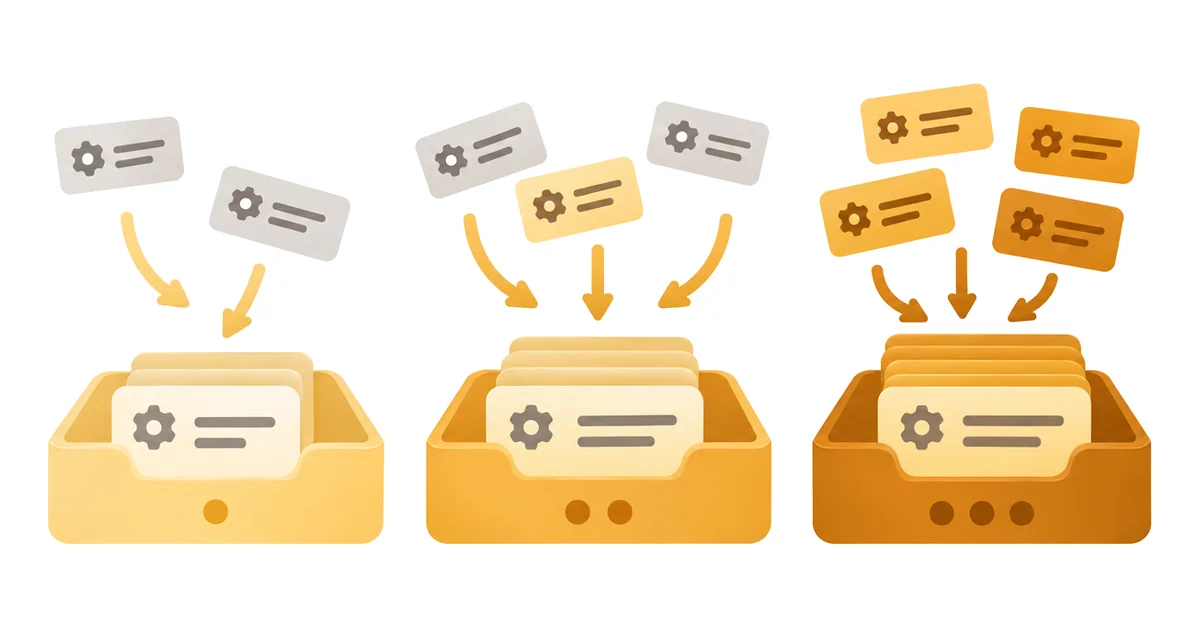
AI use case risk register with systems sorted into low, medium and high risk and an owner for each
AI impact assessment report listing affected groups, possible harms, safeguards and board sign-off

Client Feedback on Risk, Clarity and Honest Advice

Board Approval in 30 Days

“Our leadership needed a business case they could trust. WiseCrow built the roadmap, the budget and the risk controls in plain language. The board approved it in thirty days, and our account manager made every handoff with IT painless.”

EN
Elena NovakCFO, Manufacturing Group

1 Call Changed Our Plan

“I expected a sales pitch on the discovery call. Instead they asked sharp questions about our data and told us one project wasn’t worth doing yet. That honesty is why we hired them, and the work since has been thoughtful, fast and well documented.”

HB
Hannah BrooksHead of CX, Healthcare Network

3 Pilots, One Clear Winner

“Instead of chasing every AI idea, they scored three pilots against cost, risk and payback. The winner paid for itself within the first quarter. Their weekly updates were short and honest, and always told us exactly what was blocked and why.”

JP
Jonathan PierceCOO, Insurance Brokerage

Your AI Decisions Before and After an Ethics Program

What changes once principles come with tests, owners and records.

Before the Ethics Program

  • Principles on a slide, not in the workflow
  • No idea which AI systems are high risk
  • Outcomes never compared across groups
  • Declined customers get no real reason
  • Customer AI questionnaires answered from memory

After the Ethics Program

  • A risk check built into every release
  • Each AI use case triaged with an owner
  • Fairness tests before launch and after changes
  • Clear reasons and an appeal route for people
  • One record of assessments, tests and decisions

Benefits of AI Ethics Consulting for Your Business

What an outside view adds once AI starts making or shaping decisions about people.

People iconYou Treat Every Customer Group Fairly

Fairness tests show how outcomes differ across groups before customers feel the gap. When a difference appears, you learn where it comes from, such as skewed training data or a cutoff set too high, and how much a fix would change accuracy.

Results report iconYou Close Enterprise Deals With Less Friction

Large buyers and partners want proof that your AI is tested and overseen. A current inventory, impact assessments and test results turn a week of questionnaire work into a few hours, and your answers stay consistent across every deal.

Person iconYour Teams Know Who Decides What

Arguments about launching a sensitive feature often stall because nobody owns the call. A board with a charter and a decision log settles those questions quickly, and product teams know the bar before they start building.

Shield iconYou Meet New Rules From a Stronger Starting Point

Most AI rules and standards ask for the same core evidence: risk classification, documentation, human oversight and transparency. With those records in place, a new requirement usually means updating files you already have.
AI Ethics Consulting Pricing and Review Time Saved

Your project gets a fixed quote after a free discovery call and a use case inventory. The table counts only staff time: about 15 minutes per manual responsible AI task that templates, saved tests and one shared record take over, such as answering a customer’s AI questionnaire item or digging up how a model was checked. It leaves out the cost of an unfair decision reaching customers, which is usually far larger.

Manual AI ethics checks per weekHours back per weekHours back per yearValue per year
10 3 hrs130 hrs$5,200
25Usual starting project 6 hrs325 hrs$13,000
50 13 hrs650 hrs$26,000

What to Expect Before Your AI Ethics Review Starts

  • Open-ended reviews

    A Set Scope and Price

    Your quote names the systems, tests and documents included, and what they cost.

  • Abstract ethics debates

    Checks Tied to Real Decisions

    Each principle maps to a test, an owner and a threshold your team can apply.

  • Reviews that block every launch

    Effort Matched to Risk

    Low-risk tools get a short screening, so full reviews stay focused on high-stakes systems.

  • Legal promises

    Honest Framework Language

    Work is organized along known frameworks. Legal and certification calls stay with your advisers.

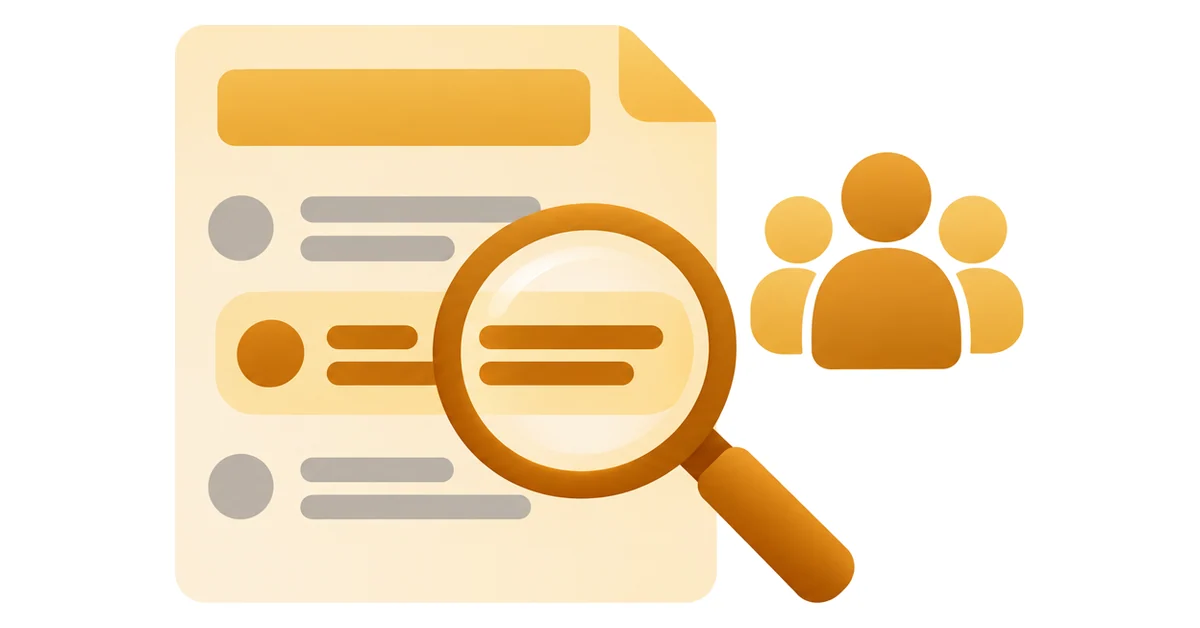
Fairness test results comparing approval rates across customer groups with one gap flagged for review

Bias and Fairness Testing on Your Own Data

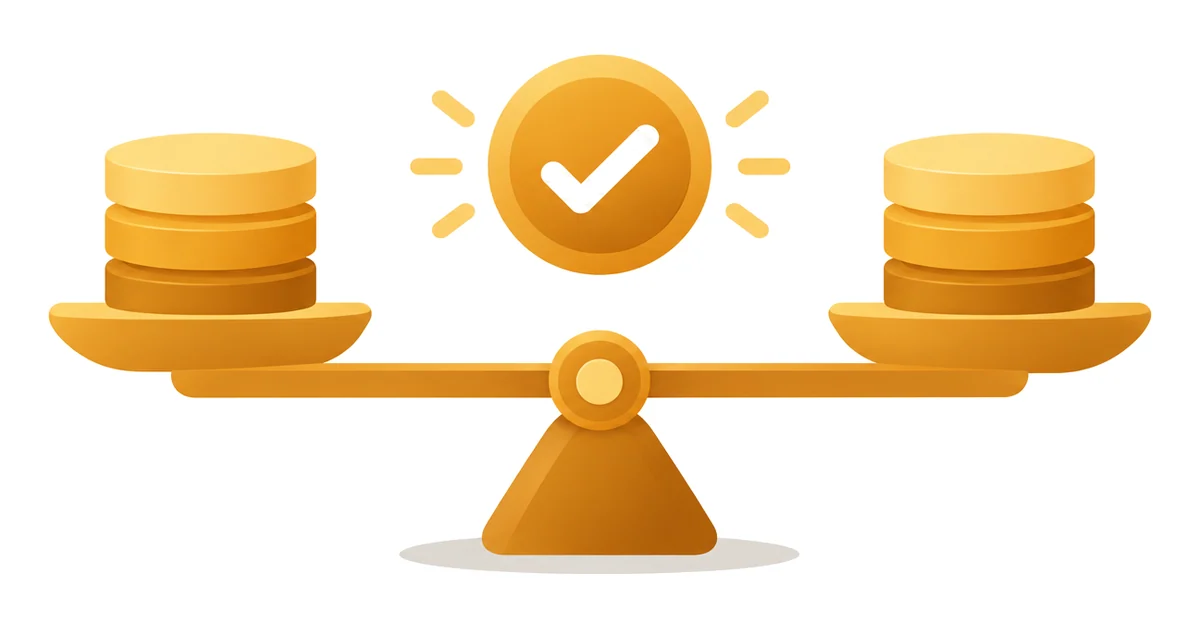
Fairness means different things for a loan decision, a job shortlist and a support chatbot, so the measures are chosen per use case and agreed with you first. Outcomes are then compared across the groups that matter, and every gap is traced back to its likely cause: the training data, a feature, a prompt or a cutoff.

Fixes are weighed openly, since closing one gap can cost some accuracy or shift another measure. You see those trade-offs in writing before the board decides. The test set stays with your team and runs again whenever the model, data or prompt changes.

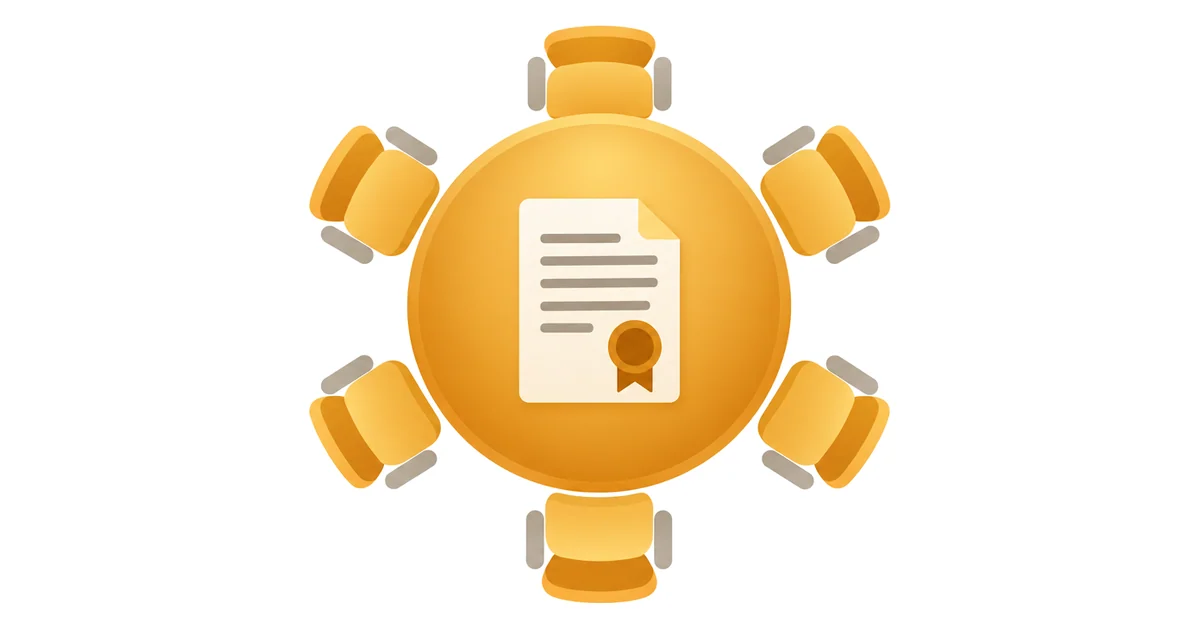
Governance board reviewing an AI impact assessment with a decision log, oversight rules and model documentation

Human Oversight, Governance and Records for Regulators

High-stakes decisions get a named reviewer, a clear point where a person can overrule the system and a route for customers to appeal. Your governance board gets a charter, a decision log and the power to pause a launch, so accountability has a clear home.

Every assessment, test and decision lands in one record. Model cards, data sheets and user notices are written in plain language, and the files can be laid out along the EU AI Act, the NIST AI RMF and ISO/IEC 42001. Your legal team and auditors get the evidence they need without a scramble.

AI Ethics Consulting for Your Industry

Where AI decisions affect people most, and the related services that support them.

Financial Services and Lending

Credit scoring, fraud flags and pricing models decide who gets access to money and on what terms. Ethics work focuses on fair outcomes across groups, clear reasons for adverse decisions and records examiners can follow. For the AI use cases behind those decisions, see financial services AI consulting.

Healthcare

Triage tools, risk scores and patient-facing chatbots touch care decisions, where an uneven error rate can mean missed diagnoses for some patients. Reviews check performance across patient groups and keep clinicians in charge of the final call. Learn more about healthcare AI consulting.

HR, Recruiting and Workforce Tools

Résumé screening and performance analytics can repeat past hiring patterns at scale. Testing covers outcomes by group, the data used to train each tool and what candidates are told. Rules on where that data comes from and who can use it belong to AI data governance consulting.

SaaS and Customer-Facing AI

AI features inside your product speak for your brand with every answer. Ethics reviews cover user notices, harmful or misleading output and clear escalation to a person. Attack testing and data leak checks for the same features sit with AI security consulting.

How to Choose an AI Ethics Consulting Partner

Plenty of firms can write a values statement. Far fewer can test a model for bias, design an appeal route and hand you records an auditor will accept. Before you sign, ask your AI ethics consulting partner to show you:

  • A risk triage method that scales review effort to potential harm
  • Hands-on fairness and explainability testing on real data
  • Impact assessment templates your teams can reuse
  • Work organized along the EU AI Act, NIST AI RMF or ISO/IEC 42001
  • A fixed quote and clear limits on legal and certification claims

Also ask what stays with you at the end. You should own the inventory, assessments, test sets, policies and board charter, so your teams can run the process on their own.

What You Can Count On From Your AI Ethics Partner

  • Price agreement icon

    Fixed Quote After Triage

    Scope and price are set once your use cases are ranked.

  • Coin icon

    Affordable, Best-in-Class Work

    Full-service, end-to-end ethics work sized to your AI portfolio.

  • Single point of contact icon

    Dedicated Account Manager

    One contact who tracks findings, fixes and board decisions.

  • Shield icon

    Careful Use of Sensitive Data

    Minimal data access for testing, documented use and NDAs on request.

Questions About AI Ethics Consulting

We Already Have AI Principles. Why Would We Need More?

Principles say what your company values. They don’t tell a product team what to test, who signs off or what to write down. AI ethics consulting turns each principle into concrete checks, thresholds and owners for every use case. A principle like “fair to every customer” becomes a named metric, a test before launch and a review date.

How Do You Test an AI System for Bias?

First, the groups that matter for the use case are agreed with you, along with the fairness measures that fit the decision. Outcomes are then compared across those groups on your real or representative data, and gaps are traced back to data, features, prompts or thresholds. Each gap gets a fix, a retest and a note in the documentation. Where group data is missing or sensitive, the method and its limits are written down openly.

Which AI Use Cases Need a Full Ethics Review?

Usually the ones that affect people’s money, health, jobs, housing, education or legal rights, plus anything that talks to customers in your name. Internal tools that draft text for a person to check often need only a short screening. Every use case gets a quick triage, so review effort goes where the harm could be real.

Will This Make Us Compliant with the EU AI Act?

No consulting project can promise that on its own. The work produces what the Act asks for in general terms: a risk class for each use case, technical documentation, human oversight and transparency for users. Parts of the Act have been phased in over time and some obligations have changed, so check the current status for your use cases. Compliance decisions stay with your legal team.

How Do NIST AI RMF and ISO/IEC 42001 Fit In?

Both give you a shared structure. The NIST AI RMF organizes risk work into govern, map, measure and manage, and ISO/IEC 42001 describes a management system for AI that can be certified. Your policies, reviews and records can be laid out along either one, so auditors and customers recognize them. Mapping to a framework guides the work. Certification is a separate decision made by an accredited auditor.

Does an Ethics Review Slow Down Our Product Launches?

Less than a late surprise does. Most of the time goes into the first review, when the checklist, test set and templates get built. After that, a new feature runs through a short, repeatable check during development. Low-risk changes often clear it in a day or two, and only high-risk ones go to the full board.

Who Should Sit on an AI Governance Board?

A small group that can say yes or no: someone from product or engineering, legal or compliance, security or data, and a business owner who answers for the outcome. Some companies add HR or a customer advocate. The board needs a clear charter, a decision log and the power to pause a launch.

How Much Does AI Ethics Consulting Cost?

The fee depends on how many use cases are in scope, how many are high risk and how much testing, training and ongoing review you want. You get a cost range on your free discovery call and a fixed quote after the use case inventory. Many companies start with one high-risk system and a short policy, then expand.

What Happens If a Review Finds a Serious Problem?

You hear about it right away, with the evidence and the people likely to be affected. Short-term options come first, such as adding human review, narrowing the use case or pausing a feature. The lasting fix, a retest and an updated record follow, and your account manager keeps the item open until the board signs it off.

Put Your Responsible AI Principles Into Practice

Get a free review of your AI use cases and a clear plan for the highest-risk systems first.

Talk to an Expert for Free

Set Up Your Free Intro Call

Your name is required.
Please use a valid email.
A short subject helps us route your message.
Tell us briefly what you want to achieve.