Should We Build Our Own Model or Call an API?
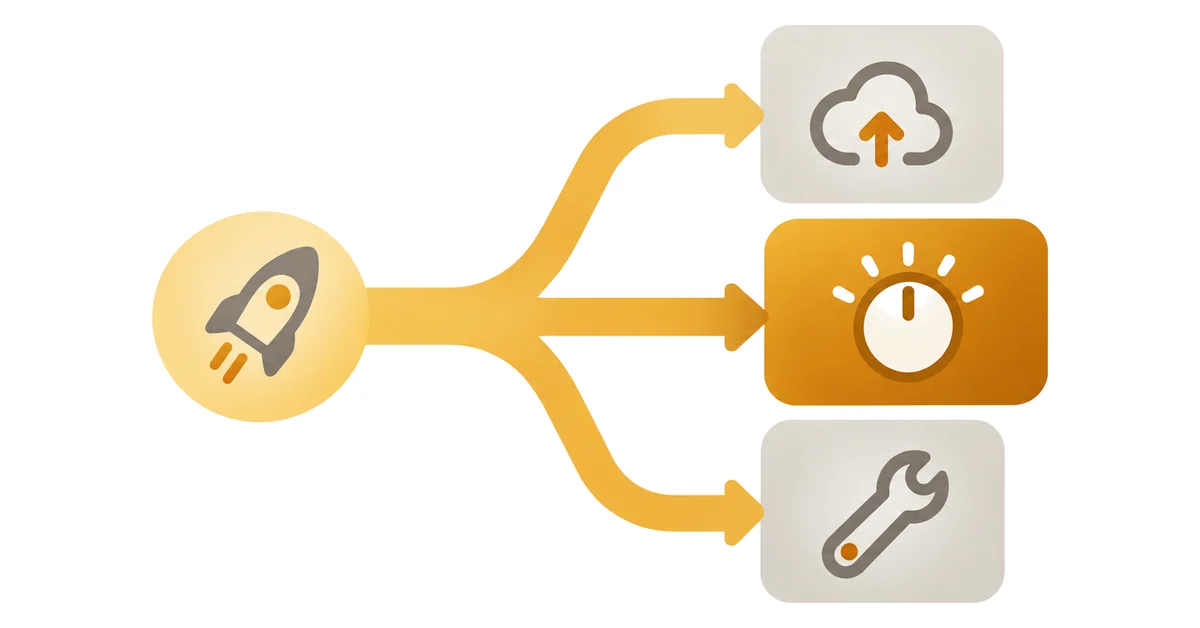
Most startups should start with a hosted model API. It gets a feature in front of users in weeks, and usage data tells you what the feature really needs. Fine-tuning makes sense once you have a narrow task, a few thousand good examples and a cost or quality gap the base model can’t close. Training your own model is rare at seed stage and only pays when your data is the moat and your volume makes it cheaper. You see each option costed at today’s usage and at ten times that before you choose.
How Do You Estimate What an AI Feature Will Cost Us at Scale?
Each feature gets a cost-per-call model: tokens in and out, retries, retrieval lookups and any second model that checks the first. That number is mapped to how often a typical user triggers the feature, then compared with what the user pays. Caching, shorter prompts and routing easy requests to a smaller model usually cut the bill without users noticing. You get the model as a spreadsheet your finance lead can update.
How Do We Know an AI Feature Is Good Enough to Ship?
You build an evaluation set from real inputs, including the messy ones, and agree on what a pass looks like with your product lead. Every prompt change or model swap runs against that set before release. Scores are tracked over time, so a quality drop shows up in a pull request and never reaches users first. Human review covers the cases a score can’t judge, like tone or a risky answer.
What Will Investors Ask About Our AI?
Expect questions on defensibility, dependency on one model provider, rights to the data you train or ground on, the cost curve as usage grows and how you handle wrong or harmful outputs. You get a short written account of each, backed by your own numbers. Founders tend to answer these better in a pitch once the work behind them is done, since the answers come from real decisions.
How Do We Answer Enterprise Security Questionnaires About AI?
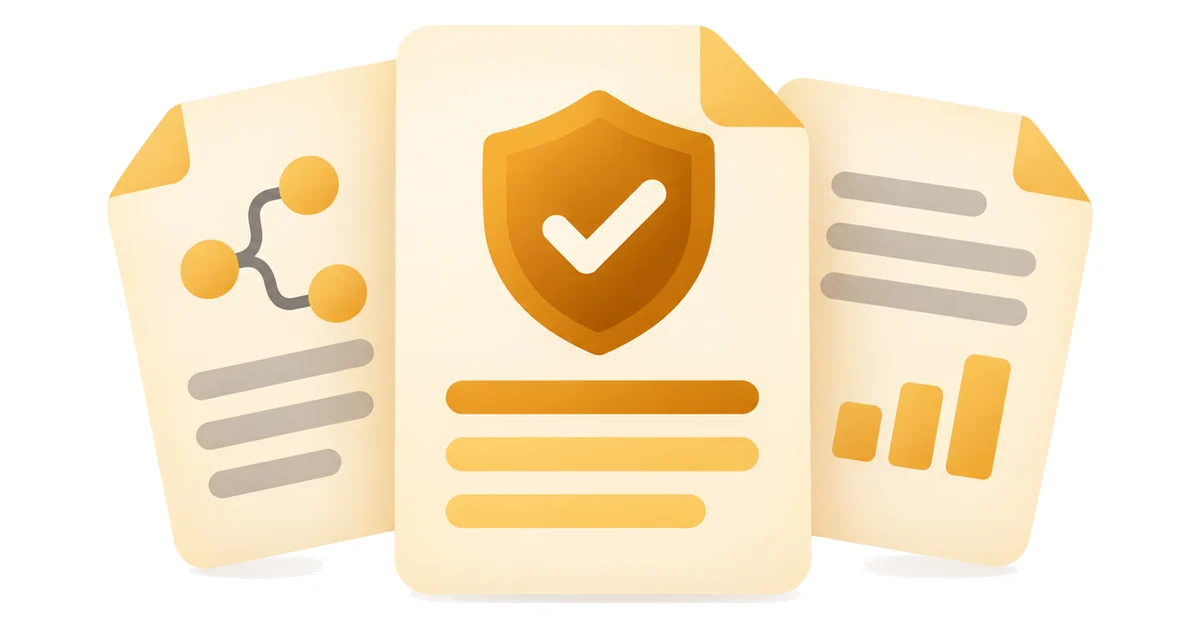
Buyers want to know where prompts and outputs go, if a provider can train on their data, how long anything is kept, who can see logs and how you test for prompt injection. Those answers get documented once, with a data flow diagram, and kept current as your stack changes. Your sales team then reuses the same pack for every deal. NDAs are available on request.
Our Team Is Two Engineers. Can You Work with a Team That Small?
Yes. Small teams are the usual case. You can choose done-with-you work, where a consultant pairs with your engineers and reviews their code, or done-for-you work, where a feature or workflow is built and handed over. All code, prompts and evaluation sets live in your repositories from day one, so nothing depends on outside access later.
How Do We Move Fast Without Piling Up Technical Debt?
Keep a few habits from the start: one thin layer between your code and any model provider, prompts stored and versioned like code, evaluations in your CI pipeline, and logs of every model call with cost and latency. Those cost little to set up and save weeks later. Heavy platform work, like a custom serving stack, waits until your volume justifies it.
How Much Does AI Consulting for Startups Cost?
It depends on scope: one feature review, a full build or ongoing support. You get a cost range on the free discovery call and a fixed quote after the product and stack review. First projects are scoped tight to fit a startup runway. Model API and cloud costs are listed separately, so you see your monthly run rate before you commit.
Can You Also Automate Our Internal Operations?
Yes. Lean teams get a lot back from AI in support triage, sales research, customer onboarding, recruiting admin and finance tasks like invoice matching. Those workflows connect to the tools you already run, such as your helpdesk, CRM and accounting software. The aim is to grow revenue without growing headcount at the same pace.
Who Owns the Code, Prompts and Evaluation Data?
You do. Everything is built in your accounts and repositories, with documentation your next hire can follow. If you want ongoing help, your dedicated account manager reviews cost, quality and latency each month and flags what to fix next, with support in 5+ languages for teams spread across countries.

 You ship with numbers




 Your Team Stays Small Longer