Skip navigation

AI Data Strategy Consulting

Get the data behind your AI use cases found, cleaned, connected and owned, in an order that matches what you want to build first. You start with a free discovery call and strategy session.

Talk to an Expert for Free
  • Your savings, estimated first
  • No commitment
  • Same-day reply
Trusted in 7 sectors
  • HALVERTON
  • KestrelGROUP
  • norvane
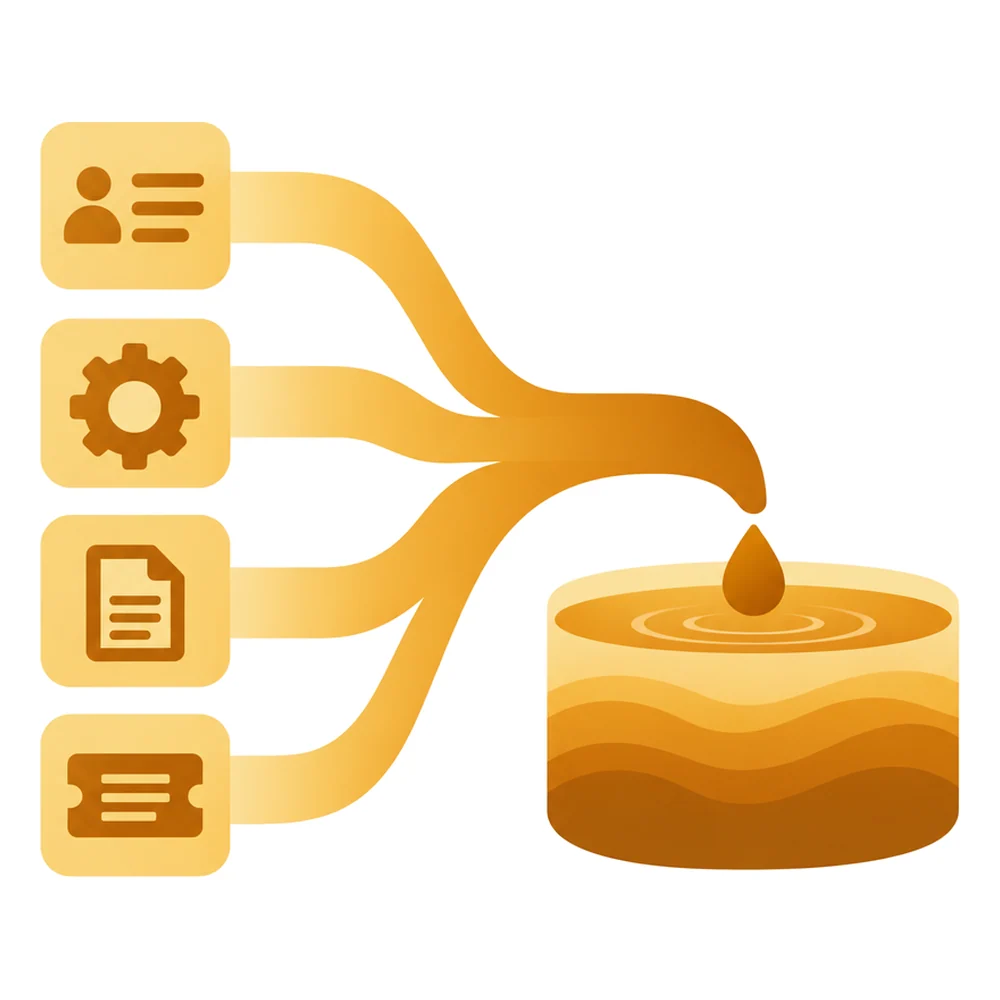
AI data strategy map linking CRM, ERP, documents and support tickets through a cleaned data layer to ranked AI use cases
  • Full-service, end-to-end AI consulting
  • 150+ AI use cases scoped
  • 60+ AI agents and workflows built
  • 80+ readiness assessments
  • Trusted in 7 sectors
  • Free discovery call and strategy session
  • One named contact person
  • Multilingual support

What Is AI Data Strategy Consulting?

AI data strategy consulting is a service that prepares your company’s data for the AI you plan to use. You get an inventory of the data each use case needs, a check of its quality and access, an architecture that fits, clear owners and a ranked roadmap of data work tied to business results.

How an AI Data Strategy Comes Together

  1. Use cases set the scopeYour top AI ideas decide which data matters, so the work skips tables and folders no use case will touch.
  2. Data gets inventoriedEvery source a use case needs is listed with its system, owner, format, volume and how often it changes.
  3. Quality gets measuredReal samples are profiled for gaps, duplicates, stale records and fields that disagree between systems.
  4. Architecture gets designedPipelines, a warehouse or lakehouse and any vector store are planned around the use cases, with access rules built in.
  5. Result checkmark iconYou fix data in the right orderA ranked roadmap shows which data work unblocks which use case, with owners and cost ranges for each step.

What AI Data Strategy Consultants Actually Do

The work starts from the AI you want and traces back to every record and document it will depend on.

  • Data inventory and readiness scoring
  • Data quality profiling and fixes
  • Warehouse, lakehouse and vector store design
  • Access, permissions and ownership
  • Unstructured data preparation
  • Metadata, lineage and data roadmap

What Messy Data Costs Your AI Projects

A model can’t tell a current record from a stale one. When the data underneath is scattered, duplicated or unowned, every AI project inherits the problem, and the bill shows up mid-build.

  • Hourglass icon1.

    Engineers Stuck Cleaning Data

    Your data team spends most of a project matching customer IDs and fixing date formats, so the model work starts weeks late.

    Real costSlow Delivery

    Build time lost to data cleanup

  • Warning icon2.

    Answers Built on Outdated Files

    An assistant pulls from an old price list or a retired policy because nobody removed it, and staff pass the wrong answer on to customers.

    Real costWrong Answers

    Errors that reach clients before anyone notices

  • Shield icon3.

    Permissions Lost in the Copy

    Data gets exported to a new store for AI and the original access rules stay behind, so restricted records become searchable.

    Real costExposure Risk

    Sensitive data in front of the wrong people

  • Team skills icon4.

    Nobody Owns the Numbers

    Sales and finance each keep their own revenue figure, and when a model disagrees with one of them nobody can say which is right.

    Real costStalled Decisions

    Meetings spent arguing over figures

AI Data Strategy Consulting Tied to Real Use Cases

Company-wide data cleanup projects tend to run for a year and deliver little anyone can point to. Your data strategy starts narrower: the two or three AI use cases with the best payback, and the exact data each one needs to work.

From there the plan widens on purpose. Shared fixes, like one customer ID across systems or one place for approved documents, get built once and reused by the next use case. Each step on your roadmap names the use case it unblocks, so data spending always has a business reason next to it.

What Your Data Strategy Includes

  • A data inventory mapped to each AI use case
  • Quality scores from profiled data samples
  • An architecture with access rules built in
  • A ranked roadmap with owners and cost ranges

Why Your Data Decides How Far Your AI Goes

Models are easy to swap. Your data stays. Clean, connected and well-labeled data makes every later use case cheaper, since the hard groundwork is already done. Fix the data behind your first use case properly, then reuse it for the next one.

Right for You If You Want To

  • Target iconKnow which AI ideas your data supports today
  • Fast response iconStart builds with data that’s already cleaned and connected
  • Shield iconKeep access rules intact when data moves to AI systems
  • Team skills iconGive every key dataset a clear business owner
  • Results report iconTrace any AI answer back to its source data
  • Progress chart iconReuse the same data foundation for each new use case

Your AI Data Strategy Engagement, Step by Step

  1. Step 1

    Free Discovery Call

    You share the AI use cases on your list and the systems your data lives in today. Your consultant asks about data volumes, known quality issues and who looks after each source, then flags the likely blockers.

    A written recap and budget range follow

    A short scope note your data, IT and business leads can review together.

  2. Step 2

    Data Inventory and Readiness Check

    Sources for each use case are mapped and sampled. Quality, access, permissions and ownership get checked, and unstructured content like documents and tickets is reviewed for duplicates, versions and sensitive details.

    You get a readiness rating per use case

    Each rating with the evidence behind it and the fixes that would raise it.

  3. Step 3

    Architecture and Roadmap

    A target architecture is drawn around your existing platforms, covering pipelines, storage, retrieval and access. Data fixes are then ranked by the use cases they unblock and the effort involved.

    You get a data roadmap and a fixed quote

    Owners, order and cost ranges for each step, plus one price if you want help building it.

  4. Ongoing

    Build, Monitor and Extend

    Pipelines, quality checks and document processing go live, done for you or done with you. Your account manager tracks data quality and adds the next use case’s data needs to the plan.

    You get monthly data quality reports

    Freshness, completeness and failed checks per source, so issues surface before a model uses them.

What’s Included in AI Data Strategy Consulting

Start with a readiness check for one use case or plan the full data foundation for your AI program.

  • A Data Inventory Built Around Use Cases

    Every source your AI ideas need, with owner, format, volume and update frequency.

  • Data Quality Profiling

    Samples scored for completeness, accuracy, freshness and consistency between systems.

  • Warehouse, Lakehouse and Vector Stores

    An architecture for structured data and retrieval that builds on platforms you own.

  • Access, Permissions and Ownership

    Who may use which data, carried into AI systems, with a named owner per dataset.

  • Unstructured Data Made Usable

    Documents, emails and tickets deduplicated, tagged and prepared for search and RAG.

  • Metadata, Lineage and a Data Roadmap

    Clear definitions, traceable sources and fixes ranked by the use cases they serve.

AI Use Cases Scoped150+
Governance and Security Reviews50+
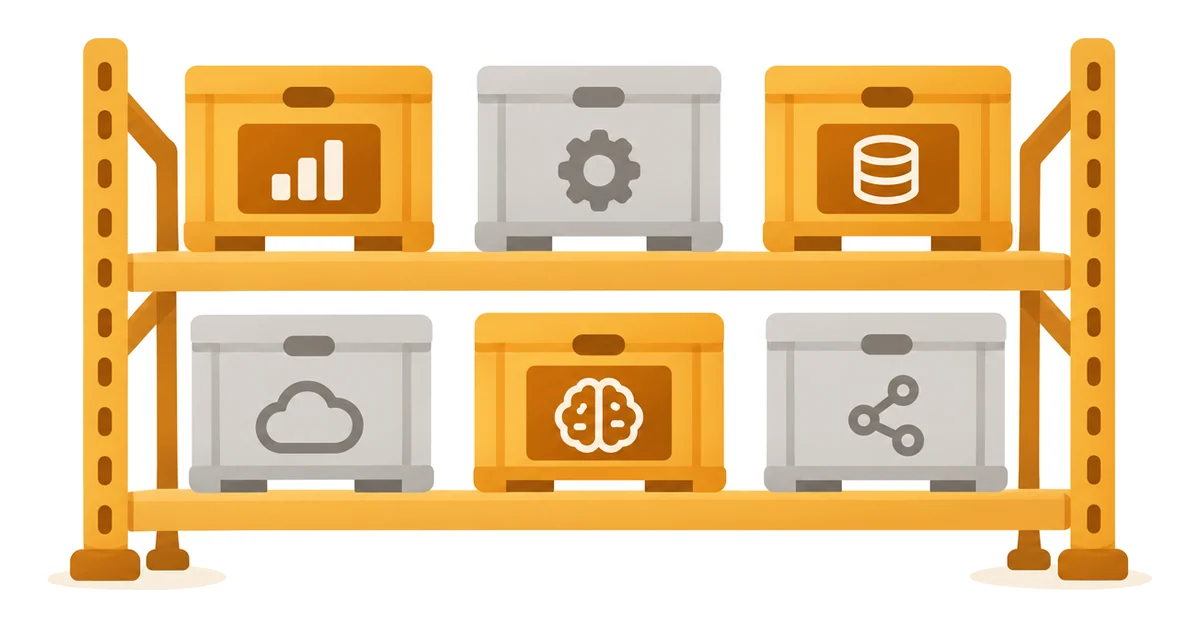
Data inventory map linking CRM, ERP, file shares and ticket systems to the AI use cases that depend on them
AI data roadmap ranking data fixes by the use cases they unblock, with owners and effort for each step

What Clients Say About Their Data and AI Work

Live in Production in 9 Weeks

“We had a pilot that never left the sandbox. WiseCrow rebuilt the data pipeline, set up monitoring and gave our engineers clear ownership. Nine weeks later it was running in production, and they still review performance with us every month.”

PR
Priya RamanVP of Engineering, SaaS Platform

1 Call Changed Our Plan

“I expected a sales pitch on the discovery call. Instead they asked sharp questions about our data and told us one project wasn’t worth doing yet. That honesty is why we hired them, and the work since has been thoughtful, fast and well documented.”

HB
Hannah BrooksHead of CX, Healthcare Network

3 Pilots, One Clear Winner

“Instead of chasing every AI idea, they scored three pilots against cost, risk and payback. The winner paid for itself within the first quarter. Their weekly updates were short and honest, and always told us exactly what was blocked and why.”

JP
Jonathan PierceCOO, Insurance Brokerage

Your Data Before and After an AI Data Strategy

How the groundwork for AI changes once data is mapped, owned and ranked.

Before the Data Strategy

  • Data spread across systems nobody has mapped
  • Quality problems found halfway through a build
  • Old document versions mixed in with current ones
  • Access rules lost when data is copied
  • No owner to settle conflicting numbers

After the Data Strategy

  • Each use case linked to the sources it needs
  • Quality measured on samples before work starts
  • One approved, tagged set of documents for AI
  • Permissions carried into every AI data store
  • A named owner and steward for each key dataset

Benefits of AI Data Strategy Consulting for Your Business

What changes when data work follows your AI plans.

Fast response iconYour AI Builds Start Faster

Data problems found during a build stop the project while engineers dig in. Found in advance, they become a planned step with an owner, and the build team starts on data that’s already been checked.

Target iconYour Data Budget Goes Where It Pays

Cleaning every table in the company costs a fortune and takes years. Tying each fix to a use case keeps spend on the data that will feed a model or an assistant in the next few months.

Chart iconYou Can Explain Every AI Answer

Metadata and lineage let anyone trace a figure or a quoted passage back to the system and record it came from. Your team fixes errors at the source, and auditors get a clear trail.

Plug iconEach New Use Case Costs Less

Shared definitions, a single customer ID and one approved document set get built once. The second and third use cases reuse that groundwork and spend their budget on the parts that are new.

AI Data Strategy Consulting Pricing and Value

Your engagement gets a fixed quote after the free discovery call. A data strategy pays back mostly through faster, safer AI projects, which differ too much between companies to put in one table. The table shows a narrower return: staff time won back when routine data work, like looking up a field’s meaning, reconciling two reports or fixing a broken export, gets handled by clean pipelines and clear definitions. It assumes about 15 minutes per task, valued at $60 an hour. Your assessment replaces those figures with your own.

Data lookups and fixes per weekHours back per weekHours back per yearValue per year
20 5 hrs260 hrs$15,600
50Usual starting project 13 hrs650 hrs$39,000
120 30 hrs1,560 hrs$93,600

How Your AI Data Strategy Work Begins

  • Cleanup projects with no end

    Scope Set by Your Use Cases

    Only the data your chosen AI ideas need is in scope, so the work has a clear finish line.

  • Platform sales pitches

    Your Current Stack Comes First

    If the warehouse or file store you already pay for can do the job, the plan builds on it.

  • Ratings based on interviews alone

    Real Samples Checked

    Quality scores come from profiling actual records and documents, so every finding can be verified.

  • Open-ended billing

    A Fixed Quote Up Front

    You know the price before work starts, with platform and license costs listed separately.

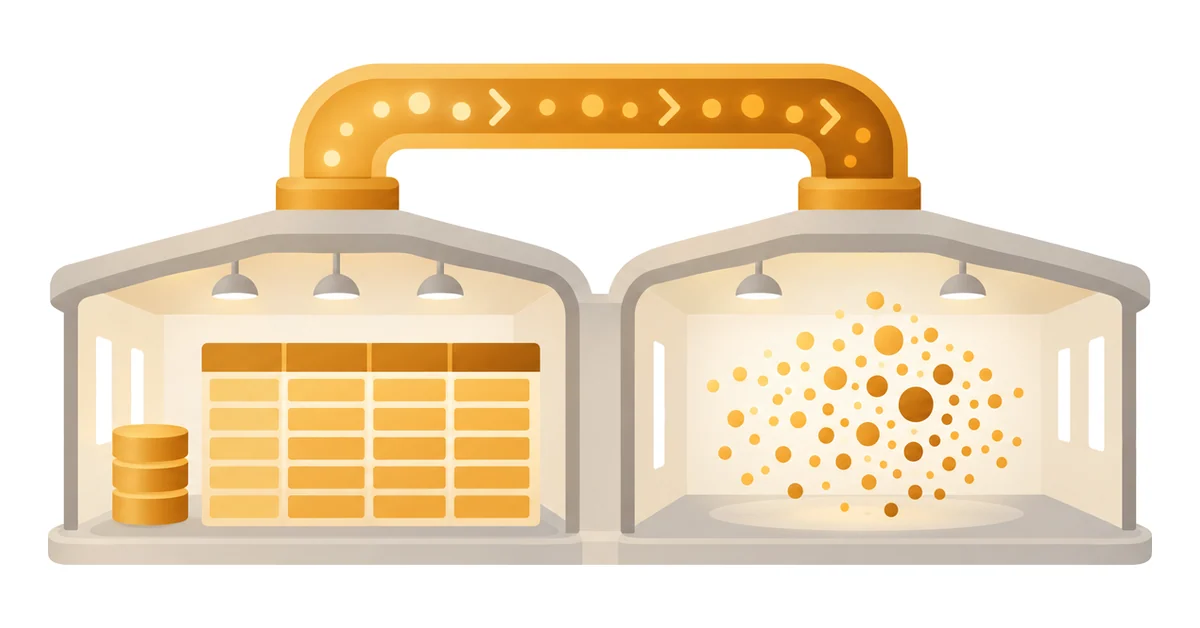
Data architecture with source systems feeding a lakehouse for structured data and a vector store for document retrieval

A Data Architecture for Both Analytics and Retrieval

Predictive models and dashboards need structured, historical data in a warehouse or lakehouse. Assistants that answer from your documents need a retrieval layer, often a vector store, kept in sync with the source files. Most AI programs end up needing both, fed by the same pipelines.

The design maps which data lands where, how often it refreshes and which transformations happen on the way. Existing platforms are reused where they fit, and any new component comes with a plain reason, its running cost and what it would take to replace later.

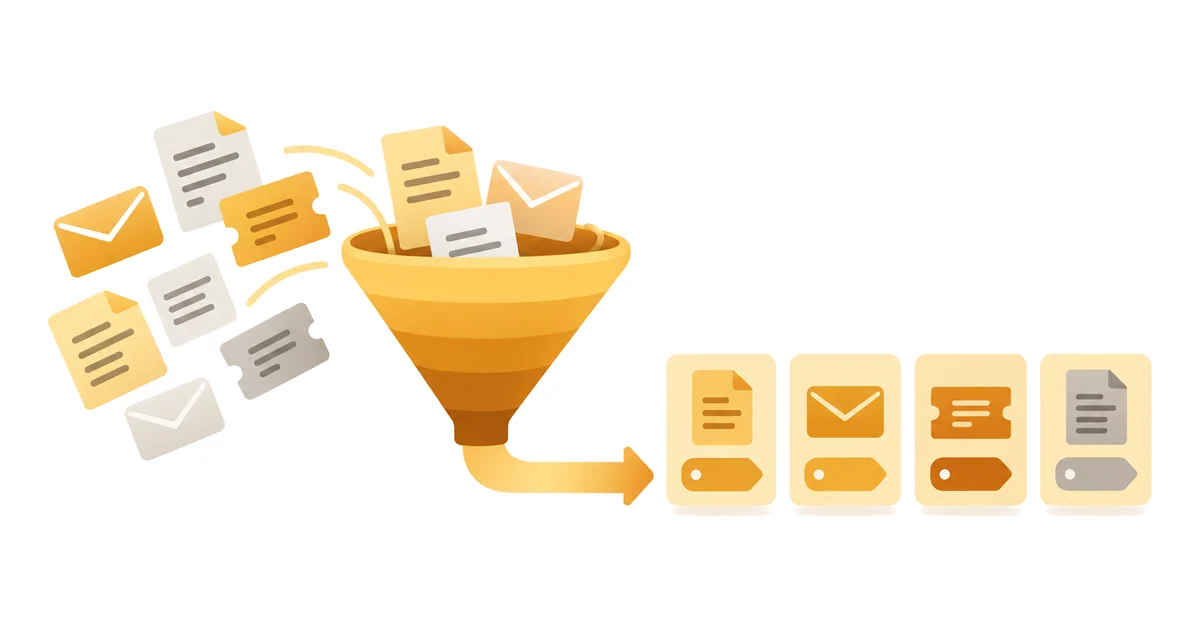
Pipeline turning contracts, emails and support tickets into deduplicated, tagged and permission-aware text chunks for AI search

Unstructured Data Prepared With Metadata, Lineage and Permissions

Contracts, emails, wiki pages and support tickets hold much of what your staff know. Before AI reads them, outdated versions are retired, text is extracted from scans and PDFs, and each item gets tagged with its source, owner, date, sensitivity and who may open it.

Those tags travel with every chunk into the search index, so an assistant only returns passages the user could already open. Lineage records which source file and pipeline step produced each chunk. When a document changes or gets withdrawn, the index updates, and a wrong answer can be traced back to its origin.

AI Data Strategy Consulting for Your Industry

Where data groundwork matters most in each sector, and the services that build on it.

Financial Services and Insurance

Customer, policy and transaction data often sit in core systems decades old, with strict rules on retention and audit. Lineage from source to model output comes first. For sector-specific use cases like claims, fraud and KYC, see financial services AI consulting.

Healthcare

Clinical notes, scheduling and billing data live in separate systems under tight privacy rules. Sensitive fields get flagged and access mapped before any AI pipeline is designed. Formal policies for classification, consent and retention come from AI data governance consulting.

SaaS and Software

Product usage events, support tickets and billing data make strong inputs for churn models and in-app assistants, once they share one customer ID. When the pipelines and vector stores need production hosting, AI infrastructure consulting sizes and runs them.

Professional Services and B2B

Years of proposals, contracts and project files hold valuable know-how, mixed with client material that only some staff may see. Cleaning and tagging that archive comes first. Company-wide assistants built on it are planned through enterprise generative AI consulting.
How to Choose an AI Data Strategy Consulting Partner

Many firms can draw a data architecture diagram. Fewer can tie every box on it to an AI use case and a budget line. Before you sign, ask your AI data strategy consulting partner to show you:

  • A method that starts from use cases and traces back to data
  • Quality findings based on profiled samples of your data
  • Experience with documents, emails and tickets as well as tables
  • A plan for carrying permissions into AI data stores
  • A roadmap with owners, order and cost ranges for each step

Also ask what happens to the inventory, definitions and lineage after the engagement. They should live in tools your team controls, so the knowledge stays with you.

What You Can Count On From Your AI Data Strategy Partner

  • Price agreement icon

    Fixed Quote Before Work Starts

    One price for the engagement, with platform costs shown apart.

  • Coin icon

    Affordable, Best-in-Class Work

    Full-service, end-to-end consulting scoped to your first use cases.

  • Single point of contact icon

    Dedicated Account Manager

    One contact for your data, IT and business teams.

  • Shield icon

    Read-Only, Need-to-Know Access

    Samples reviewed in your environment where possible, NDAs on request.

Questions About AI Data Strategy Consulting

How Is AI Data Strategy Different from Data Governance?

Data strategy decides which data your AI use cases need, where it should live, how it gets cleaned and connected, and in what order the work happens. Governance sets the standing rules around it: who owns each dataset, who may use it, how long it’s kept and how decisions get approved. A data strategy includes the governance basics a first use case needs. A full governance program goes further and covers every dataset in the company.

Do We Need a Data Warehouse or Lakehouse Before We Start with AI?

Not always. Plenty of first use cases run on one or two source systems with a clean extract and a small pipeline. A central warehouse or lakehouse starts to pay off once several use cases need the same customer, product or finance data, or once teams keep rebuilding the same joins. The architecture review shows which point you’ve reached, and what you already own can often be extended.

Can AI Use Our Documents, Emails and Support Tickets?

Yes, and for many companies that unstructured data holds the most value. It needs work first: duplicates and outdated versions removed, text pulled cleanly from PDFs and scans, sensitive details flagged, and each item tagged with its source, date and access rights. Only then does it go into search indexes or a vector store for retrieval-augmented generation, where the AI looks up passages before it answers.

How Do You Judge If Our Data Is Ready for a Specific Use Case?

Each use case is checked against the data it depends on. Real samples are tested for completeness, accuracy, freshness and consistency between systems. Access is checked too: can the data be reached through an API or export, and is the use allowed under your contracts and privacy terms? The result is a readiness rating per use case with the exact fixes that would raise it.

Who Should Own Our Data?

Each key dataset needs a named business owner, usually the leader of the team that creates or relies on it, plus a technical steward who looks after quality and pipelines. IT rarely makes a good sole owner, because it can’t judge if a customer record is correct. Ownership gets assigned during the engagement, starting with the datasets your first use cases touch.

Why Do Metadata and Lineage Matter for AI?

Metadata tells people and systems what a field means, where it came from and how fresh it is. Lineage traces each number or document back through every pipeline step to its source. When an AI answer looks wrong, lineage shows in minutes which source or transformation caused it. It also helps you show auditors and customers what data a model was built on.

How Long Does an AI Data Strategy Engagement Take?

It depends on the number of use cases in scope, how many source systems are involved and how quickly access to data samples can be arranged. You get a timeline after the discovery call, before any work begins. A focused scope around two or three use cases moves faster than a company-wide data review.

How Much Does AI Data Strategy Consulting Cost?

Cost depends on the number of use cases, data sources and systems to review, and on how much you want built versus planned. You get a cost range on your free discovery call and a fixed quote before work starts. Any platform or license costs in your roadmap are listed on their own line, so you see the running cost before you commit.

How Is Sensitive Data Handled During the Project?

Access is read-only wherever possible and limited to the samples the assessment needs. Personal and confidential fields are profiled inside your environment when your setup allows it, and NDAs are available on request. The plan itself maps where sensitive data sits, which use cases may touch it and what masking or permission rules apply.

Can You Help Build What the Roadmap Recommends?

Yes. Delivery is available done for you or done with you, from pipelines and data quality checks to document processing and vector store setup. You can also hand the roadmap to your own engineers or another partner. Either way, you keep the documentation, and your dedicated account manager stays your contact, with support in 5+ languages.

Get Your Data Ready for the AI You Want

Get a free data review and a clear plan for the data behind your first use cases.

Talk to an Expert for Free

Set Up Your Free Intro Call

Your name is required.
Please use a valid email.
A short subject helps us route your message.
Tell us briefly what you want to achieve.