What Should an Online Store Automate with AI First?
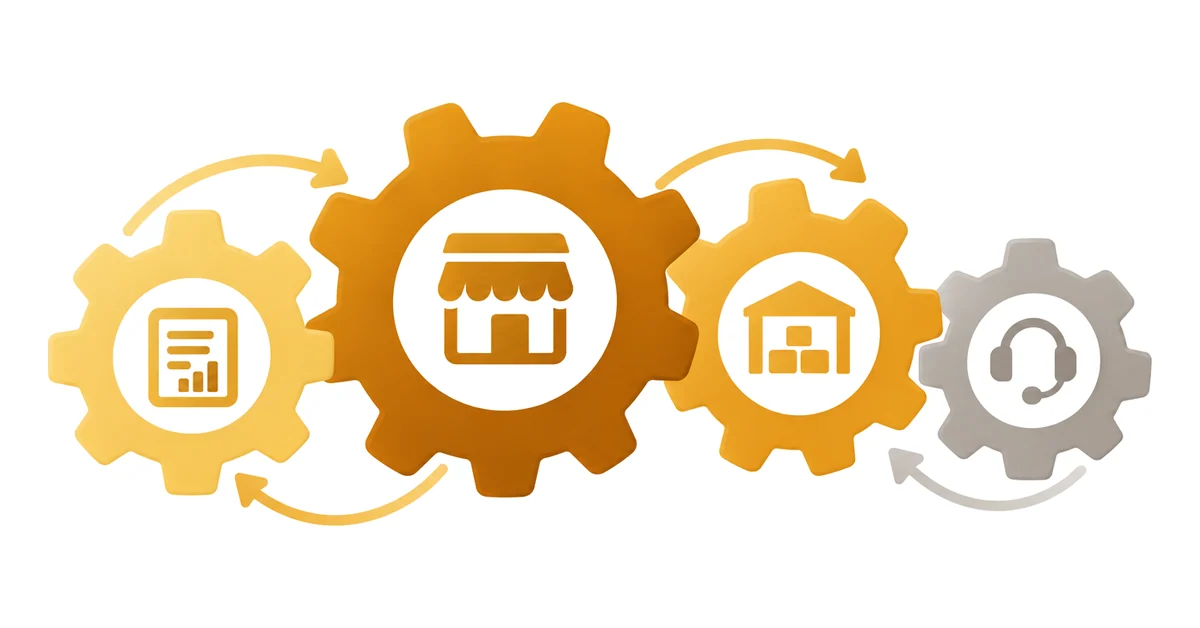
Look at the questions and tasks that repeat with every order. For most stores that’s “where is my order” and return requests, product copy and attributes for new SKUs, and the manual hand-offs between the store, the 3PL and the helpdesk. Each one has a clear count you can track, like tickets per week or hours spent on listings. Your assessment ranks every idea by margin impact, data readiness and effort, so the first project fits a small team and pays back early.
We Run on Shopify. Does That Limit What AI Can Do?
Not much. Shopify, BigCommerce, Adobe Commerce, WooCommerce and Amazon Seller Central all expose orders, products, customers and inventory through APIs, and most helpdesk, email and search apps plug into them. Work is often a mix of apps you already pay for, set up properly, plus small custom workflows where an app falls short. Your app stack is reviewed first, so you don’t end up paying twice for the same feature.
Will an AI Support Assistant Upset Our Customers?
It can, if it guesses. A well-built assistant looks up the real order, tracking and return status before it answers, follows your written policies and hands the chat to a person when the shopper is upset, the order is high value or the answer isn’t clear. Refunds and exceptions stay with your team unless you set limits that allow small ones to go through. You read sample conversations and approve the tone before launch.
Can AI Write Our Product Descriptions Without Hurting SEO?
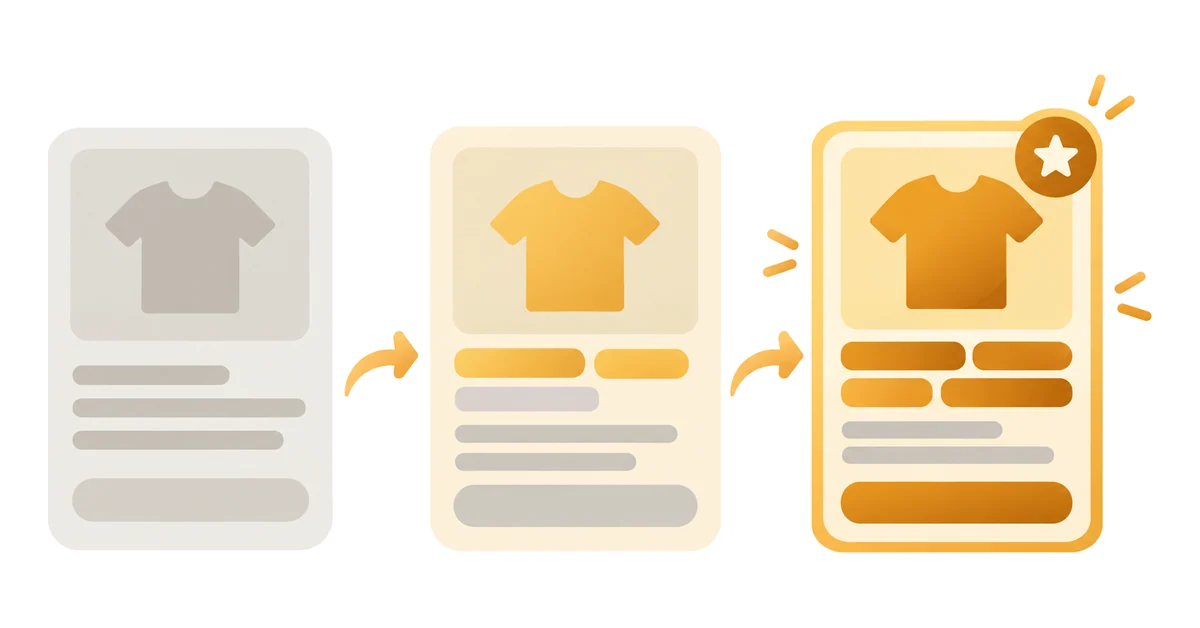
Yes, when it works from your real product data and a person checks the output. AI drafts titles, descriptions, attributes and alt text from spec sheets, supplier files and your brand voice guide. Each draft gets checked for accuracy, duplicate text across variants and claims you can’t back up. Feeds for Google Merchant Center and marketplaces get filled from the same approved data, so every channel shows matching details.
Is Our Order History Big Enough for Forecasting?
For many stores it is, as long as there’s a year or more of order and stock data. Small catalogs with steady sellers can start with simple reorder suggestions. Brands with heavy promotions, long supplier lead times or many new launches need extra care, because past sales don’t show what would have sold when an item was out of stock. The assessment tells you honestly which approach your data supports.
How Do You Handle Customer Data for Email and SMS?
Segmentation and personalization only use data your customers agreed to share, and each workflow comes with a data map showing which fields it reads and where they go. Opt-outs and consent flags from your email and SMS platforms are respected in every audience. Rules on marketing messages differ by country and state, so your legal team should confirm the setup, and nothing on this page counts as legal advice.
How Much Does Ecommerce AI Consulting Cost?
It depends on how many workflows are in scope, which platforms and apps are involved and how much review each step needs. You get a realistic cost range on your free discovery call and a fixed quote after the assessment, with no hidden extras. First projects are usually sized for one clear problem, such as order status tickets or catalog enrichment, so results show up before you expand.
Can You Help If We Sell on Amazon and Our Own Site?
Yes. Many brands run a DTC store next to Amazon and other marketplaces, and those channels need the same product data, stock levels and pricing rules. Workflows can keep listings, inventory and feeds in step across channels, and flag gaps such as a listing that shows stock your 3PL doesn’t have. Each marketplace has its own content and pricing rules, and those are built in as limits.
How Will We Know If the AI Is Working?
Before launch, a baseline is recorded for every workflow, like tickets per 100 orders, first response time, return rate by reason, listing time per SKU or search exits. After go-live, the same numbers are tracked each month. Where traffic allows, features like search ranking or product recommendations are A/B tested, and the result reflects the change itself, separate from a lucky promo or a viral post.
What Happens Before Black Friday and Other Peaks?
Changes are frozen well before your busiest weeks, so nothing new goes live while order volume spikes. Your account manager checks assistant answers, return rules, stock alerts and promo logic ahead of peak and adjusts them for holiday shipping cutoffs and gift returns. Support is available in 5+ languages if you sell to shoppers abroad, and every workflow comes with documentation your team can use when things get busy.

 Your store runs leaner


 You Protect Margin on Every Order
 You Grow Without Growing the Team as Fast