Skip navigation

Agentic AI Consulting

Hand multi-step work to AI agents that plan, use your tools and ask before they take risky actions. You start with a free discovery call and strategy session.

Talk to an Expert for Free
  • Your savings, estimated first
  • No commitment
  • Same-day reply
Trusted in 7 sectors
  • HALVERTON
  • KestrelGROUP
  • norvane
AI agent planning a task, calling CRM, ticketing and finance tools, and pausing for a human approval step
  • Full-service, end-to-end AI consulting
  • 150+ AI use cases scoped
  • 60+ AI agents and workflows built
  • 80+ readiness assessments
  • Trusted in 7 sectors
  • Free discovery call and strategy session
  • One named contact person
  • Multilingual support

What Is Agentic AI Consulting?

Agentic AI consulting is a service that helps you design, build and run AI agents: software that gets a goal, breaks it into steps, uses your business tools to carry them out and checks its own progress. You get agents with clear jobs, tight permissions and a person in the loop wherever an action carries real risk.

How an AI Agent Completes a Task From Start to Finish

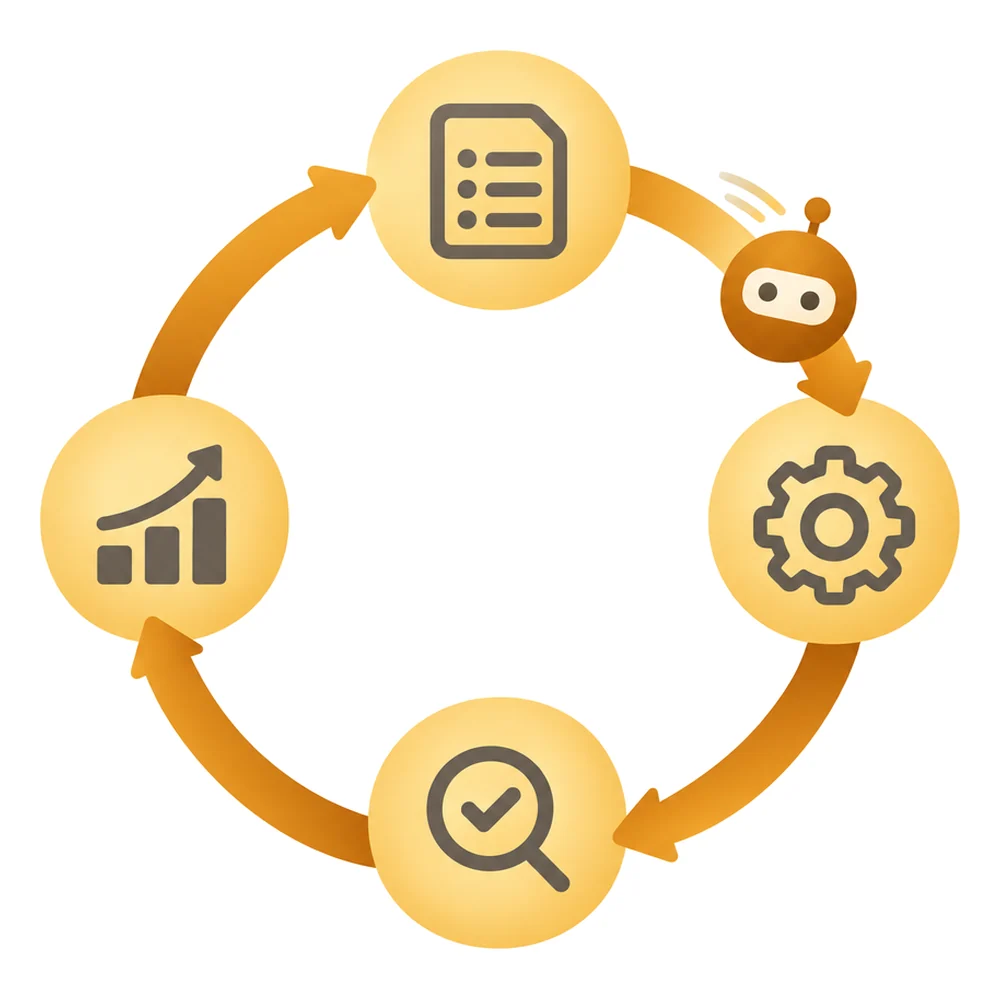
  1. The agent gets a goalA trigger such as a new case, a flagged order or a request from your team hands the agent a clear objective.
  2. It plans the stepsThe agent works out what it needs to know and which of its approved tools can get that information.
  3. It acts and checksTool calls run one at a time. After each one the agent reads the result and adjusts its plan if something looks off.
  4. A person approvesBefore any risky write, like a refund or a customer email, the agent pauses and shows its reasoning for sign-off.
  5. Result checkmark iconThe task is done and loggedEach run is traced, scored and costed, so you see success rates and spend per task in your monthly report.

What Agentic AI Consultants Actually Do

The model is the easy part. Most of the effort goes into the tools, limits and tests around it, so an agent behaves the same on run ten thousand as on run one.

  • Agent fit review of your tasks
  • Tool and API design with scoped access
  • Guardrails and approval checkpoints
  • Evaluation sets from real cases
  • Run tracing, cost and quality monitoring
  • Multi-agent design where roles split cleanly

Where Multi-Step Work and Risky Agent Pilots Cost You

Some work is too varied for a fixed workflow and too routine for your best people. Agent pilots built in a hurry add a second problem: software that acts without clear limits.

  • Hourglass icon1.

    Skilled Staff Stuck Gathering Facts

    Analysts and coordinators jump between five systems to assemble one case before any real thinking starts, and the lookups eat most of the task.

    Real costExpert Hours Spent on Lookups

    Judgment work squeezed into what’s left

  • Warning icon2.

    Agents With Too Much Access

    A pilot that runs on an admin key can read, change or delete far more than its job needs, and nobody notices until it does.

    Real costSecurity and Data Risk

    One bad run with wide permissions

  • Coin icon3.

    Run Costs Nobody Tracks

    Agents that loop, retry or read huge documents at every step can burn through model spend, with no figure for cost per finished task.

    Real costUnpredictable Spend

    Usage bills that grow without a reason

  • Inbox icon4.

    Pilots That Can’t Be Trusted

    Without test cases or run logs, a demo that worked once can’t be proven safe, so the agent never reaches production.

    Real costStalled Projects

    Budget spent on a demo that stays a demo

Agentic AI Consulting That Starts With Limits

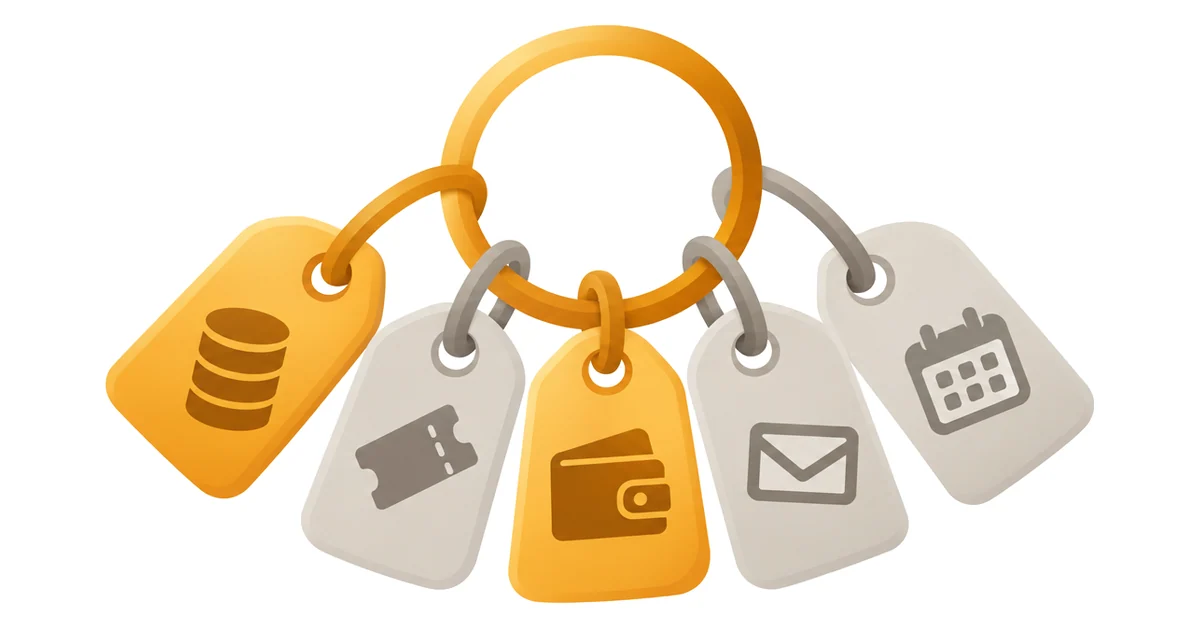
An agent is only as safe as the tools you hand it. Your project starts by listing every system the agent might touch, every action it might take and what a wrong action would cost, before a line of prompt is written.

From there each agent gets a narrow job, its own credentials and a short list of tools with clear descriptions. Reads run freely. Writes that matter wait for a named person to approve them. Your team signs off on the rules, and every run leaves a trace you can audit.

What You Can Rely On

  • Agents scoped to one clear job each
  • Least-privilege access for every tool
  • Approval steps before risky actions
  • Cost per task and success rate reported monthly

Why AI Agents Take On Work Fixed Workflows Can’t

Rule-based automation stops at the first case it wasn’t built for. An agent can read the situation, pick the next step and still stay inside the limits you set. Start with one task where the steps vary but the policy is clear, measure it against your team’s current numbers and add agents once the first one holds up.

Right for You If You Want To

  • Fast response iconHand off case research that spans several systems
  • Linked systems iconLet agents use your CRM, ERP and ticketing through scoped APIs
  • Shield iconKeep a person on every refund, payment or customer message
  • Results report iconSee success rate and cost for every finished task
  • Team skills iconFree specialists for the calls that need their judgment
  • Clock iconWork exceptions and backlogs around the clock

Your Agentic AI Project From Fit Review to Live Agent

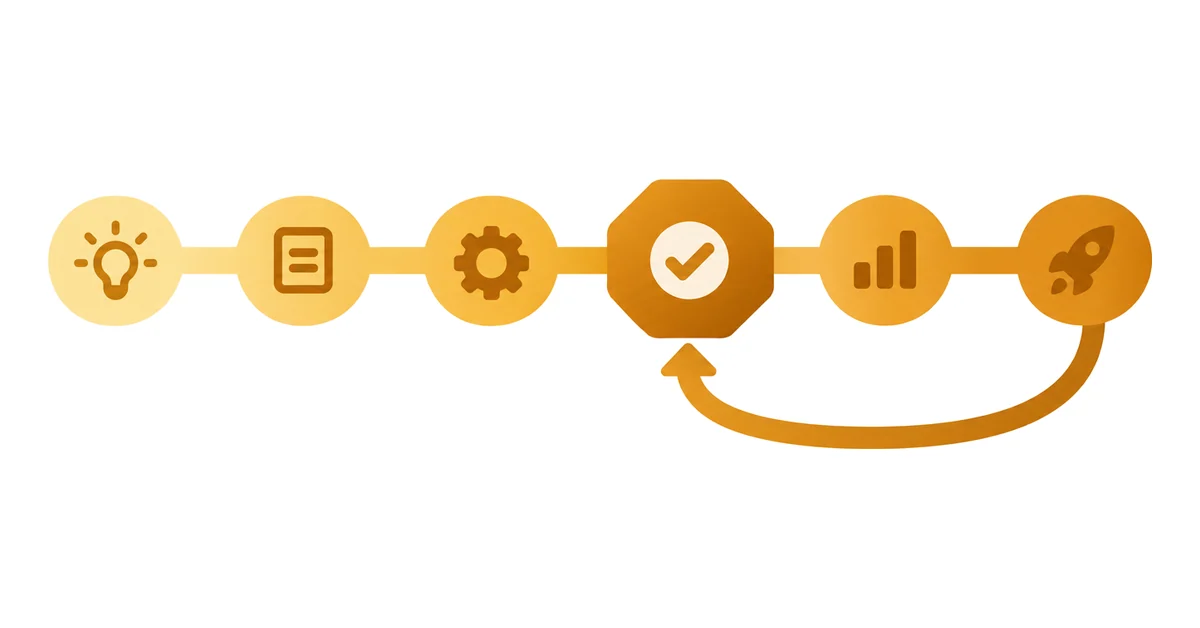
  1. Step 1

    Free Discovery Call

    You describe the tasks that tie up your team and any agent pilots you’ve tried. Your consultant asks which systems hold the data, who signs off on actions today and where mistakes hurt most, then flags the tasks with the best agent fit.

    A written recap and budget range follow

    Something you can pass to IT, security and the task owners before you decide.

  2. Step 2

    Agent Fit Review

    Each candidate task is scored for how much the steps vary, which tools it needs, the damage a wrong action could do and the staff time it takes now. Tasks that a simple workflow handles better are marked as such.

    You get a ranked task list and a fixed quote

    The first agent, its tools, its approval rules, a timeline and one set price.

  3. Step 3

    Build, Evaluate and Stage

    Tools and permissions are set up first, then the agent itself. It runs against a test set of past cases until success rate, cost and safety checks meet the bar you agreed, then goes live in shadow mode next to your team.

    You get an agent that has passed your tests

    With run logs, approval steps, a kill switch, documentation and training for its owners.

  4. Ongoing

    Monitor, Tune and Extend

    Your account manager reviews run traces, failures and spend every month. Failed runs become new test cases, approval rules loosen only where the data supports it, and new tasks or agents join the plan.

    You get a monthly agent report

    Tasks completed, success rate, approvals, rollbacks and cost per task in one place.

What’s Included in Agentic AI Consulting

Start with a review of an existing agent pilot, or get the full program from fit review to ongoing monitoring.

  • Tasks Scored for Agent Fit

    Variability, tool needs, action risk and staff time rated for each candidate.

  • Tools Built for Agents to Use

    Clear, narrow API actions with scoped credentials and input checks.

  • Guardrails and Approval Rules

    Spend, step and retry limits, plus sign-off on actions you mark as risky.

  • Evaluation Sets From Real Cases

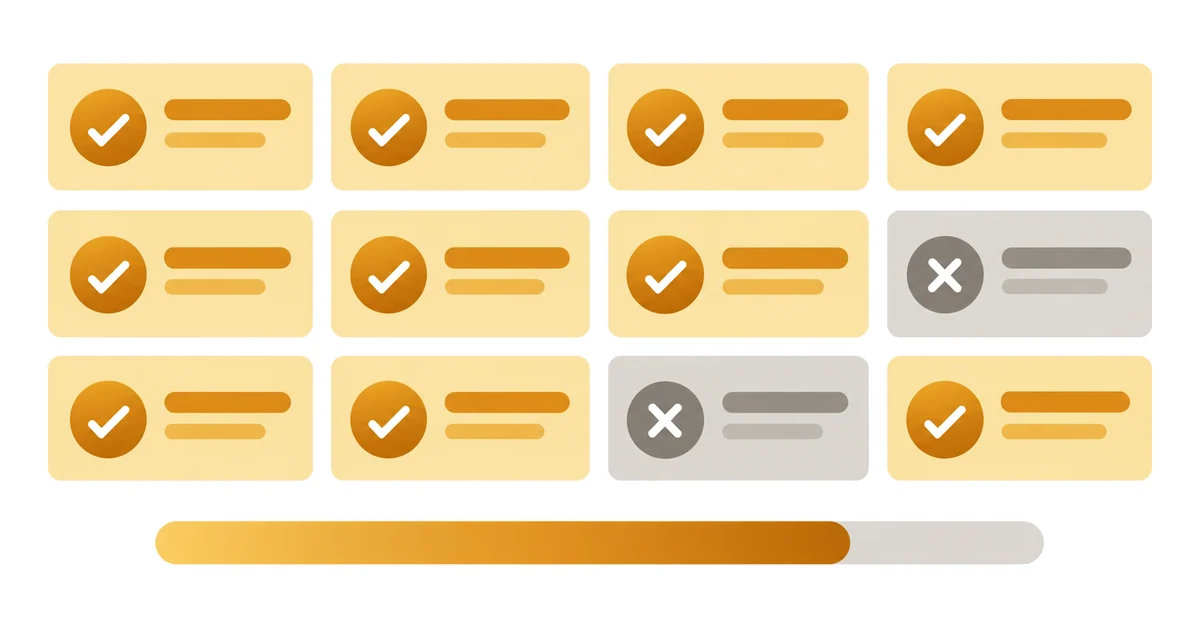
    Past cases with known outcomes, run before every release to catch regressions.

  • Run Tracing and Rollback

    Every step and tool call logged, with reversible writes where your systems allow.

  • Monthly Cost and Quality Review

    Success rate, failures and cost per task tracked, with fixes shipped each month.

LLM Integrations40+
AI Agents and Workflows Built60+
Map of an AI agent’s tools with read and write permissions scoped per system
Test set of past cases with pass and fail scores for an AI agent release

What Clients Say About Their AI Projects With WiseCrow AI

Live in Production in 9 Weeks

“We had a pilot that never left the sandbox. WiseCrow rebuilt the data pipeline, set up monitoring and gave our engineers clear ownership. Nine weeks later it was running in production, and they still review performance with us every month.”

PR
Priya RamanVP of Engineering, SaaS Platform

3 Pilots, One Clear Winner

“Instead of chasing every AI idea, they scored three pilots against cost, risk and payback. The winner paid for itself within the first quarter. Their weekly updates were short and honest, and always told us exactly what was blocked and why.”

JP
Jonathan PierceCOO, Insurance Brokerage

Cut Manual Work by 38%

“WiseCrow mapped our back-office workflows in two weeks and showed us which ones were worth automating first. Their phased plan kept the rollout calm, and we cut manual processing by 38% without adding headcount or disrupting the team we already had.”

MT
Megan TorresOperations Director, Logistics Company

Your Multi-Step Work Before and After AI Agents

How a case moves through your team once an agent does the legwork.

Before AI Agents

  • Staff open five systems to build one case
  • Exceptions wait in a backlog for days
  • Agent pilots running on broad admin keys
  • No record of why an action was taken
  • Model spend with no link to finished work

After AI Agents

  • The agent gathers facts and drafts the next step
  • Exceptions worked as they arrive
  • Scoped credentials for every tool
  • A full trace of every run and decision
  • Cost per task reported each month

Benefits of Agentic AI Consulting for Your Operations

What outside help changes when software starts taking actions in your systems.

People iconYour Specialists Start Each Case With the Facts Ready

The agent pulls account history, open tickets, contract terms and order data into one summary with a proposed next step. Your expert reviews and decides, which is the part of the task that needed them in the first place.

Shield iconYou Control Exactly What Each Agent Can Touch

Permissions are set per tool and per action, approvals sit in front of anything costly or customer-facing, and a kill switch pauses an agent at once. Your security team sees the full list before go-live.

Coin iconYou Know the Cost of Every Finished Task

Model spend is tied to completed work. Step limits, caching and smaller models for simple steps keep cost per task low, and you see the figure each month next to the staff time it replaces.

Target iconYour Agents Get Better With Proof

Every failed run becomes a test case. Changes ship only after the full test set passes, so improvements are measured and a fix in one place doesn’t quietly break another.

Agentic AI Consulting Pricing and Return

Your first agent gets a fixed quote after a free agent fit review. The table assumes about 15 minutes of staff time per multi-step task the agent completes, before model costs. Your own figures come from timing the task today.

Multi-step tasks per weekHours back per weekHours back per yearValue per year
40 10 hrs520 hrs$20,800
100Usual starting project 25 hrs1,300 hrs$52,000
200 50 hrs2,600 hrs$104,000

What Happens Before Your First Agent Goes Live

  • Open-ended usage bills

    Fee and Run Cost Shown Apart

    Your quote lists the build fee, and testing shows expected model spend per task before launch.

  • An agent where a workflow would do

    An Honest Read on Agent Fit

    If a fixed workflow or a simple script handles the task better, you hear it on the first call.

  • A demo that worked once

    Test Results on Your Past Cases

    Weekly updates show pass rates on real cases, including the runs that failed and why.

  • Go-live with no way back

    Shadow Mode and a Kill Switch

    The agent runs next to your team first, and your owners can pause it at any time.

AI agent with separate scoped keys for CRM, ticketing and finance tools, and blocked admin access

Tool Access Scoped So Agents Can Only Do Their Job

Each agent gets its own identity and a short list of tools built for its task, such as “look up order” or “draft credit note.” Broad admin keys and open database access stay off the table, and secrets live in your vault.

Tool inputs are validated before they reach your systems, and outputs are checked before the agent uses them. Content the agent reads from emails, web pages or files is treated as untrusted, which limits the damage a prompt injection can do.

Agent run trace showing tool calls, an approval checkpoint and a rollback option

Approvals, Monitoring and Rollback for Every Agent Run

You choose which actions need a person. A refund over a set amount, an email to a customer or a change to a contract can all wait for sign-off, with the agent’s reasoning and evidence shown next to the approve button.

Every run is traced step by step, with success, failure, approvals and cost recorded. Alerts fire when error rates or spend jump, writes are reversible where your systems allow, and failed runs are replayed against the fix before it ships.

Agentic AI Consulting for Your Industry

Where agents tend to pay off first, and the related services that support them.

Financial Services

Agents assemble KYC files, research flagged transactions and draft case notes, while every decision stays with an analyst. Agents with access to customer and payment data need a hard look at permissions and audit trails, which AI security consulting covers in depth.

Ecommerce and Retail

An agent can work order exceptions end to end: check the carrier, confirm stock, propose a refund or reship and queue it for approval. When customers also need answers in chat, pair it with conversational AI consulting so the assistant can hand tasks to the agent.

Logistics and Operations

Agents triage incidents, pull logs and shipment data and draft a first diagnosis for the on-call lead. Running many agents in production needs solid monitoring, versioning and incident routines, the focus of AI operations consulting.

Professional Services and B2B

Agents prepare account research before sales calls, check contracts against templates and build client reports from several sources. For the fixed, repeatable steps around them, AI automation consulting is often the cheaper tool.
How to Choose an Agentic AI Consulting Partner

Agents that act in your systems raise the stakes. A strong partner talks about permissions, tests and failure modes before features. Before you sign, ask your agentic AI consulting partner to show you:

  • A method for deciding when a task needs an agent at all
  • Least-privilege tool access and approval rules agreed before the build
  • An evaluation set from your own past cases, run on every release
  • Run tracing, alerts, a kill switch and a rollback plan
  • Cost per task measured in testing and reported after launch

Also ask who owns the agent once it’s live. You should hold the code, prompts, tool definitions and logs, so your team can change or retire an agent without waiting on anyone.

What You Can Count On From Your Agentic AI Partner

  • Price agreement icon

    Fixed Quote Before Any Build

    The fee for your first agent is set before work starts.

  • Coin icon

    Affordable, Best-in-Class Work

    Full-service, end-to-end consulting sized for a first agent.

  • Single point of contact icon

    Dedicated Account Manager

    One contact who knows your agents, tools and approval rules.

  • Shield icon

    Access Kept to the Minimum

    Scoped credentials, documented tool lists and NDAs on request.

Questions About Agentic AI Consulting

What Makes an AI Agent Different from a Regular Automation?

A regular automation runs the same fixed path every time. An AI agent gets a goal, works out the steps, calls tools such as your CRM or ticketing system, checks what came back and decides what to do next. Agents suit work where the route changes from case to case, like researching a supplier issue or resolving a billing dispute. Where the path never changes, a plain workflow is cheaper and easier to test, and you’re told so.

Which of Our Tasks Are a Good Fit for an Agent?

Good candidates take several steps, pull information from more than one system and need some judgment along the way, yet follow a clear policy. Think of vendor onboarding checks, order exception handling, account research before a sales call or first-pass incident triage. Your agent fit review scores each task for variability, tool access, risk of a wrong action and the staff time it takes today. Tasks with high risk and low volume usually wait.

How Do You Stop an Agent from Doing Something It Shouldn’t?

Several layers work together. Each agent gets its own credentials with access to only the tools and fields its job needs. Read actions run freely, while actions that send money, email customers or change records can require a person to approve them first. Hard limits cap spend, steps and retries per run, and every tool call is logged. A kill switch lets your team pause an agent at once.

What Happens When an Agent Gets Something Wrong?

Every run leaves a trace of what the agent saw, which tools it called and why. Write actions are designed to be reversible where your systems allow it, so a bad update can be rolled back from the log. The failed run becomes a new test case, the prompt, tool or rule behind it is fixed, and the full test set runs again before the change goes live.

Do We Need Several Agents Working Together?

Most teams don’t at first. A single agent with a short list of well-described tools is easier to test, cheaper to run and simpler to debug. Multi-agent setups make sense when a task splits cleanly into roles, such as one agent gathering facts and another drafting a decision for review. Each split is added only when the single-agent version has hit a clear limit.

How Much Does an Agent Cost to Run per Task?

Run cost depends on the model, how many steps the agent takes and how much text it reads at each step. Cost per completed task is measured during testing and shown to you before launch, next to the staff time the task takes today. After go-live it’s tracked every month. Smaller models for simple steps, caching and step limits usually keep the number in check.

How Much Does Agentic AI Consulting Cost?

The fee depends on how many agents you need, how many tools each one connects to and how much approval and testing the actions require. You get a cost range on your free discovery call and a fixed quote after the agent fit review. Model usage and any platform fees are listed separately, so you see the full monthly picture before anything is built.

Which Frameworks and Models Do You Build With?

The choice follows your stack and your security rules. Agents can run on major model providers or on models hosted in your own cloud, and they connect to your tools through APIs or the Model Context Protocol where it fits. The goal is a setup your team can read, change and own, without lock-in to one vendor’s agent builder.

Plan Your First AI Agent With a Free Call

Get a free agent fit review and a clear plan for your first agent, its tools and its limits.

Talk to an Expert for Free

Set Up Your Free Intro Call

Your name is required.
Please use a valid email.
A short subject helps us route your message.
Tell us briefly what you want to achieve.