Skip navigation

AI Data Governance Consulting

Decide which data your AI may use, who approves it and how every use gets logged, with rules your teams can follow. You start with a free discovery call and strategy session.

Talk to an Expert for Free
  • Your savings, estimated first
  • No commitment
  • Same-day reply
Trusted in 7 sectors
  • HALVERTON
  • KestrelGROUP
  • norvane
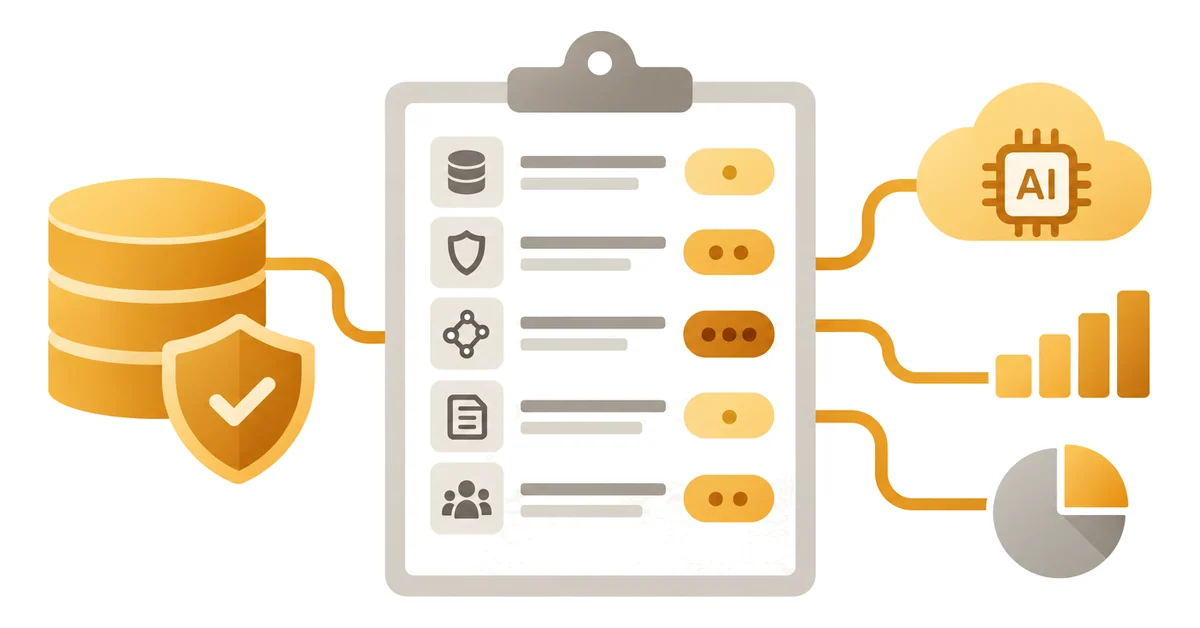
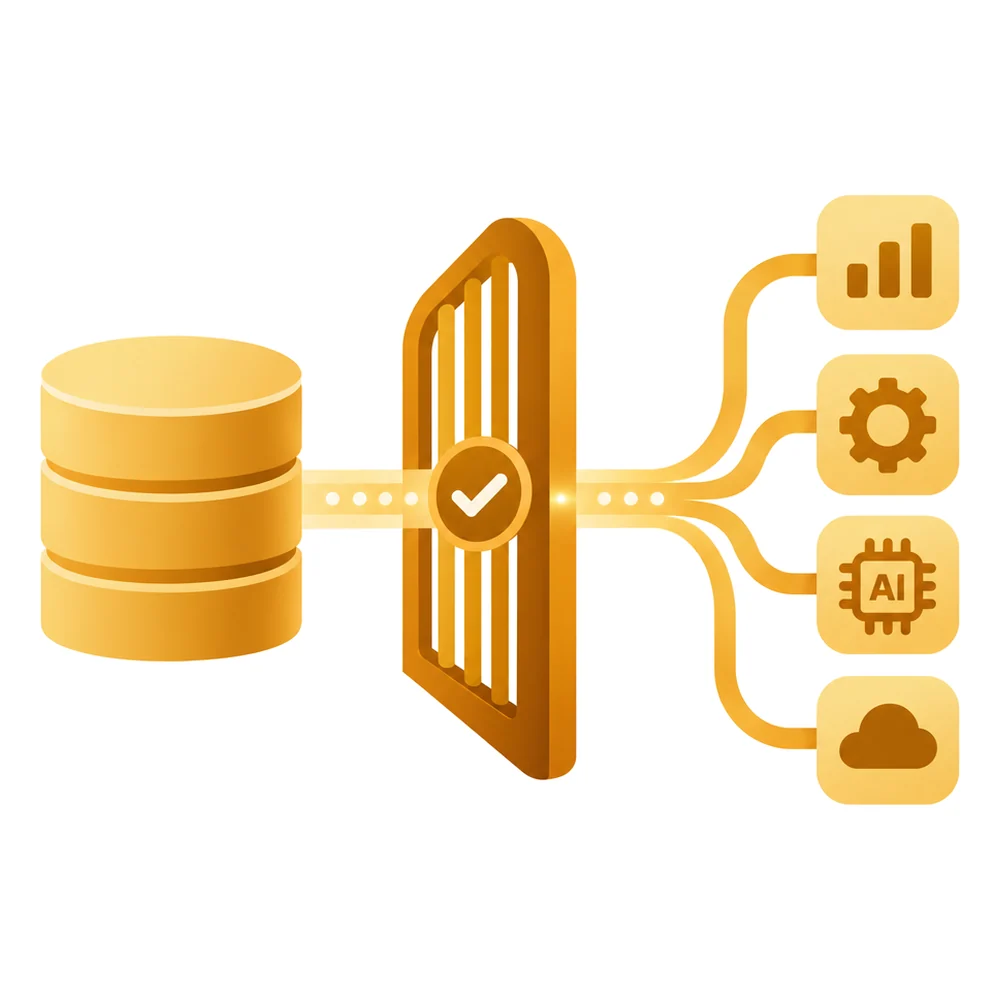
AI data governance controls between company data and AI tools: classification labels, access checks, approval step and audit log
  • Full-service, end-to-end AI consulting
  • 150+ AI use cases scoped
  • 60+ AI agents and workflows built
  • 80+ readiness assessments
  • Trusted in 7 sectors
  • Free discovery call and strategy session
  • One named contact person
  • Multilingual support

What Is AI Data Governance Consulting?

AI data governance consulting is a service that sets the rules for how your company’s data flows into AI. It covers which data each AI tool or model may use, how sensitive data is classified and protected, who approves new uses and how every use is recorded so you can trace it later.

How AI Data Governance Works Day to Day

  1. Uses get registeredEvery AI tool, model and assistant goes into one register with its purpose, owner and the data it draws on.
  2. Data gets classifiedDatasets and document stores get a sensitivity class, and each class comes with plain handling rules for AI.
  3. Access gets enforcedPermissions follow the data into prompts, indexes and training sets, so AI only reaches what each user may see.
  4. New uses get approvedA short request form routes each new use to the right owner, with its risk tier and data class attached.
  5. Result checkmark iconEvery use leaves a trailLogs show which data fed which model or answer and who signed off, ready for an audit or a customer question.

What AI Data Governance Consultants Actually Do

Most companies have data policies already. Few of them mention prompts, embeddings or model training. The work fills those gaps and puts a name next to every decision.

  • AI data use policy and classification
  • Access control for AI tools and RAG
  • Model and data lineage
  • AI use-case register and risk tiers
  • Approval workflows and review board
  • Monitoring, audit trails and framework mapping

What Ungoverned Data Costs You Once AI Gets Access

AI reads faster and wider than any employee. Every gap in your data rules gets found sooner, by more people, and often in front of someone you didn’t want to see it.

  • Inbox icon1.

    Restricted Files in Everyday Answers

    An assistant indexes a shared drive with loose folder rights, and a routine question returns an HR investigation file or a client’s pricing terms.

    Real costInternal Exposure

    Confidential data in the wrong hands

  • Warning icon2.

    Customer Data in Training Sets

    A team fine-tunes a model on support tickets full of names and account numbers, and nobody checked if the original consent covers it.

    Real costConsent and Contract Risk

    Uses your customers never agreed to

  • Team skills icon3.

    Approvals Nobody Owns

    Requests to connect data to an AI tool bounce between IT, legal and security for weeks, so teams skip the process and connect it anyway.

    Real costHidden Data Flows

    Data moving where no one can track it

  • Hourglass icon4.

    Audits Rebuilt From Memory

    A customer or auditor asks what data a model used, and the answer takes days of digging through tickets and old exports.

    Real costShaky Evidence

    Proof you can’t produce on request

AI Data Governance Consulting Built Around How Your Data Moves

Governance programs that open with a sixty-page policy tend to end there too. Yours starts with the AI already in use or on the way, the data each tool touches and the path that data takes from source system to prompt, index or training set.

Rules then follow those paths. Each data class gets plain handling rules for AI, each use case gets a risk tier, and each approval has a named owner and a set turnaround. Low-risk requests move through quickly, and the review board spends its time on uses that could hurt customers or the business.

What Your Governance Program Includes

  • A register of every AI use and its data
  • Classification with AI handling rules
  • Approval workflows with named owners
  • Lineage and audit trails you can show

Why Data Rules Decide How Safely You Can Scale AI

Each new AI tool connects to more of your data than the last one. Rules for classification, access and approval, set once, let every later project reuse the same answers. Teams stop asking legal the same question twice, and security sees each new data flow before it goes live. Begin with the AI uses already running, set the rules there and apply them to every project after.

Right for You If You Want To

  • Shield iconKeep restricted data out of prompts, indexes and training sets
  • Target iconKnow which data every AI tool and model draws on
  • Clock iconRoute new AI data requests to one owner with clear criteria
  • Results report iconShow auditors who approved each data use and when
  • Team skills iconGive data owners and stewards clear duties for AI
  • Progress chart iconAdd new AI use cases without rewriting your rules

How Your AI Data Governance Program Gets Built

  1. Step 1

    Free Discovery Call

    You describe the AI tools and projects in use or planned, the data they reach and the policies you already have. Your consultant asks who approves data access today and where customer or regulator questions have come up, then flags the likely gaps.

    A written recap and budget range follow

    One page you can pass to your data, legal and security leads.

  2. Step 2

    AI Use and Data Flow Mapping

    Every AI use goes into a register with its owner, purpose and data sources. Datasets and document stores get checked against your current classification, and the paths from source to prompt, index or model are drawn out.

    You get a gap report and a fixed quote

    Each gap ranked by risk, with one price to close them.

  3. Step 3

    Policies, Controls and Workflows

    The AI data use policy, handling rules per class, risk tiers and approval workflow are written with the people who will run them. Access controls for AI tools and RAG get configured in your existing platforms, and lineage capture is switched on where your stack supports it.

    You get working controls and approved policies

    Roles, templates and training for owners, stewards and the review board.

  4. Ongoing

    Monitor, Audit and Adjust

    Your account manager reviews access logs, new requests and register changes with your team. Policies get updated when a new tool, data source or regulation shifts the picture, and spot checks confirm the controls still hold.

    You get a regular governance report

    New AI uses, approvals, exceptions and open findings in one view.

The Building Blocks of Your AI Data Governance

Start with rules for the AI already in use, or set up the full program from policy to audit trail.

  • Rules for Which Data AI May Use

    An AI data use policy with allowed, restricted and banned data per type of tool.

  • Classification With AI Handling Rules

    Sensitivity classes for data and documents, each with plain rules for prompts and training.

  • Access Control for AI Tools and RAG

    Permissions carried into indexes and assistants, then tested against real user roles.

  • An AI Use-Case Register With Risk Tiers

    Every model, assistant and agent listed with its owner, data sources and tier.

  • Approval Workflows and Clear Roles

    Request forms, owners, stewards and a review board with set decision rights.

  • Lineage, Monitoring and Audit Trails

    Records of which data fed which model, who approved it and who used it.

Readiness Assessments80+
Governance and Security Reviews50+
AI use-case register listing assistants and models with owner, data sources, data class and risk tier
Data classification levels from public to restricted, each with handling rules for prompts, RAG indexes and model training

What Clients Say About Clear Rules and Straight Answers

Board Approval in 30 Days

“Our leadership needed a business case they could trust. WiseCrow built the roadmap, the budget and the risk controls in plain language. The board approved it in thirty days, and our account manager made every handoff with IT painless.”

EN
Elena NovakCFO, Manufacturing Group

Live in Production in 9 Weeks

“We had a pilot that never left the sandbox. WiseCrow rebuilt the data pipeline, set up monitoring and gave our engineers clear ownership. Nine weeks later it was running in production, and they still review performance with us every month.”

PR
Priya RamanVP of Engineering, SaaS Platform

1 Call Changed Our Plan

“I expected a sales pitch on the discovery call. Instead they asked sharp questions about our data and told us one project wasn’t worth doing yet. That honesty is why we hired them, and the work since has been thoughtful, fast and well documented.”

HB
Hannah BrooksHead of CX, Healthcare Network

Your AI Data Use Before and After Governance

What changes once every AI data use has a rule, an owner and a record.

Before AI Data Governance

  • No list of which AI tools touch which data
  • Sensitive files indexed with everything else
  • Data requests decided case by case over email
  • Training data with no record of its source
  • Audit questions answered by searching old tickets

After AI Data Governance

  • One register of AI uses, data sources and owners
  • Classified data with clear rules for AI
  • A standard request routed by risk tier
  • Lineage from source system to model version
  • Logs and approvals ready on request

Benefits of AI Data Governance Consulting for Your Business

What changes when your data rules are written with AI in mind.

Shield iconSensitive Data Stays Where It Belongs

Classification and access rules travel with the data into assistants, indexes and training sets. An employee’s question only pulls from files that person could already open, and restricted classes never reach an outside model.

Clock iconTeams Get Answers Without Long Waits

A clear policy settles most requests on the spot, since the data class and risk tier already say what’s allowed. Only unclear or high-risk cases go to the review board, and they arrive with the facts filled in.

Chart iconYou Can Prove What Your AI Used

Lineage and audit trails record the dataset, version and approval behind each model or assistant. When a customer, auditor or regulator asks, the answer is a report, and nobody has to rebuild history from memory.

Progress chart iconEach New AI Project Starts Faster

The second project inherits the classes, roles and approval steps from the first. Teams fill in a request form, and the review focuses on what’s new about the use case.
AI Data Governance Consulting Pricing and Time Saved

Your program gets a fixed quote after a free discovery call and a mapping of your AI uses. Most of the value of governance lies in exposure you avoid, which no table can price honestly. The table shows a narrower gain: staff time saved when a request to use data in an AI tool runs through a clear policy and a standard workflow, with fewer email threads and repeat questions to legal, security and data owners. It assumes about 30 minutes saved per request, valued at $60 an hour. Your mapping replaces those figures with your own.

AI data requests per weekHours back per weekHours back per yearValue per year
5 3 hrs130 hrs$7,800
15Usual starting project 8 hrs390 hrs$23,400
40 20 hrs1,040 hrs$62,400

Before Your AI Data Governance Work Begins

  • Policies written for a shelf

    Rules Your Teams Can Follow

    Each policy fits on a few pages and comes with examples from your own tools and data.

  • Locking AI down completely

    Controls Scaled to Risk

    Low-risk uses get a quick path, so people have no reason to go around the process.

  • A new platform as step one

    Your Current Tools First

    Labeling, access and logging features you already pay for get used before anything new is proposed.

  • Compliance promises

    Clear Limits on Legal Claims

    Frameworks shape how the work is organized. Legal compliance and certification are decided by your counsel and an accredited auditor.

Retrieval pipeline checking each user’s permissions and data class before an AI assistant returns a document passage

Access Control for AI Tools and RAG That Follows Your Permissions

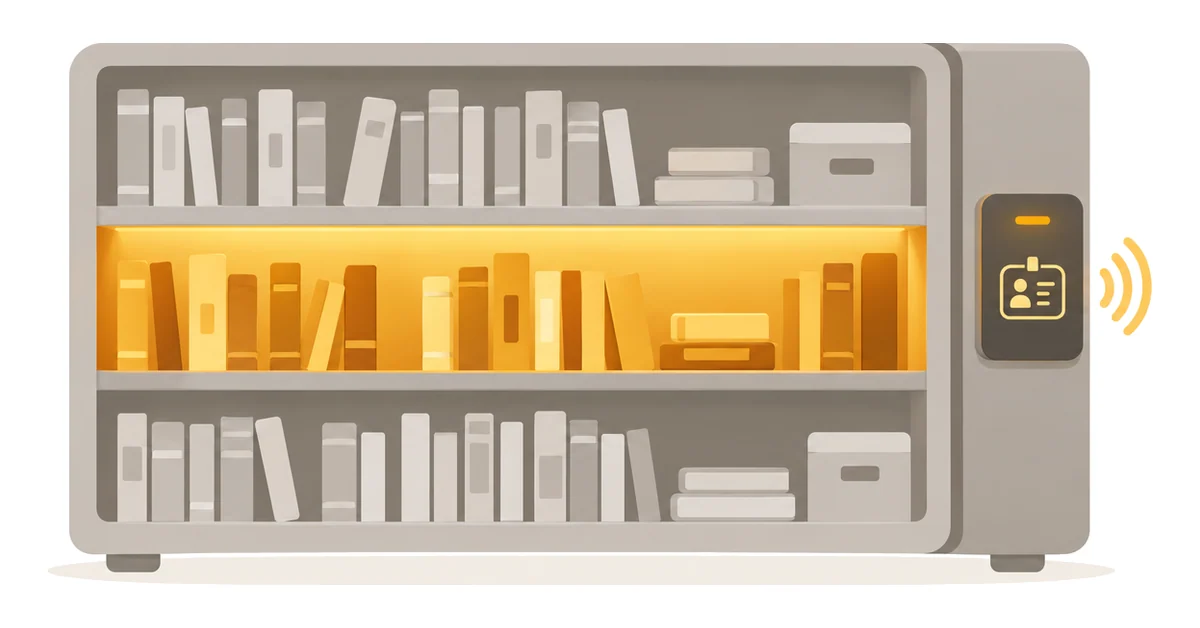
Retrieval-augmented generation lets an assistant look up your documents before it answers. Left alone, it searches everything it was given. With controls in place, each passage carries its source permissions and data class, and results get filtered against the person asking before the model sees a single line.

The same rules cover copilots, chat tools and agents. Restricted classes stay out of indexes entirely, confidential ones need a named approver, and outside model providers only receive data your policy allows for them. Spot tests with real user accounts confirm that a sales rep can’t pull up HR files, and those tests repeat whenever a new source is connected.

Lineage view linking source datasets, a training snapshot, a model version and its approval record in one audit trail

Model and Data Lineage With Audit Trails You Can Hand Over

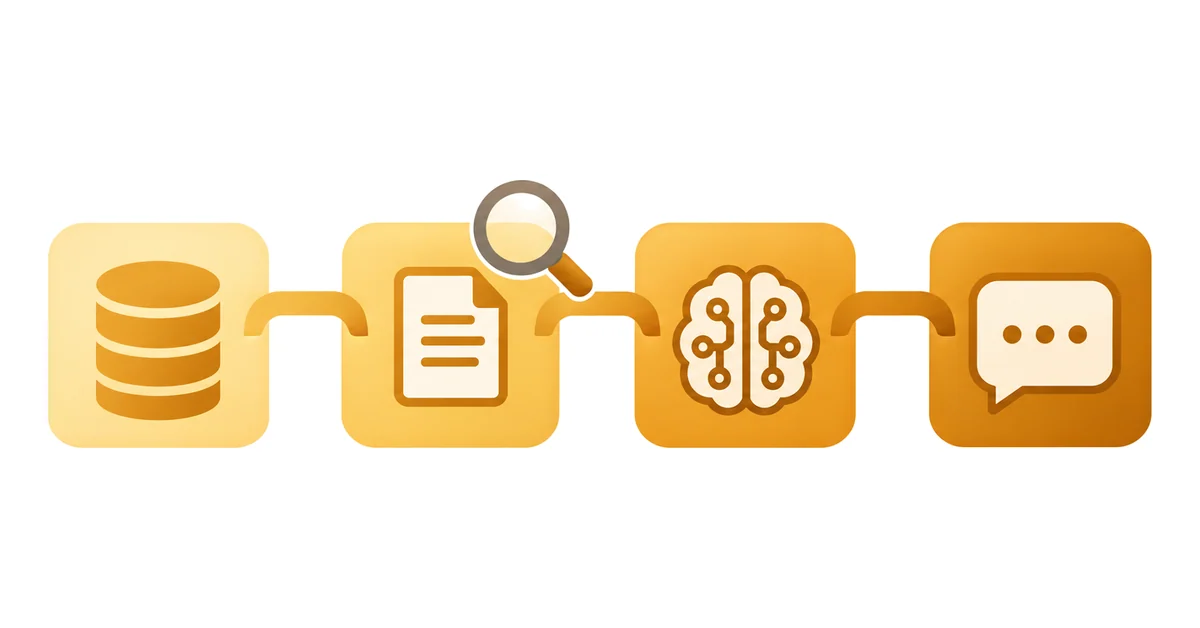
Each model and assistant gets a record of the datasets behind it, the version or snapshot used, the transformations applied and the person who approved the data for that purpose. When a source changes or a customer withdraws consent, you can see which models and indexes it reached.

Monitoring adds the running view: who queried which assistant, which documents came back and which requests the policy blocked. Logs are kept for a period you set, with access limited to the people who review them. Together, the register, lineage and logs answer the questions auditors and enterprise customers ask most often.

AI Data Governance Consulting for Your Industry

Where data rules for AI carry the most weight, and the services that work alongside them.

Financial Services and Insurance

Models that price policies, flag fraud or score credit need traceable inputs and clear records of approved data use. Lineage and retention rules come first, often next to your existing model risk process. For the use cases built on that data, see financial services AI consulting.

Healthcare and Life Sciences

Patient records, clinical notes and research data need strict classes, de-identification rules and tight access logs before any AI tool connects to them. Testing if an assistant can be pushed into revealing that data belongs to AI security consulting.

HR and Workforce Data

Employee files, performance reviews and applicant data feed hiring and people analytics tools. Governance sets which fields may be used and for what purpose. Fairness testing of the tools themselves sits with AI ethics consulting.

SaaS and Software

Customer data inside your product often comes with contract terms on how it may be used, including for AI features and model training. Clear rules per customer contract keep product teams moving. Pipelines, quality and architecture for that data come from AI data strategy consulting.

How to Choose an AI Data Governance Consulting Partner

A general data governance program can run for years without touching a prompt or a vector index. Your partner needs to know both worlds. Before you sign, ask your AI data governance consulting partner to show you:

  • Experience classifying data for prompts, RAG and model training
  • Access controls tested with real user accounts
  • A use-case register with risk tiers and named owners
  • Work mapped to the NIST AI RMF or ISO/IEC 42001 where it helps
  • A fixed quote and clear limits on legal claims

Also ask where the policies, register and lineage records will live. They should sit in tools your team runs, so governance keeps going after the engagement ends.

What You Can Count On From Your AI Data Governance Partner

  • Price agreement icon

    Fixed Quote After Mapping

    One price once your AI uses and data flows are mapped.

  • Coin icon

    Affordable, Best-in-Class Work

    Full-service, end-to-end governance scoped to the AI you run today.

  • Single point of contact icon

    Dedicated Account Manager

    One contact for your data owners, legal and security teams.

  • Shield icon

    Minimal Access to Your Data

    Metadata and samples reviewed in your environment where possible, NDAs on request.

Questions About AI Data Governance Consulting

How Is AI Data Governance Different from the Data Governance We Already Have?

Traditional data governance covers quality, ownership and access for reports and business systems. AI adds new places for data to end up: prompts, chat logs, search indexes, embeddings and model weights. AI data governance extends your existing classes, owners and access rules to those places, then adds what AI needs on top, such as a use-case register, risk tiers and lineage from dataset to model. Your current program stays the base.

Which Data Should Never Go into AI Tools?

It depends on the tool, the contract with its provider and your own obligations. Most policies ban secrets such as passwords and API keys outright, and restrict health data, financial account details, special categories of personal data and anything under a confidentiality agreement. Restricted often means allowed with conditions: approved tools only, masked fields or a named approver. Your classification spells out each case, so staff don’t have to guess.

How Do You Stop a RAG Assistant from Showing People Files They Shouldn’t See?

Permissions get checked at retrieval time. Each indexed passage keeps the access rights and data class of its source, and the assistant filters results against the user’s identity before anything goes to the model. Some classes stay out of the index entirely. The setup gets tested with real user roles, and the tests run again whenever a new source is added or folder rights change.

What Goes into an AI Use-Case Register?

One entry per AI use: its purpose, business owner, the model or vendor behind it, the data sources it reads or was trained on, the data classes involved, its risk tier, the approval record and the next review date. Tools staff picked up on their own belong in it too. The register becomes the starting point for audits, customer questionnaires and decisions about what to review first.

How Do the NIST AI RMF and ISO/IEC 42001 Fit into the Work?

They give the program a shape auditors recognize. Policies, roles and controls can be mapped to the NIST AI RMF functions or to the requirements and controls of ISO/IEC 42001, so reviewers can follow the logic. The mapping shows coverage and gaps. It doesn’t certify you, and an ISO/IEC 42001 certificate can only come from an accredited certification body.

What Does the EU AI Act Mean for Our Data Governance?

The EU AI Act has been adopted. It sets duties on data quality, documentation, record-keeping and human oversight that grow with risk, and high-risk systems carry the heaviest load. Its obligations apply in stages, and changes to the timing of some have been proposed or agreed since adoption, so check the current status for the use cases you run. A register with risk tiers, lineage and audit logs covers much of the evidence such rules ask for. Legal conclusions stay with your counsel.

What Does a Data Steward Do in an AI Program?

A steward keeps a dataset’s classification, metadata and quality current, and answers first questions from teams that want to use it with AI. The business owner makes the final call on new uses. A small review board handles high-risk uses and exceptions, usually with members from data, privacy or legal, security and the business. Each role gets written decision rights and short training.

Do We Need to Buy a Governance Platform?

Often not at the start. Many companies already pay for labeling, access control, logging and catalog features inside their cloud, productivity or data platforms, and those get used first. A dedicated catalog or AI governance tool makes sense once the register, lineage or approval volume outgrows spreadsheets and built-in features. Any such recommendation comes with its running cost in writing.

How Much Does AI Data Governance Consulting Cost?

The fee depends on how many AI uses and data sources are in scope, how mature your current data governance is and how much ongoing monitoring you want. You get a cost range on your free discovery call and a fixed quote once your AI uses are mapped. A common first scope covers the AI already running plus one high-risk project.

What Happens After the Policies Are Written?

Rollout includes short training for owners, stewards and requesters, plus templates for the request form and the register. Your dedicated account manager then reviews new requests, access logs and exceptions with your team, and updates the rules when tools, data sources or regulations change. Support is available in 5+ languages for teams in different countries.

Set Clear Rules for the Data Behind Your AI

Get a free review of your AI data uses and a clear plan for closing the biggest gaps first.

Talk to an Expert for Free

Set Up Your Free Intro Call

Your name is required.
Please use a valid email.
A short subject helps us route your message.
Tell us briefly what you want to achieve.