Skip navigation

Financial Services AI Consulting

Clear alert queues, onboard customers faster and support credit and claims decisions with AI your risk team can explain and audit. You start with a free discovery call and strategy session.

Talk to an Expert for Free
  • Your savings, estimated first
  • No commitment
  • Same-day reply
Trusted in 7 sectors
  • HALVERTON
  • KestrelGROUP
  • norvane
Financial services AI layers: fraud alerts, KYC documents, claims files and credit reviews flowing through monitored models to human reviewers
  • Full-service, end-to-end AI consulting
  • 150+ AI use cases scoped
  • 60+ AI agents and workflows built
  • 80+ readiness assessments
  • Trusted in 7 sectors
  • Free discovery call and strategy session
  • One named contact person
  • Multilingual support

What Is Financial Services AI Consulting?

Financial services AI consulting is a service that helps banks, insurers, credit unions and wealth and asset managers put AI to work on review-heavy operations: fraud and AML alerts, onboarding, claims, underwriting, credit and reporting. Each workflow is designed to pass model risk review, protect customer data and keep a qualified person on the decisions that matter.

How AI Supports Your Risk, Operations and Service Teams

  1. A case opensAn alert fires, an application lands, a claim is filed or a customer asks a question in chat or by email.
  2. AI builds the fileIt gathers transactions, documents and history, checks them against your policies and writes a short summary.
  3. Low-risk work movesClear false positives, complete files and routine requests follow the paths your risk team approved in advance.
  4. Analysts decideInvestigators, underwriters and adjusters see the evidence, the AI’s suggestion and its reasons, then confirm or override.
  5. Result checkmark iconQueues get shorterHandling time, accuracy and overrides are tracked against a baseline and reported to you and your model risk team each month.

What Financial Services AI Consultants Actually Do

One partner covers the workflow, the model and the governance paperwork, so a good idea makes it past risk committee and into daily use.

  • Fraud and AML alert triage
  • KYC and onboarding document processing
  • Claims and underwriting support
  • Explainable credit decision support
  • Advisor and operations knowledge copilots
  • Model inventory, validation and monitoring

What Manual Review Costs Your Institution

Most compliance and operations teams spend their days clearing work that turns out to be fine. The real risks wait in the same queue, and customers feel every extra day.

  • Warning icon1.

    Alert Queues Full of False Positives

    Fraud and AML rules flag far more activity than they should, so investigators spend most of their shift closing harmless alerts.

    Real costMissed Real Risk

    True cases buried under noise

  • Hourglass icon2.

    Onboarding That Drags

    Analysts check IDs, statements and ownership documents by hand, and applicants abandon the process while they wait.

    Real costLost Customers

    Accounts opened somewhere faster

  • Inbox icon3.

    Claims and Applications Piling Up

    Adjusters and underwriters retype data from forms and reports before they can even start the judgment part of the job.

    Real costSlow Decisions

    Backlogs that grow every season

  • Shield icon4.

    Models Nobody Can Explain

    Pilots built without documentation or monitoring stall at model risk review, and the business case quietly dies.

    Real costWasted Budget

    Projects that never reach production

Financial Services AI Consulting Built to Pass Model Risk Review

Many AI projects in banking and insurance stall at the same moment: a validator asks for documentation that doesn’t exist, or compliance can’t explain an outcome to a customer. Your project prepares those answers as it goes, with your second line involved from the first workshop.

Use cases are ranked by value and by model risk. Triage and document work usually goes first, because a person still makes every decision. Credit and pricing support comes later, with fairness testing, reason codes and a validation pack your model risk team can review on its own terms.

What You Can Rely On

  • Use cases ranked by value and model risk
  • A model inventory entry for every AI system
  • Reason codes reviewers can read and explain
  • Monthly reports on accuracy and overrides

Why AI Pays Off First in Review-Heavy Financial Work

Financial institutions already run on written procedures, case notes and second reviews. AI fits that structure well: it can prepare the file, apply the policy and point to the evidence, while your people keep the decision. Start with one queue, measure it against a baseline and expand once the numbers hold.

Right for You If You Want To

  • Warning iconClose false-positive fraud and AML alerts faster
  • Fast response iconProcess KYC and onboarding documents in minutes
  • Inbox iconSort claims and applications before an expert opens them
  • Target iconGive credit officers explainable, policy-based suggestions
  • Single point of contact iconHelp advisors find product and policy answers quickly
  • Results report iconReconcile and draft regulatory reports with an audit trail

Your Financial Services AI Project, Step by Step

  1. Step 1

    Free Discovery Call

    You walk through the queues and decisions that slow your teams down. Your consultant asks about your core systems, case volumes, current models and how your model risk and vendor review processes work today.

    A written recap and budget range follow

    Ready to share with operations, risk, compliance and IT.

  2. Step 2

    Use-Case and Model Risk Assessment

    Each candidate is scored for volume, handling cost, customer impact and model risk tier. Data sources are mapped, privacy needs are noted and planned vendors are checked against your third-party risk requirements.

    You get priorities in order plus a fixed quote

    Priorities, risk tiers, a data map, a timeline and one set price for the first project.

  3. Step 3

    Build, Validate and Document

    Workflows are built in small releases and tested on historical cases your team already decided. Results, limits and fairness checks go into a validation pack, and your analysts approve every rule before launch.

    You get a validated workflow and its paperwork

    Integrated with your systems, with review steps, audit logs, model documentation and staff training.

  4. Ongoing

    Monitor and Expand

    Your account manager tracks drift, accuracy and override rates each month and updates workflows when policies or products change. New use cases join the plan once each one proves itself.

    You get a monthly monitoring report

    Handling time, accuracy, overrides and drift in one place, ready for your model risk reviews.

What’s Included in Financial Services AI Consulting

Bring in help for one queue or for the full program, from assessment to ongoing model monitoring.

  • Fraud and AML Alert Triage

    Alert summaries, risk scoring and draft case notes that investigators confirm or reject.

  • KYC and Onboarding Document Processing

    ID, statement and ownership checks with exceptions routed to an analyst.

  • Claims and Underwriting Support

    Intake sorting, data extraction and file summaries for adjusters and underwriters.

  • Explainable Credit Decision Support

    Policy-based suggestions with reason codes and fairness testing before use.

  • Copilots for Advisors and Operations

    Answers from your own policies, procedures and product rules, with sources shown.

  • Model Risk, Privacy and Vendor Checks

    Inventory entries, validation packs, data maps and third-party risk reviews.

AI Use Cases Scoped150+
Governance and Security Reviews50+
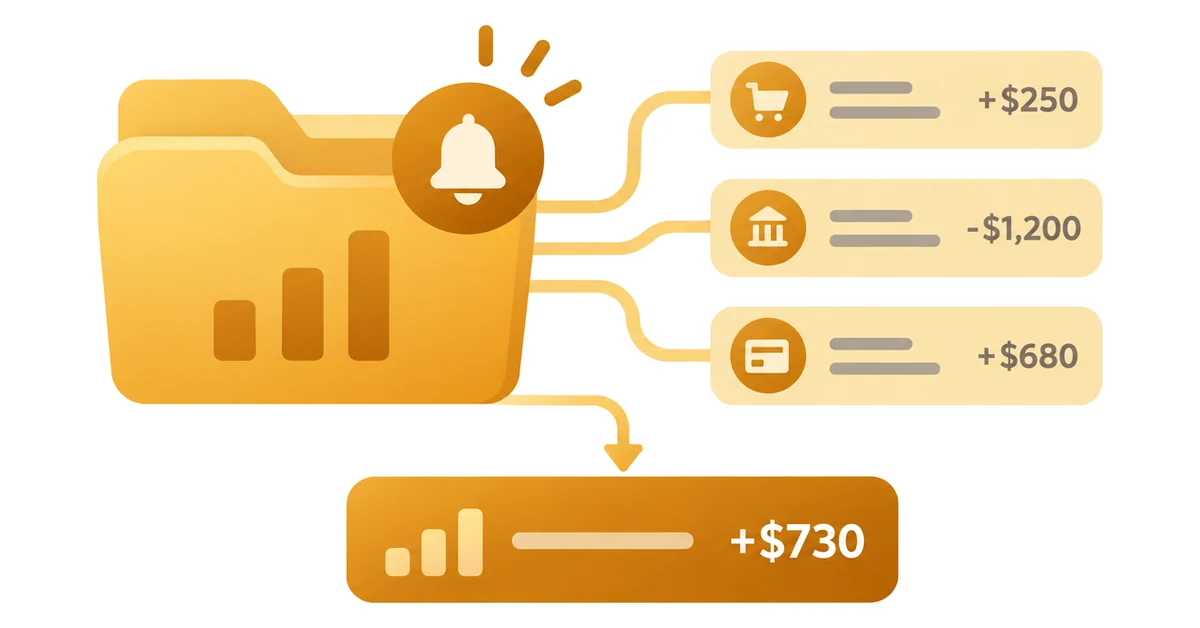
AML alert summary prepared by AI with linked transactions, risk factors and a draft case note waiting for investigator review
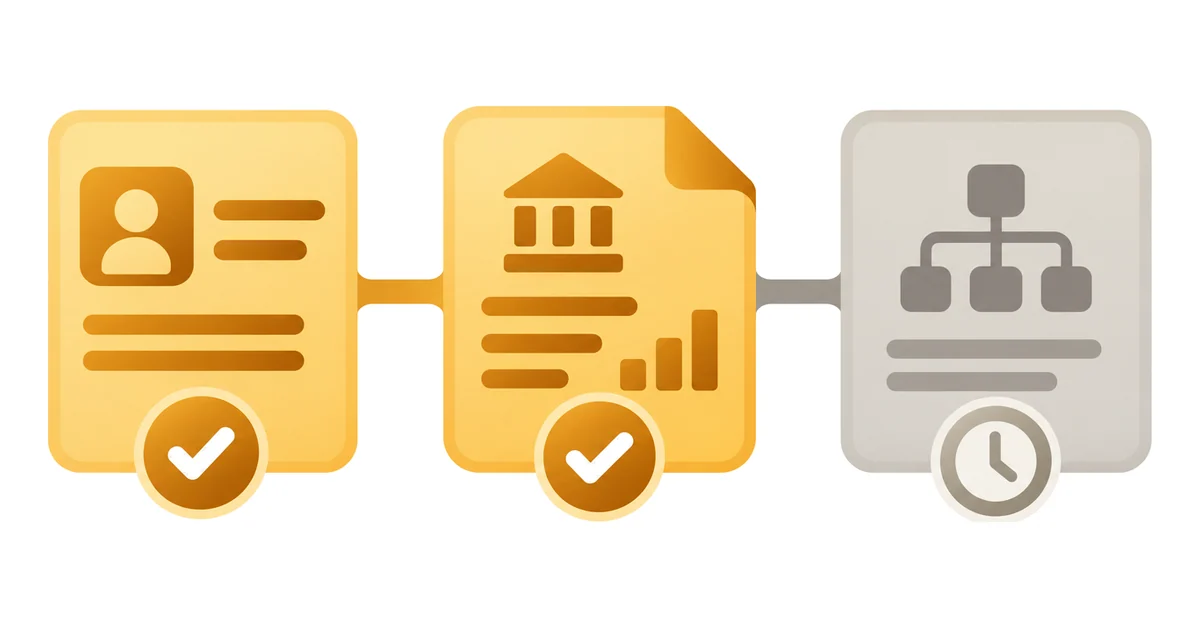
KYC onboarding file with an ID, a bank statement and an ownership chart checked by AI, one exception flagged for an analyst

Client Feedback on Risk, Rollout and Results

3 Pilots, One Clear Winner

“Instead of chasing every AI idea, they scored three pilots against cost, risk and payback. The winner paid for itself within the first quarter. Their weekly updates were short and honest, and always told us exactly what was blocked and why.”

JP
Jonathan PierceCOO, Insurance Brokerage

Live in Production in 9 Weeks

“We had a pilot that never left the sandbox. WiseCrow rebuilt the data pipeline, set up monitoring and gave our engineers clear ownership. Nine weeks later it was running in production, and they still review performance with us every month.”

PR
Priya RamanVP of Engineering, SaaS Platform

Board Approval in 30 Days

“Our leadership needed a business case they could trust. WiseCrow built the roadmap, the budget and the risk controls in plain language. The board approved it in thirty days, and our account manager made every handoff with IT painless.”

EN
Elena NovakCFO, Manufacturing Group

Your Financial Operations Before and After AI

Where analyst time goes today, and what changes once files arrive prepared.

Before Financial Services AI

  • Investigators closing harmless alerts all day
  • KYC documents checked line by line
  • Claims and applications retyped from forms
  • Models stuck waiting for validation paperwork
  • Advisors searching old PDFs for policy answers

After Financial Services AI

  • Alerts summarized and ranked by risk
  • Documents checked, exceptions flagged for analysts
  • Files extracted and summarized before review
  • Validation packs written alongside the build
  • Answers from current policies, with sources shown

Benefits of Financial Services AI Consulting for Your Institution

What expert help changes for your analysts, your customers and your risk function.

Clock iconYour Analysts Focus on Real Risk

When AI closes or ranks the obvious false positives, investigators spend their time on the cases that look wrong for a reason. Case notes come prefilled, so each review starts halfway done.

Progress chart iconCustomers Get Faster Answers

Complete onboarding files move without waiting in a queue, and claims reach the right adjuster on day one. Service assistants handle balance, policy and status questions, and they hand over to a person with the conversation attached.

Shield iconYour Second Line Sees Everything

Every model has an owner, documentation, test results and a monitoring plan. Validators and auditors get the evidence they ask for, and reviews take less back-and-forth.

Target iconDecisions Stay Explainable and Fair

Credit and pricing support comes with reason codes and fairness testing across customer groups. Your people can explain an outcome to a customer or an examiner in plain language.

Financial Services AI Consulting Pricing and Return

Your first project gets a fixed quote after a free assessment. The table assumes AI saves about six minutes of analyst time on each routine item, such as triaging an alert, checking a KYC document or sorting a claim, valued at $40 an hour. Treat it as a starting point and test it against your own case volumes and salaries during the assessment.

Alerts, files or claims per weekHours back per weekHours back per yearValue per year
250 25 hrs1,300 hrs$52,000
500Usual starting project 50 hrs2,600 hrs$104,000
1,000 100 hrs5,200 hrs$208,000

How Your Financial Services AI Project Gets Started

  • Risk and compliance brought in at the end

    Your Second Line in the First Workshop

    Model risk, compliance and information security see the use cases, data map and vendor list before anything is built.

  • Black-box scores

    Explanations Designed In

    Each model states what it suggests, why it suggests it and which person makes the final decision.

  • Pilots tested on sample data only

    Testing on Cases You Already Decided

    Workflows are compared with your own past outcomes, so you see real accuracy before staff rely on them.

  • Open-ended consulting fees

    A Fixed Quote After the Assessment

    You know the price of your first project before work starts, with no hidden extras.

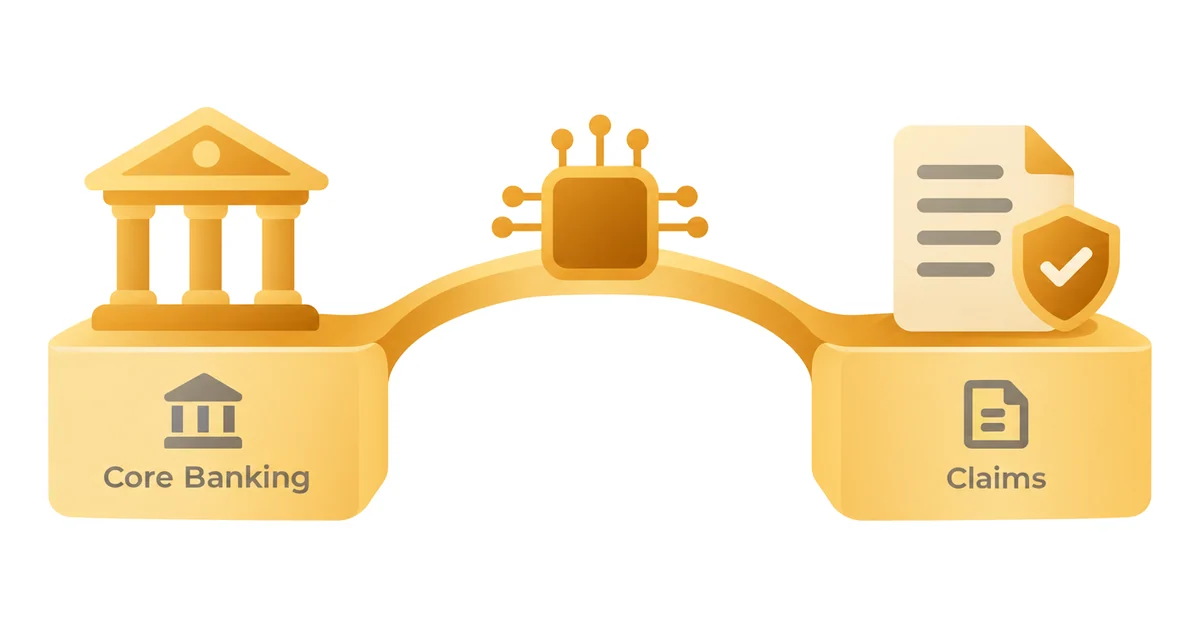
Core banking, case management and claims platforms connected to one AI workflow for alert triage, KYC checks and claims intake

Fraud, KYC and Claims Workflows That Fit Your Core Systems

Your core banking, case management, loan origination and policy administration systems stay where they are. AI works next to them to summarize alerts, check onboarding documents and sort incoming claims, and every result writes back to the record your team already uses.

Customer service assistants answer routine account and policy questions in chat or voice, then hand over to a person when the request needs one. Advisors and operations staff get a knowledge copilot that answers from your current procedures and shows the source for each answer.

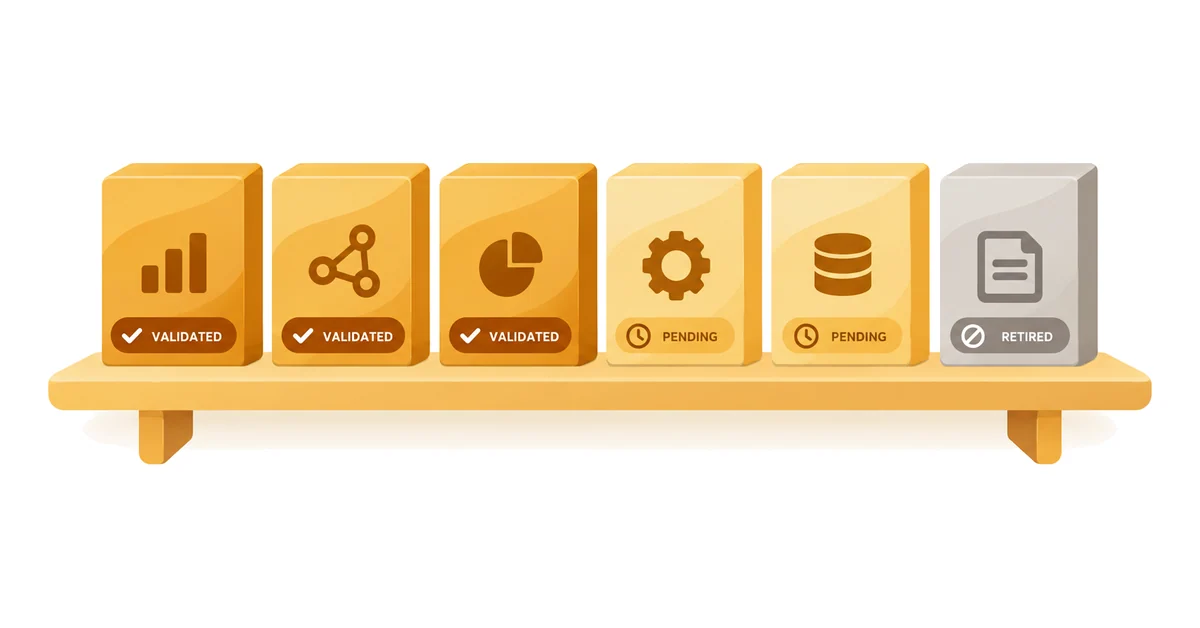
Model inventory and monitoring dashboard with owners, validation status, drift and override rates for each AI system

Model Risk, Privacy and Vendor Controls Your Examiners Can Follow

Each AI system gets an inventory entry, an owner, a validation pack and a monitoring plan. Drift, accuracy and override rates are tracked on a schedule, and anything outside its limits goes back for review before it affects customers.

Customer data is mapped, masked where possible and limited to the people and systems that need it. AI vendors pass through your third-party risk process, with data retention and model training terms checked in writing before contracts are signed.

Financial Services AI Consulting for Your Institution

Where AI pays back first for each type of financial business.

Banks and Credit Unions

Start with AML alert triage, onboarding checks and member service, then add credit decision support once explanations and fairness tests are in place. Strong customer data controls come first, and AI data governance consulting covers lineage, retention and access in depth.

Insurers

Speed up first notice of loss, claims sorting and underwriting file prep, with adjusters and underwriters approving every outcome. For custom pricing or claims models, see AI and machine learning consulting.

Wealth and Asset Managers

Give advisors a copilot for product rules and client meeting prep, and automate document intake for account openings and transfers. Copilots with access to client portfolios need tight permissions, which AI security consulting handles.

Fintech, Lending and Payments

Build KYC, fraud and underwriting features into your product at startup speed, with the controls partner banks expect. Read about fintech AI consulting.

How to Choose a Financial Services AI Consulting Partner

In financial services, a weak partner leaves you with a model your validators won’t sign off and a vendor your risk team can’t approve. Before you sign, ask your financial services AI consulting partner to show you:

  • Real work on fraud, KYC, claims or credit workflows
  • Sample model documentation and validation packs
  • A clear approach to explainability and fairness testing
  • Data maps and vendor risk checks for every tool in scope
  • Monthly monitoring of accuracy, drift and overrides

Also ask how regulatory questions get handled. A good partner follows the general direction of supervisory guidance on model risk, fair lending and explainability, flags open questions early and leaves legal interpretation to your counsel.

What You Can Count On From Your Financial Services AI Partner

  • Price agreement icon

    Fixed Quote Before Work Starts

    You see the full price of your first project up front.

  • Coin icon

    Affordable, Best-in-Class Work

    Full-service, end-to-end consulting sized for a first queue.

  • Single point of contact icon

    Dedicated Account Manager

    One contact who knows your systems, policies and risk teams.

  • Shield icon

    Customer Data Protected

    Data maps, masking, least-privilege access and NDAs on request.

Questions About Financial Services AI Consulting

Where Should a Bank or Insurer Start with AI?

Start with high-volume review work where people already follow written procedures: fraud and AML alert triage, KYC document checks, claims intake and first-notice-of-loss sorting. Each one has a clear queue, a measurable handling time and a human who makes the final call. Your assessment scores every candidate for volume, error cost, customer impact and model risk, so the first project is one your risk and compliance teams can approve without months of debate.

Will AI Make Credit or Claims Decisions on Its Own?

Not unless you decide it should, and most institutions keep a person on every adverse or high-value decision. In a typical setup, AI gathers documents, checks them against policy, summarizes the file and suggests an outcome with the reasons behind it. An underwriter, adjuster or credit officer confirms or overrides. Every override is logged, which gives your model risk team real evidence on how the model performs.

How Do You Handle Model Risk Management?

Each AI system in scope goes into your model inventory with an owner, a stated purpose, its data sources and its known limits. Before launch it’s tested on your own historical cases, and the results are written up in a format your validation team can review independently. After go-live, drift, accuracy and override rates are monitored on a set schedule. The work follows the general shape of model risk guidance that banking supervisors publish, and your second line keeps the final say.

Can You Explain Why a Model Flagged a Customer or Declined an Application?

Yes, and the design starts there. Credit, fraud and pricing models get reason codes or feature-level explanations that a reviewer can read in plain language. For lending, explanations are built to support adverse action notices and fair lending reviews, and models are tested for disparate outcomes across protected groups before anyone relies on them. Your compliance and legal teams decide how those explanations are worded for customers.

Do You Work with Our Core Banking, Policy Admin and CRM Systems?

Yes. Workflows connect to the core banking, loan origination, policy administration, claims and CRM platforms you already run, through vendor APIs, secure file transfers or approved integration tools. Nothing requires a core replacement. Where a legacy system has no API, AI can read its reports or exports, and a new tool is only suggested when the numbers clearly support it.

How Is Customer Data Protected?

Every workflow gets a data map that shows which customer data it touches, where that data lives and who can see it. Access follows least-privilege rules, sensitive fields can be masked before they reach a model, and logs record each step. AI vendors in the plan go through your third-party risk process, with their data retention and training terms checked in writing. NDAs are available on request.

How Much Does Financial Services AI Consulting Cost?

Cost depends on the number of workflows, the systems involved, the validation depth your model risk team needs and how much human review each step keeps. You get a realistic cost range on your free discovery call and a fixed quote after the assessment, with no hidden extras. First projects are scoped small on purpose, so one queue proves its value before the next one starts.

How Do You Keep Up with Changing Regulation?

Regulator expectations on AI keep moving, so no project treats today’s guidance as final. Each workflow documents the rules and policies it depends on, and those are reviewed on a set schedule with your compliance team. When guidance changes, affected workflows are flagged for review. Nothing in a project counts as legal advice, and your counsel confirms how current rules apply to you.

Can AI Help with Regulatory Reporting?

Yes, on the preparation side. AI can pull figures from source systems, reconcile them against the general ledger, flag breaks and draft commentary for recurring reports. Your finance and regulatory reporting teams review every number and sign off before anything is filed. The biggest gain usually comes from fewer manual reconciliations and a clear audit trail behind each figure.

What Support Do We Get After Launch?

Your dedicated account manager reviews performance with you each month, handles fixes and updates workflows when policies, products or systems change. Monitoring reports feed straight into your model risk reviews. Support is available in 5+ languages for teams in different regions, and you receive full documentation and training, so your operations, risk and compliance teams stay in control.

Plan Your First Financial Services AI Workflow With a Free Call

Get a free review of your queues and a clear plan your risk team can approve.

Talk to an Expert for Free

Set Up Your Free Intro Call

Your name is required.
Please use a valid email.
A short subject helps us route your message.
Tell us briefly what you want to achieve.