Skip navigation

Enterprise Generative AI Consulting

Give your employees generative AI that knows your company, follows your data rules and saves time you can measure. You start with a free discovery call and strategy session.

Talk to an Expert for Free
  • Your savings, estimated first
  • No commitment
  • Same-day reply
Trusted in 7 sectors
  • HALVERTON
  • KestrelGROUP
  • norvane
Enterprise generative AI setup with company documents feeding a secure assistant used by employees in several departments
  • Full-service, end-to-end AI consulting
  • 150+ AI use cases scoped
  • 60+ AI agents and workflows built
  • 80+ readiness assessments
  • Trusted in 7 sectors
  • Free discovery call and strategy session
  • One named contact person
  • Multilingual support

What Is Enterprise Generative AI Consulting?

Enterprise generative AI consulting is a service that helps your company put large language models to work for employees and customers, safely and at scale. You get a ranked set of GenAI use cases, assistants grounded in your own documents, a model setup that fits your data terms and budget, and a reliable way to show the time it gives back.

How Generative AI Works Inside Your Company

  1. Use cases get rankedIdeas from each department are scored for time saved, data sensitivity and how costly a wrong answer would be.
  2. Knowledge gets connectedPolicies, manuals, contracts and tickets are indexed with their access rights, so the AI only reads what each user may see.
  3. Models get matchedEach use case runs on a model picked for answer quality, cost per request and the data terms in the vendor contract.
  4. Answers get testedSets of real staff questions score accuracy and sources before launch and again after every model or prompt change.
  5. Result checkmark iconYour staff save time dailyActive users, minutes saved and cost per answer are tracked by team and reported to you every month.

What Enterprise Generative AI Consultants Actually Do

The model is the easy part to buy. The work covers everything around it, from the documents it reads to the report that shows what it saved.

  • GenAI use-case portfolio
  • RAG on your company knowledge
  • Employee copilots by role
  • Model and vendor selection
  • Security, privacy and evaluation
  • Rollout, training and value tracking

What Unplanned Generative AI Costs Your Company

Generative AI spreads fast once staff try it. Without a plan, you pay in licenses, exposed files and answers nobody checked, and still can’t say what it returned.

  • Warning icon1.

    Assistants That Ignore Permissions

    A quick internal chatbot indexes the whole file share, and suddenly anyone can ask about salaries, board notes or a pending deal.

    Real costInternal Data Exposure

    Files reaching people who shouldn’t see them

  • Coin icon2.

    Seats Bought, Seats Unused

    Copilot licenses go out to everyone at once, then usage fades after a few weeks because nobody showed people where it helps.

    Real costIdle Licenses

    Monthly fees for tools few people open

  • Inbox icon3.

    Confident Answers That Are Wrong

    A model with no access to your documents fills gaps with guesses, and staff can’t tell which answer was made up.

    Real costLost Trust

    Teams that stop believing the tool

  • Hourglass icon4.

    Pilots Stuck in Review

    A promising prototype waits for months because legal and security see it for the first time a week before launch.

    Real costDelayed Value

    Good ideas that go stale before go-live

Enterprise Generative AI Consulting Built on Your Own Knowledge

A general model knows the public internet. It doesn’t know your pricing rules, your HR policy or what happened on last year’s biggest account. GenAI earns its keep inside a company once it can reach that knowledge, under the same access rights your systems already enforce.

Your program pairs each use case with the documents and systems it needs, picks a model that fits the risk and the budget, and tests answers against questions your staff really ask. Security, legal and IT review the design early, so approval doesn’t turn into the bottleneck at the end.

What Your Teams Get

  • Ranked GenAI use cases, each with a business owner
  • Answers drawn from your documents, with sources
  • A model setup that fits your data terms
  • Measured time savings per team

Why Generative AI Pays Off Across a Large Workforce

Small savings add up when thousands of people repeat the same tasks. Drafting, searching, summarizing and answering routine questions happen in every department, every day. Pick the tasks with the most volume, ground them in your knowledge and measure the minutes saved before you widen access.

Right for You If You Want To

  • Fast response iconFind answers in company documents in seconds
  • Clock iconCut drafting time for emails, reports and proposals
  • Shield iconKeep confidential files behind the permissions you set
  • Coin iconMatch each task to a model that fits its budget
  • Team skills iconGive each role a copilot built for its daily work
  • Results report iconShow productivity gains in numbers finance accepts

Your Enterprise Generative AI Program, Step by Step

  1. Step 1

    Free Discovery Call

    You describe the GenAI tools already in use, the ideas your departments keep raising and the limits your security and legal teams have set. Your consultant asks about document stores, identity setup and budget, then names the use cases worth testing first.

    A written recap and budget range follow

    Clear enough to forward to IT, security and your business sponsor.

  2. Step 2

    GenAI Assessment

    Use cases are scored for volume, value and risk. Your knowledge sources are checked for quality and permissions, and model options are compared on answer quality, cost per request and contract terms.

    You get a ranked portfolio and a fixed quote

    A first use case, its model setup and one price for the pilot.

  3. Step 3

    Pilot With Evaluation

    The first assistant is built on your data and scored against a set of real staff questions. A pilot group uses it in daily work, and their feedback plus the quality scores decide what changes before wider release.

    You get a tested assistant and a clear go decision

    Quality scores, usage data and measured time savings from the pilot group.

  4. Ongoing

    Rollout and Measurement

    Access widens team by team, with training, usage guidelines and local champions. Your account manager tracks quality, cost and adoption each month and adds the next use cases to the plan.

    You get a monthly productivity report

    Active users, time saved, answer quality and running cost in one view.

What’s Included in Enterprise Generative AI Consulting

Start with one assistant or bring in help for the full program, from portfolio to company-wide rollout.

  • A GenAI Use-Case Portfolio

    Ideas from every department ranked by volume, value and data risk.

  • RAG on Your Company Knowledge

    Documents, wikis and tickets indexed with permissions, and answers that cite sources.

  • Copilots for Employee Roles

    Assistants and prompt templates shaped around sales, support, legal, HR and more.

  • Model Choice You Can Defend

    Closed and open models compared on quality, cost per request and data terms.

  • Security and Quality Checks

    Data protection, access controls, attack tests and evaluation sets before launch.

  • Rollout and Productivity Tracking

    Training, usage guidelines and monthly reports on time saved per team.

AI Use Cases Scoped150+
LLM Integrations Built40+
Generative AI use-case portfolio ranking drafting, knowledge search and summary ideas by value and data risk
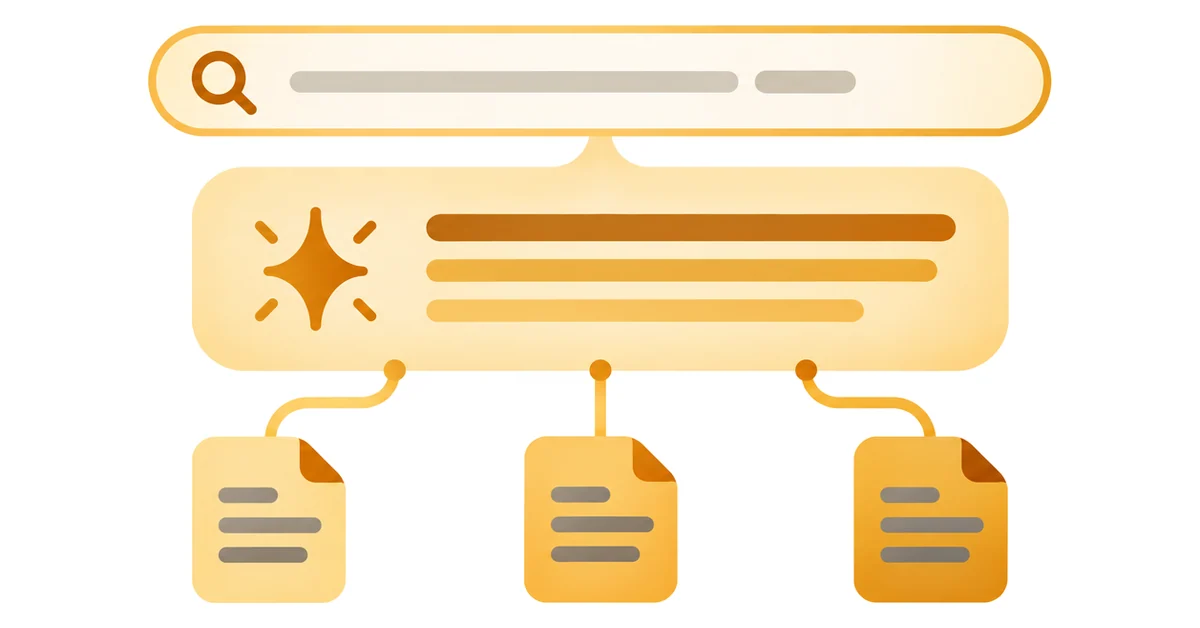
Employee asking a company assistant a question and getting an answer with linked source documents

What Clients Say About Their AI Programs

Live in Production in 9 Weeks

“We had a pilot that never left the sandbox. WiseCrow rebuilt the data pipeline, set up monitoring and gave our engineers clear ownership. Nine weeks later it was running in production, and they still review performance with us every month.”

PR
Priya RamanVP of Engineering, SaaS Platform

1 Call Changed Our Plan

“I expected a sales pitch on the discovery call. Instead they asked sharp questions about our data and told us one project wasn’t worth doing yet. That honesty is why we hired them, and the work since has been thoughtful, fast and well documented.”

HB
Hannah BrooksHead of CX, Healthcare Network

Cut Manual Work by 38%

“WiseCrow mapped our back-office workflows in two weeks and showed us which ones were worth automating first. Their phased plan kept the rollout calm, and we cut manual processing by 38% without adding headcount or disrupting the team we already had.”

MT
Megan TorresOperations Director, Logistics Company

Your Company Before and After Enterprise Generative AI

How everyday knowledge work changes once GenAI is planned and governed.

Before Enterprise GenAI

  • Company files pasted into consumer chatbots
  • Answers buried across wikis, drives and inboxes
  • Every team picking its own AI tool
  • No check on answer accuracy
  • No idea what GenAI saves or costs

After Enterprise GenAI

  • Approved assistants under your own contracts
  • Answers from your documents, with sources linked
  • A short list of approved models and tools
  • Quality scored before and after every change
  • Monthly figures on time saved and cost per answer

Benefits of Enterprise Generative AI Consulting

What changes when GenAI is planned for the whole company.

Clock iconYour People Spend Less Time Searching and Drafting

Knowledge workers lose time hunting for the right document and writing first drafts from a blank page. Grounded assistants find the answer with its source and produce a draft your staff edit and approve.

Shield iconYour Confidential Data Stays Under Your Rules

Approved tools run under contracts and settings your security team signed off. Access follows existing permissions, so a sales rep can’t pull up a board memo by asking a clever question.

Coin iconYou Pay a Fair Price per Answer

A routine summary rarely needs the most expensive model on the market. Smaller models handle high-volume tasks, and premium ones are kept for work where better quality clearly pays.

Chart iconYou Can Prove the Productivity Gain

Each use case gets a baseline before launch and a measured result after. Finance sees time saved, adoption and running cost per team, which keeps the next budget conversation short.

Enterprise Generative AI Consulting Pricing and Value

Your pilot gets a fixed quote after a free GenAI assessment. The table shows the time generative AI can return if each assisted task, like a drafted email, a document summary or an answer found in your knowledge base, saves about 10 minutes, valued at $40 an hour. Treat those figures as a starting assumption. Your pilot measures the real number for your teams.

AI-assisted tasks per weekHours back per weekHours back per yearValue per year
500 83 hrs4,333 hrs$173,333
2,000Usual starting project 333 hrs17,333 hrs$693,333
5,000 833 hrs43,333 hrs$1,733,333

What to Expect Before Your GenAI Program Starts

  • Demo-driven buying

    Use Cases Come Before Vendors

    Your portfolio and data checks come first, so tools get picked for the jobs your teams actually have.

  • Licenses for everyone on day one

    A Measured Pilot First

    A small group tests the first assistant on real work before seats are bought at scale.

  • Security review in launch week

    Security and Legal Involved Early

    Data terms, access rules and risk checks are agreed during design, long before go-live.

  • Vague pricing

    One Price for the Pilot

    After the assessment you see a fixed price for the first use case and decide on rollout with results in hand.

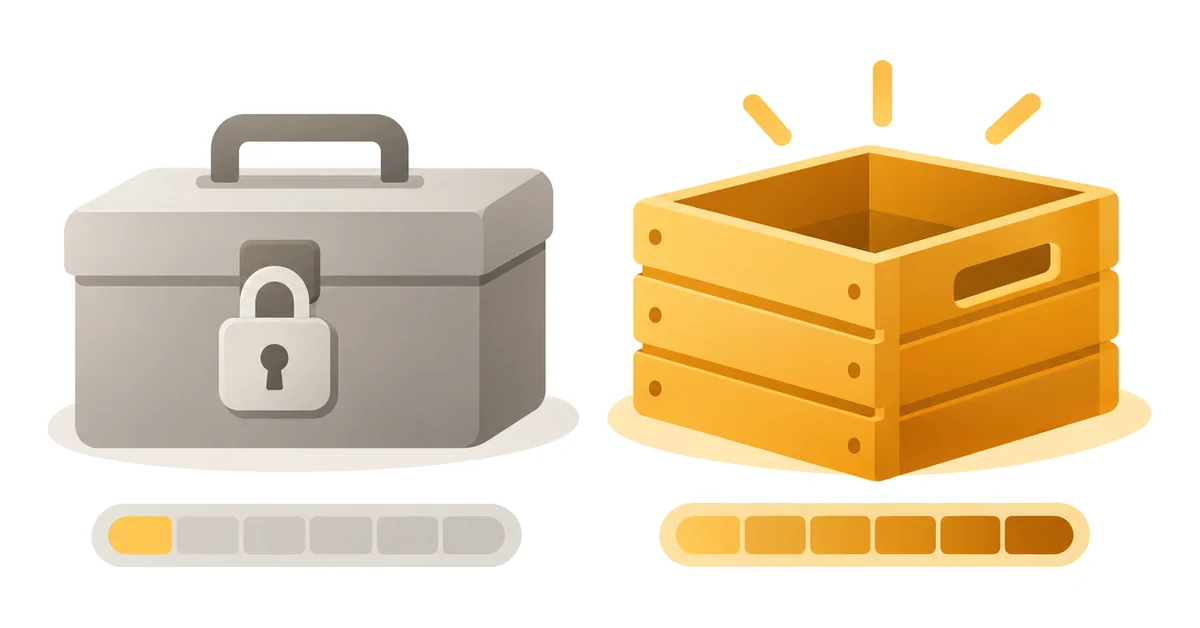
Comparison of closed and open-weight language models on answer quality, cost per request, data terms and hosting

Closed or Open Models, Chosen Use Case by Use Case

Hosted models from the large providers usually lead on quality and need little setup. Open-weight models can run in your own cloud or data center, which gives you more control over data and cost at high volume, though your team carries the hosting and upkeep.

Each use case is tested on a shortlist of models with your own questions. You see answer quality, cost per thousand requests, speed and the vendor’s data terms side by side, including retention, training use and region. Apps call models through one shared layer, so a later switch of provider doesn’t mean rebuilding every assistant.

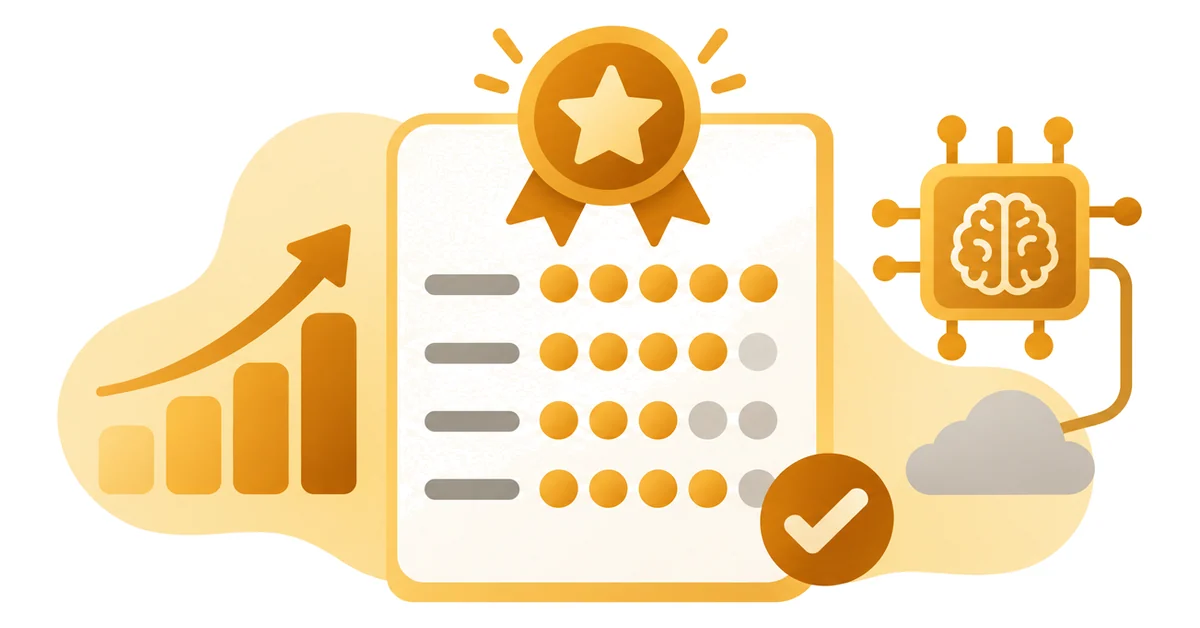
Evaluation dashboard scoring assistant answers for accuracy, source citations and blocked prompt injection attempts

Evaluation and Guardrails That Keep Answers Trustworthy

Staff judge an assistant by its worst confident mistake. Before launch, each one is scored on a test set of real questions with approved answers. The scores cover accuracy, source citations, refusals on off-limits topics and resistance to prompt injection.

The same tests rerun after every model upgrade, prompt edit or new document source. Staff can flag a bad answer in one click, and flagged cases join the next test round. Quality climbs over time, and a regression gets caught before it reaches users.

Enterprise Generative AI Consulting for Your Industry

Where GenAI pays off first in your sector, and the services it connects to.

Financial Services and Insurance

Research summaries, client letters, policy lookups and claims notes make strong first use cases, with full logging and human sign-off on anything client-facing. See financial services AI consulting for sector-specific work.

Healthcare

Admin teams can search payer rules and internal procedures in plain language, and clinicians can review drafted letters and summaries. Patient data needs strict classification first, and AI data governance consulting sets those rules up.

Legal, Consulting and Professional Services

Contract review, research and proposal drafting draw on years of past work, where client confidentiality limits who may see what. Assistants get tested for prompt injection and data leaks through AI security consulting.

Manufacturing and Multi-Site Companies

Service manuals, quality procedures and supplier documents become searchable for technicians and planners across sites and languages. When GenAI is one part of a company-wide change, AI transformation consulting ties it to the bigger plan.
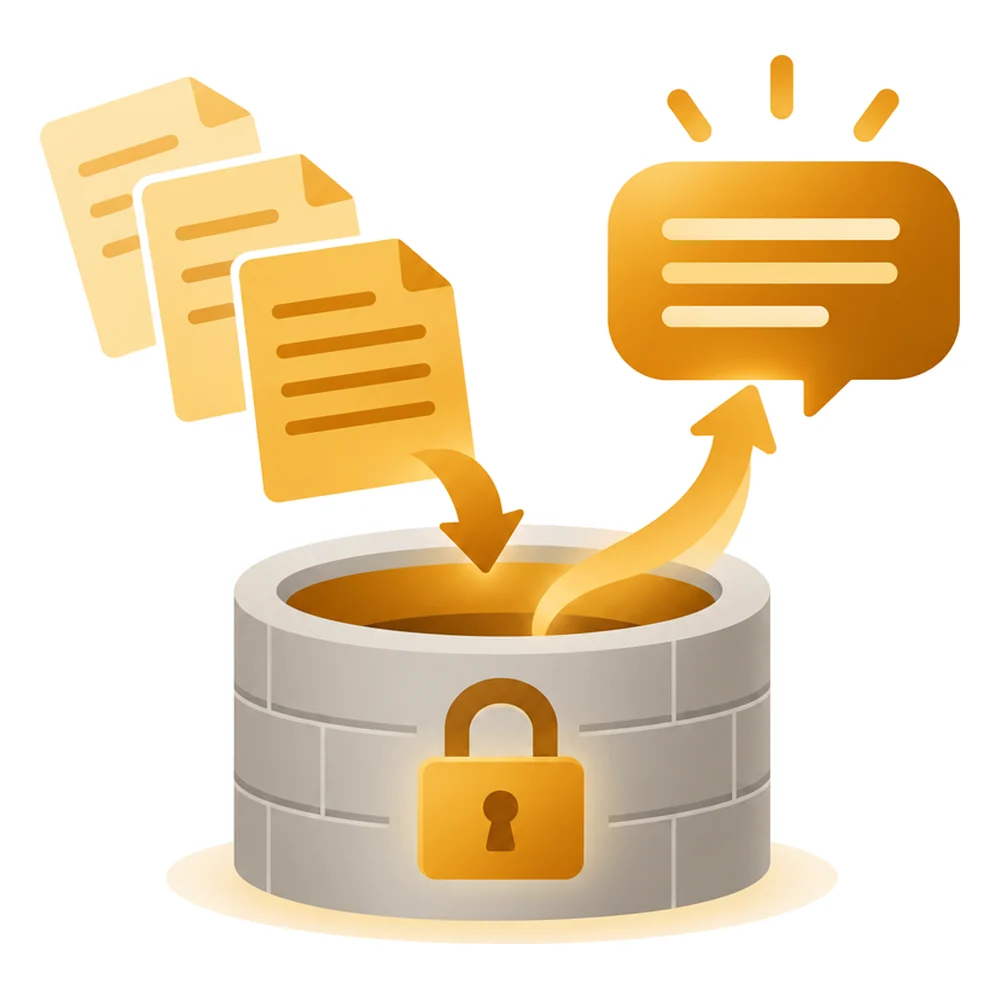
How to Choose an Enterprise Generative AI Consulting Partner

Most vendors can show a polished chatbot demo. Running GenAI for thousands of employees, with real data, real permissions and a real budget, takes a different set of skills. Before you sign, ask your enterprise generative AI consultant to show you:

  • A method for ranking use cases by value and data risk
  • RAG work that respects your existing access rights
  • Model comparisons on quality, cost and contract terms
  • Evaluation sets and attack tests run before launch
  • A rollout plan with training and productivity tracking

Also ask who owns the prompts, indexes and test sets after launch. Your team should hold all of them, with documentation, so you can change models or partners later.

What You Can Count On From Your GenAI Partner

  • Price agreement icon

    Fixed Quote Before the Pilot

    You know the pilot price before any build work starts.

  • Coin icon

    Best-in-Class, Affordable Consulting

    Full-service, end-to-end support for GenAI at company scale.

  • Single point of contact icon

    Dedicated Account Manager

    One contact for your sponsor, IT, security and pilot teams.

  • Shield icon

    Your Data Under Your Rules

    Reviewed data terms, least-privilege access and NDAs on request.

Questions About Enterprise Generative AI Consulting

Should We Buy an Off-the-Shelf Copilot or Build Our Own Assistant?

Often both. Packaged copilots inside your office suite, CRM or helpdesk cover general writing and search for a per-seat fee. A custom assistant makes sense when a task depends on your own documents, a specific workflow or data rules the packaged tool can’t meet. Your assessment sorts each use case into buy, configure or build, with the cost of each option side by side.

What Is RAG and Why Does It Matter for Us?

Retrieval-augmented generation (RAG) lets a model look up passages in your own documents before it answers, then cite them. Answers reflect your current policies and products, and staff can click through to check the source. A good RAG setup also respects permissions, so each person only gets answers from files they’re already allowed to open.

Which Generative AI Use Cases Should We Start With?

Start where many people repeat the same knowledge task every day and a wrong answer is easy to catch. Internal policy search, first drafts of routine documents, meeting and case summaries, and support for service agents are common first picks. Use cases that make decisions about customers or money come later, once your evaluation and review steps have proven themselves.

Closed or Open-Weight Models: Which Should We Use?

It depends on the use case. Closed models from the large providers usually give the best quality for the least setup work. Open-weight models can run in your own environment, which helps with strict data rules or high, steady volumes, though someone has to host and update them. Many companies end up with a mix, and each use case is tested on a shortlist of models before anything is chosen.

Will the AI Provider Train Its Models on Our Data?

It depends on the product and the contract. Business and API terms from major providers often exclude training on your inputs by default, while consumer versions may not. Retention periods, logging, data region and subprocessors differ too. Every contract and admin setting is reviewed before rollout, and the approved setup goes into your AI usage policy.

How Do You Stop the AI from Making Things Up?

No setup removes hallucinations completely. The goal is to make them rare and easy to spot. Answers are grounded in your documents with sources shown, the assistant is told to say when it doesn’t know, and a test set of real questions scores accuracy before launch. Anything high-stakes, like text sent to a client, keeps a human review step.

How Long Does an Enterprise GenAI Program Take?

It depends on your data, your security review process and how many use cases you want live. You get a timeline with your ranked portfolio after the assessment. The first pilot runs with a small group, and wider rollout follows once quality and time savings meet the targets you set together.

How Much Does Enterprise Generative AI Consulting Cost?

Cost depends on the number of use cases, data sources and integrations, and on how much you want built versus advised. You get a cost range on the free discovery call and a fixed quote for the pilot after the assessment. Model usage and license fees are estimated per month on their own line, so you see running costs before you commit.

How Do You Measure the Productivity Value of GenAI?

Each use case gets a baseline before launch, such as minutes per draft, time to find an answer or cases closed per agent. After rollout, the same numbers are measured for active users and, where possible, compared with a group that works without the assistant. You get time saved, quality scores and cost per answer by team, so the value case rests on measured work.

Who Maintains the Assistants After Launch?

Your team owns the prompts, indexes, test sets and integrations, with full documentation and hands-on training. Your dedicated account manager reviews quality, usage and cost with you each month, plans model upgrades and adds new use cases as teams ask for them. Help is available in 5+ languages for staff outside the US.

Plan Your Enterprise GenAI Program With a Free Strategy Session

Book a free call and leave with the first use cases worth testing.

Talk to an Expert for Free

Set Up Your Free Intro Call

Your name is required.
Please use a valid email.
A short subject helps us route your message.
Tell us briefly what you want to achieve.