Where Should a Healthcare Organization Start with AI?
Most organizations get the fastest, safest return from administrative work: prior authorization paperwork, claim status checks, referral intake, appointment reminders and denial follow-up. These tasks are high in volume, follow clear payer or internal rules and sit away from clinical decisions. Your assessment scores each candidate for volume, rework cost, data sensitivity and patient impact, so your first project is one your compliance team can approve and your staff will actually use.
Does AI Make Clinical Decisions for Our Doctors and Nurses?
No. The workflows in scope support people and never replace clinical judgment. An ambient scribe drafts a note, and the clinician reviews, edits and signs it. A coding assistant suggests codes, and a certified coder confirms them. Anything that touches diagnosis or treatment stays with licensed staff, and each workflow records who approved what, so accountability is always clear.
How Do You Handle HIPAA and Protected Health Information?
PHI handling is designed in from the first workshop. Each workflow gets a data map showing which PHI it uses, where it’s stored and who can see it, following the minimum necessary idea from the HIPAA Privacy Rule. Vendors that create, receive, maintain or transmit PHI for you need a business associate agreement before they touch real data. Your privacy officer and legal counsel make the final calls, and nothing here is legal advice.
Will You Sign a Business Associate Agreement?
If the work involves access to your PHI, a BAA is part of the setup, and the terms are agreed with your compliance team before any data is shared. Many projects can start on de-identified or synthetic data, so design and testing move forward while contracts are reviewed. Every AI vendor in the plan is also checked for its own BAA and data use terms.
Is Our AI Tool Regulated by the FDA?
It depends on what the software does. Under the FD&C Act, as amended by the 21st Century Cures Act, software that only supports the administrative side of a health care facility, such as scheduling or billing, generally isn’t a medical device. Some clinical software that analyzes patient data to inform diagnosis or treatment can fall under FDA oversight. Your project flags any function that may need a regulatory review, and your regulatory or legal advisors confirm the status for your specific product.
Do You Work with Our EHR and Practice Management System?
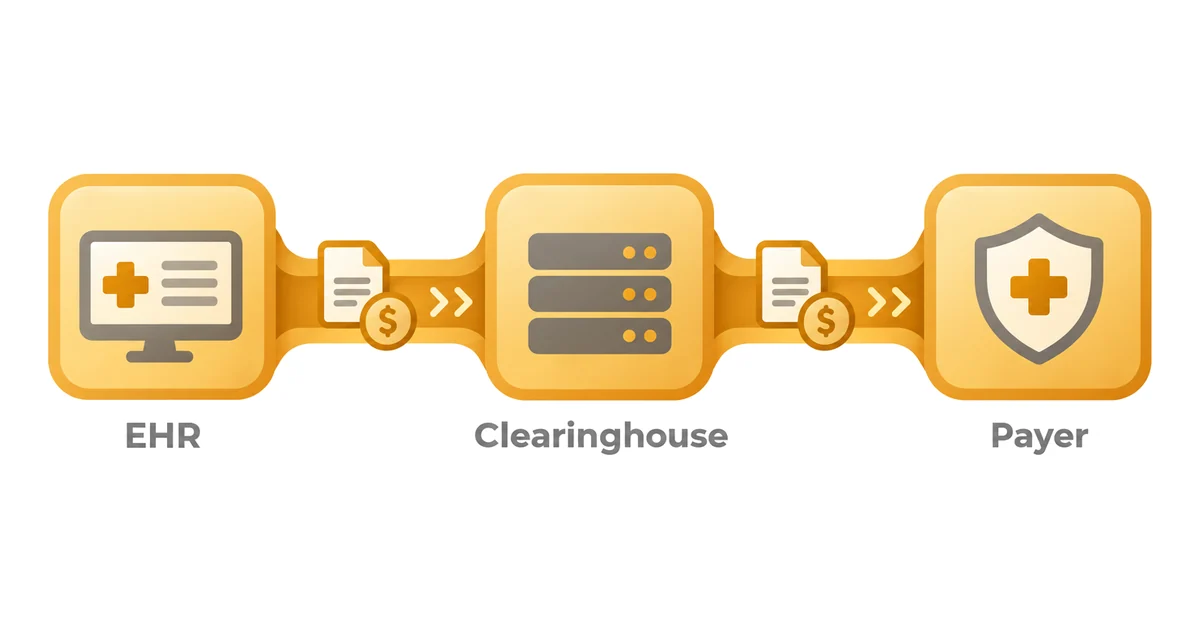
Yes. Workflows connect to the EHR, practice management, clearinghouse and payer portals you already use, through supported APIs, FHIR or HL7 interfaces where they exist, and approved integration tools where they don’t. Nothing requires you to replace your core systems. Any new tool is recommended only when the numbers clearly support it, and you see that reasoning in writing first.
How Much Does Healthcare AI Consulting Cost?
Cost depends on the number of workflows, the systems involved, the PHI controls needed and how much human review each step requires. You get a realistic cost range on your free discovery call and a fixed quote after the assessment, with no hidden extras. First projects are kept deliberately small, so you can prove value in one department before you expand.
Can AI Help with Prior Authorization?
Yes, on the administrative side. AI can check which services need authorization for a given plan, gather the clinical documentation the payer asks for, prefill request forms and track status so nothing sits unanswered. A staff member reviews each packet before it goes out, and clinical judgment about medical necessity stays with your clinicians. Payer rules change often, so the rules behind each workflow are reviewed on a set schedule.
How Do You Check AI for Bias and Accuracy?
Before launch, each model or prompt is tested on a sample of your own cases, including different patient groups, languages and payers, and the results are compared with what your staff decided. After go-live, error rates and overrides are tracked every month. If accuracy drops for any group, the workflow goes back to human-only handling for that case type until the cause is fixed.
What Support Do We Get After Launch?
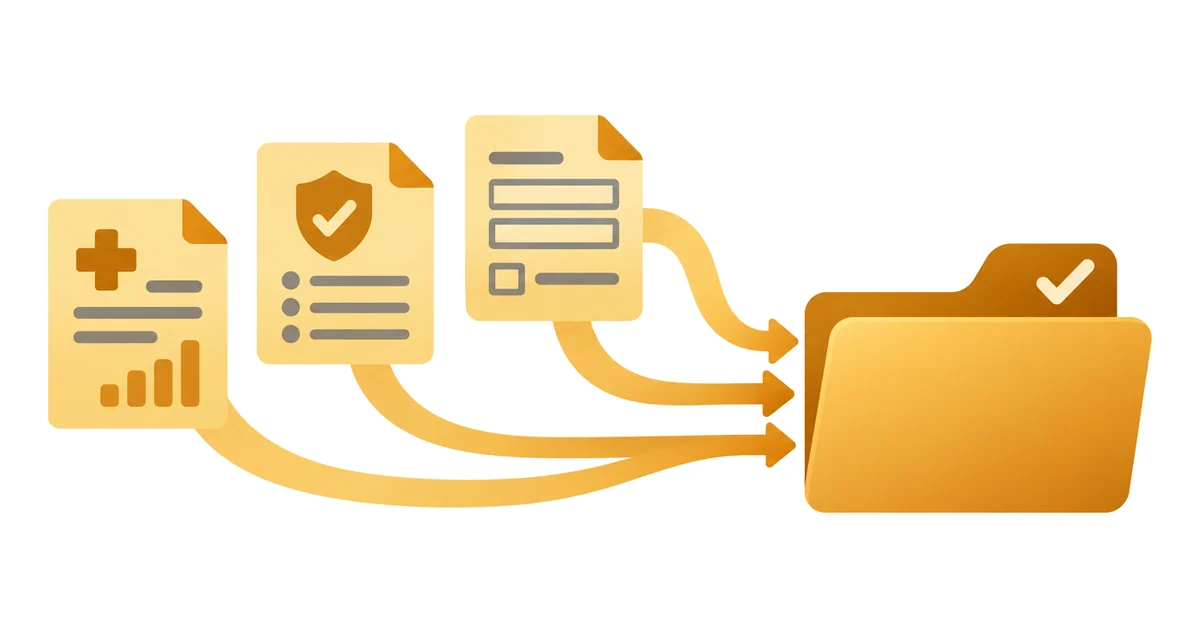
Your dedicated account manager reviews results each month, handles fixes and updates workflows when payer rules, templates or systems change. Support is available in 5+ languages for teams in different regions. You also get full documentation, audit logs and training, so your revenue cycle, access and compliance teams stay in control of every workflow.
 Your teams get time back


 Your Compliance Team Sees Everything