Skip navigation

Retail AI Consulting

Keep the right stock on your shelves, price with less guesswork and staff your stores to match real traffic, with AI built on your own sales data. You start with a free discovery call and strategy session.

Talk to an Expert for Free
  • Your savings, estimated first
  • No commitment
  • Same-day reply
Trusted in 7 sectors
  • HALVERTON
  • KestrelGROUP
  • norvane
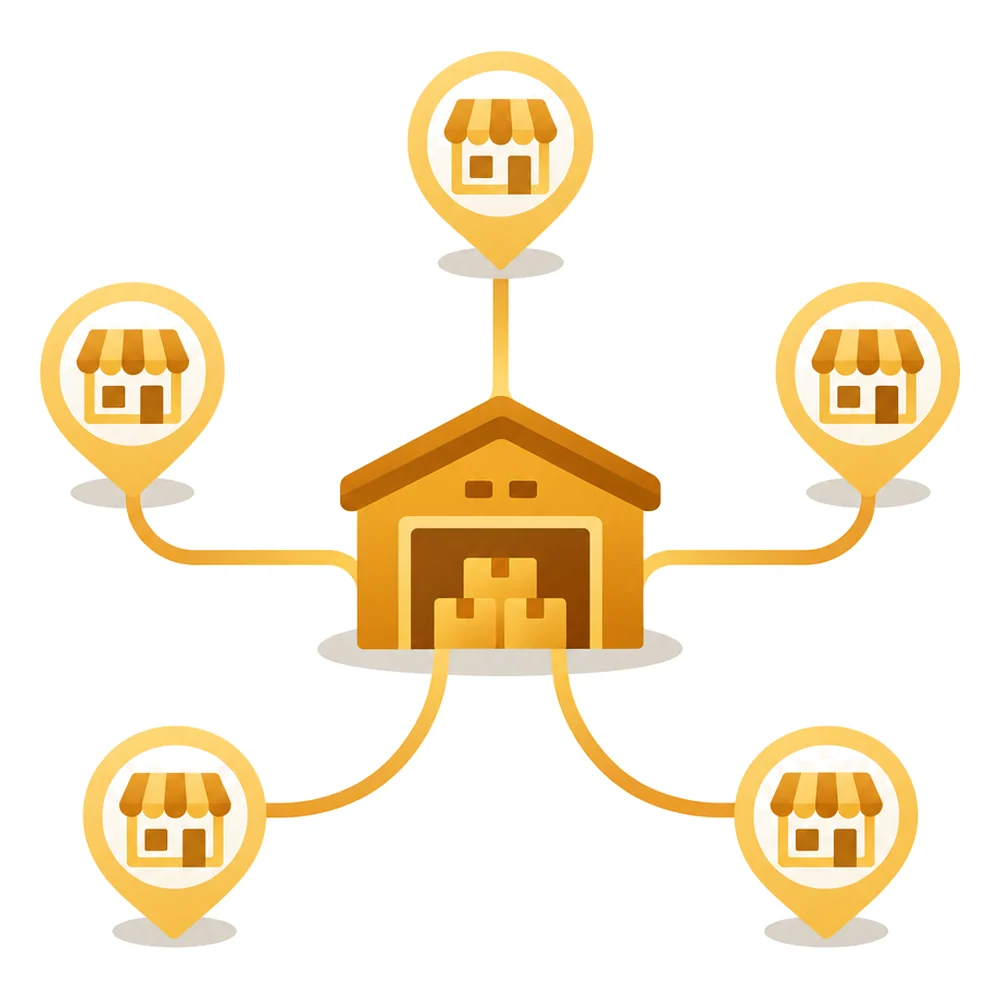
Retail AI layers over a store network: demand forecasts, replenishment, markdown suggestions and staff schedules feeding each store
  • Full-service, end-to-end AI consulting
  • 150+ AI use cases scoped
  • 60+ AI agents and workflows built
  • 80+ readiness assessments
  • Trusted in 7 sectors
  • Free discovery call and strategy session
  • One named contact person
  • Multilingual support

What Is Retail AI Consulting?

Retail AI consulting is a service that helps store chains and omnichannel retailers use AI on the decisions they make every day: what to order, where to send it, when to mark it down and how many people to schedule. You get forecasts and recommendations built on your POS, inventory and loyalty data, with your planners and store managers approving the calls that matter.

How AI Fits Into Your Stores and Supply Chain

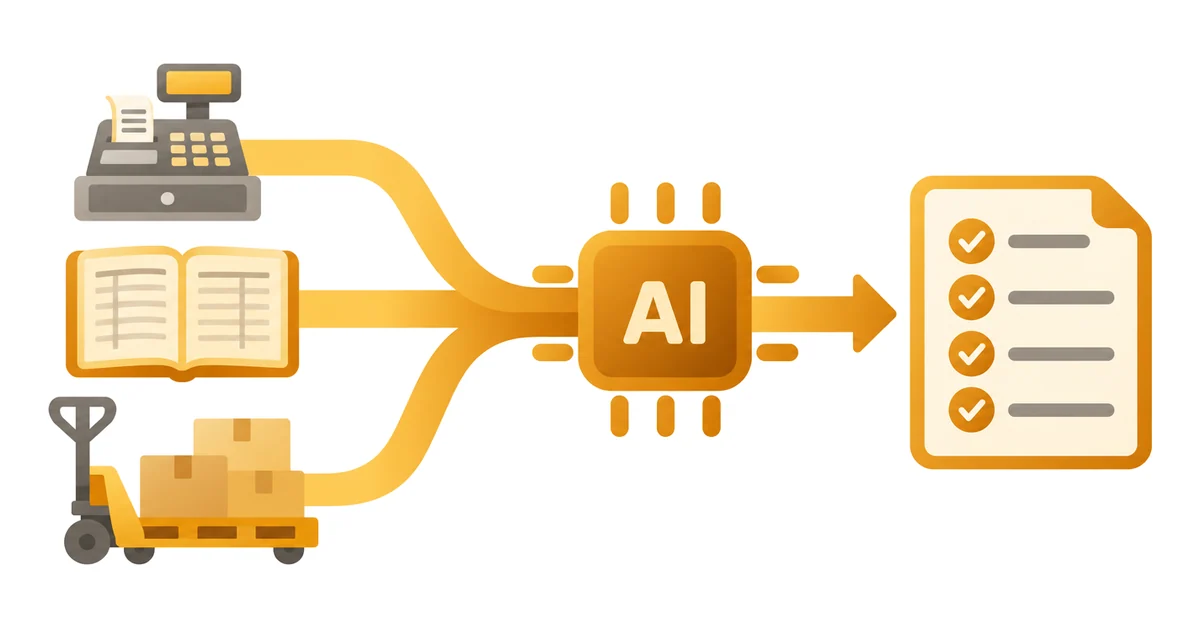
  1. Sales and stock data flow inPOS transactions, stock counts, deliveries, online orders and loyalty activity arrive from the systems you run today.
  2. AI spots the patternsModels read demand by store, SKU and day, and factor in season, weather, local events and planned promotions.
  3. Suggestions reach your teamPlanners see order quantities, buyers see markdown timing and store managers see shift plans inside their usual screens.
  4. People approve and adjustYour team accepts, edits or rejects each suggestion, and those choices feed back into the next forecast.
  5. Result checkmark iconShelves, margins and rotas improveIn-stock rates, waste, markdown spend and labor hours are compared with pilot baselines and reported every month.

What Retail AI Consultants Actually Do

You get one partner who understands merchandising, store operations and the data behind them, so models end up in weekly use.

  • Demand forecasting and replenishment
  • Pricing, promotion and markdown support
  • Assortment and space planning
  • Labor forecasting and store scheduling
  • Loss prevention analytics
  • POS, ERP and WMS integration

What Guesswork Costs Your Stores Every Season

Retail runs on thousands of small calls a week. When they rest on spreadsheets and gut feel, the losses add up quietly, one empty shelf and one late markdown at a time.

  • Warning icon1.

    Empty Shelves on Best Sellers

    Orders based on last year’s averages miss local spikes, so popular items sell out and shoppers walk to a competitor.

    Real costLost Sales

    Revenue that never reaches the till

  • Coin icon2.

    Overstock and Deep Markdowns

    Slow lines sit in the back room until the only option is a steep discount, or the bin for fresh goods, and margin disappears at clearance.

    Real costMargin Erosion

    Profit given away to clear stock

  • Team skills icon3.

    Rotas That Miss the Rush

    Schedules copied from last month leave stores short at peak hours and overstaffed when traffic is quiet, which hurts service and payroll at once.

    Real costWasted Labor

    Hours paid where they aren’t needed

  • Shield icon4.

    Shrink Found Too Late

    Odd refunds, voids and stock adjustments hide in daily data, and most are spotted only after the quarterly count.

    Real costUnexplained Loss

    Stock gone with no clear cause

Retail AI Consulting Shaped Around Your Merchandising Calendar

Retail AI projects often stumble on timing. A model goes live two weeks before peak, planners don’t trust it yet, and everyone falls back to spreadsheets. Your project is planned around resets, promotions and holiday freezes, so new tools reach people when they have time to learn them.

Use cases are picked by margin impact and data readiness. Forecasting and replenishment often go first because the results show up in weeks. Pricing, assortment and personalization follow once the product and sales data behind them are in shape.

What Your Teams Can Expect

  • Use cases ranked by margin impact and data quality
  • Pilots measured against control stores
  • Planners and store managers approving suggestions
  • Monthly reports on in-stock, waste and labor

Why Retailers Get the Quickest Return From Planning Decisions

Chatbots and virtual try-ons get the attention, yet the steady gains in retail tend to come from the plain weekly decisions: how much to order, when to cut a price and how many people each store needs on Saturday. Those choices repeat thousands of times, so even a small improvement compounds. Prove it in a few categories or pilot stores, then roll it out.

Right for You If You Want To

  • Target iconForecast demand by store, SKU and day with fewer misses
  • Coin iconTime markdowns and promotions to protect your margin
  • Team skills iconMatch staff schedules to real traffic in each store
  • Shield iconFlag unusual refunds, voids and stock adjustments early
  • Single point of contact iconGive store associates customer history for better clienteling
  • Results report iconSee stock, sales and labor for every store in one view

Your Retail AI Project, From First Call to Rollout

  1. Step 1

    Free Discovery Call

    You talk through the decisions that cost you most today, from stockouts to overtime. Your consultant asks about your store count, channels, systems and planning calendar, and points to the use cases most likely to pay off first.

    A written recap and budget range follow

    Easy to share with merchandising, operations and finance before anything is decided.

  2. Step 2

    Data and Use Case Assessment

    Your sales, inventory and product data are checked for gaps like phantom stock and missing stockout flags. Each use case is scored for margin impact, data readiness, store disruption and effort.

    You get a ranked roadmap and a fixed quote

    Priorities, pilot stores or categories, success metrics and one set price for the first project.

  3. Step 3

    Pilot in Selected Stores

    Models are built, connected to your systems and run in pilot stores or categories next to a control group. Planners and managers review every suggestion and give feedback that shapes the next version.

    You get measured pilot results

    A side-by-side comparison with control stores, plus documentation and training for the people who use it.

  4. Ongoing

    Roll Out and Retune

    Proven use cases expand store by store, timed around your resets and peak periods. Your account manager tracks accuracy each month and retunes models when demand patterns shift.

    You get a monthly retail performance report

    Forecast accuracy, in-stock rates, markdown spend and labor hours in one place, with support when you need it.

What’s Included in Retail AI Consulting

Pick one use case or bring in support across planning, pricing and store operations.

  • Forecasting and Replenishment

    Store and SKU-level demand forecasts that drive order and allocation suggestions.

  • Pricing and Markdown Support

    Price, promotion and clearance suggestions with guardrails your category managers set.

  • Assortment and Space Insight

    Which items earn their shelf space in each store cluster, and which ones don’t.

  • Store Labor Planning

    Hourly traffic forecasts turned into schedules that respect your rules and labor laws.

  • Product Data and Personalization

    Cleaner product attributes, plus offers and clienteling tips based on loyalty history.

  • Training, Monitoring and Retuning

    Short sessions for planners and store teams, plus monthly accuracy reviews.

Readiness Assessments80+
AI Use Cases Scoped150+
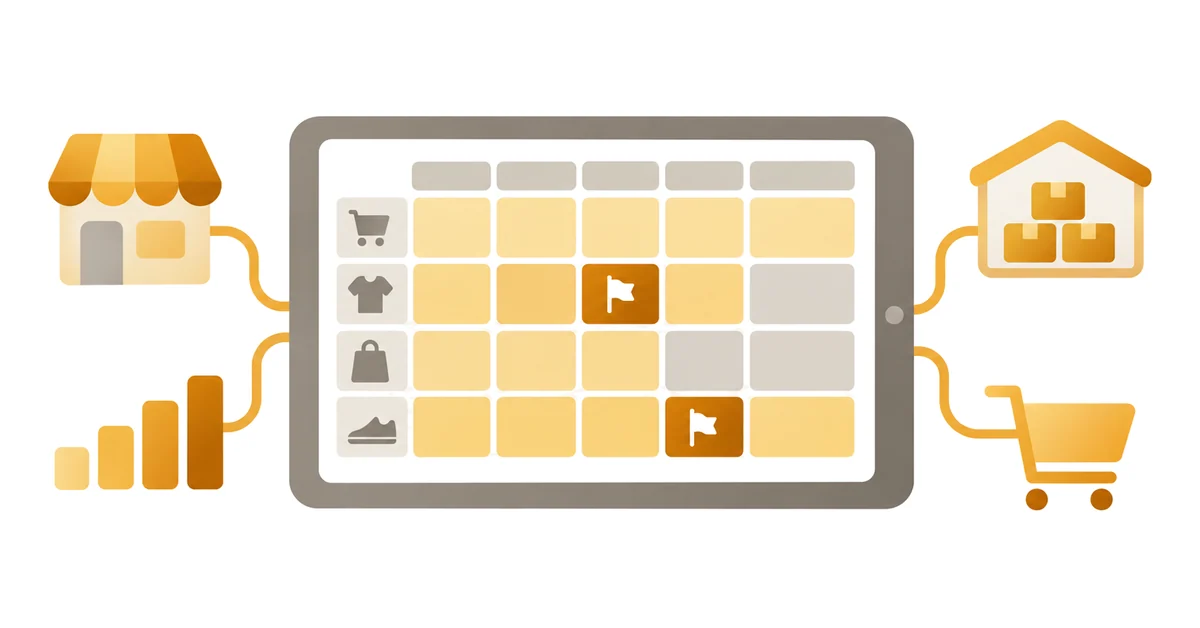
Store and SKU demand forecast chart with suggested reorder quantities waiting for planner approval
Markdown planning screen showing suggested discounts and expected sell-through for a seasonal line

Client Feedback on Planning, Rollout and Results

20 Hours Back Every Week

“They trained our team instead of hiding the work behind a black box. Our analysts now get about twenty hours back each week, and we understand every model and workflow they set up. It feels like a capability we own, not a tool we rent.”

CW
Chris WhitfieldFounder, Ecommerce Brand

Cut Manual Work by 38%

“WiseCrow mapped our back-office workflows in two weeks and showed us which ones were worth automating first. Their phased plan kept the rollout calm, and we cut manual processing by 38% without adding headcount or disrupting the team we already had.”

MT
Megan TorresOperations Director, Logistics Company

Board Approval in 30 Days

“Our leadership needed a business case they could trust. WiseCrow built the roadmap, the budget and the risk controls in plain language. The board approved it in thirty days, and our account manager made every handoff with IT painless.”

EN
Elena NovakCFO, Manufacturing Group

Your Store Operations Before and After AI

How the weekly routine changes once planners and managers get suggestions they can trust.

Before Retail AI

  • Orders copied from last year’s numbers
  • Markdowns decided late, all at once
  • Shift plans built by hand in each store
  • Shrink spotted at the quarterly count
  • Loyalty data unused on the shop floor

After Retail AI

  • Reorder suggestions per store and SKU
  • Markdown timing planned by sell-through
  • Schedules drafted from hourly traffic forecasts
  • Unusual refunds and adjustments flagged daily
  • Associates see purchase history and next-best items

Benefits of Retail AI Consulting for Your Business

What changes for your shelves, your margin and your store teams.

Target iconYour Shelves Hold What Shoppers Want

Store-level forecasts catch local demand that chain averages miss, such as a school term starting or a heatwave in one region. Replenishment follows the forecast, so fast sellers stay on the shelf and slow lines stop piling up in the back room.

Coin iconYou Keep More Margin at Clearance

Markdown suggestions start earlier and smaller, based on how each line is actually selling. Fewer items reach the final deep cut, and fresh categories send less to waste.

Clock iconYour Store Managers Get Time Back

Drafted schedules, prefilled orders and clear exception lists take hours of admin off each manager’s week. They spend that time on the floor, with staff and customers.

Plug iconYour Channels Share One View of Stock

When POS, ERP, WMS and online orders feed the same models, buy online, pick up in store and ship-from-store promises rest on real stock levels. Fewer orders get cancelled because an item wasn’t where the system said it was.
Retail AI Consulting Pricing and Return

Your first project gets a fixed quote after a free assessment. The table assumes AI saves about four minutes on each routine SKU or store task, such as checking a reorder quantity, reviewing a markdown or adjusting a shift, valued at $25 an hour. Treat it as a rough guide and test it against your own volumes and wage rates during the assessment.

SKU or store tasks per weekHours back per weekHours back per yearValue per year
300 20 hrs1,040 hrs$26,000
750Usual starting project 50 hrs2,600 hrs$65,000
1,500 100 hrs5,200 hrs$130,000

How Your Retail AI Project Gets Off the Ground

  • Go-lives right before peak

    Launches Timed to Your Calendar

    Pilots start in quieter weeks, so teams learn the tools before holiday or back-to-school demand hits.

  • Results judged on a hunch

    Control Stores From Day One

    Every pilot is compared with similar stores that kept the old process, using metrics agreed up front.

  • Models nobody on the floor trusts

    Store Teams in the Design

    Planners and managers test early versions and shape what the suggestions look like on screen.

  • Open-ended project fees

    A Fixed Quote After the Assessment

    You know the price of your first project before work starts, with no hidden extras.

POS, ERP and warehouse systems feeding one retail AI layer that returns order, allocation and price suggestions

Forecasting, Replenishment and Pricing Connected to Your POS, ERP and WMS

Your POS, ERP, warehouse and workforce systems stay where they are. AI reads sales, stock and delivery data from them and writes order quantities, allocations and price suggestions back to the screens your planners already use.

Product data gets attention too. Missing attributes, inconsistent sizes and duplicate items weaken every forecast and every search result, so cleanup of the product master is often part of the first phase, with AI filling gaps for a person to confirm.

Store manager tablet showing a drafted weekly schedule, flagged refund exceptions and customer notes for clienteling

Store Operations, Loss Prevention and Clienteling With People in Charge

Store managers get drafted schedules, task lists and a short daily list of exceptions, such as refunds or stock adjustments that look out of pattern. Every flag goes to a person who decides what happens next, with the transactions behind it attached.

On the sales floor, associates can see a loyalty member’s past purchases and suggested items, so service feels personal without guesswork. Customer service teams get draft answers for order and return questions, checked against your policies before they’re sent.

Retail AI Consulting Alongside Related Services

The services retailers most often pair with store-focused AI work.

Online Store and Marketplace Sales

If a large share of your revenue comes through your website and marketplaces, look at product search, recommendations and order automation for those channels. Explore ecommerce AI consulting.

Promotions, Loyalty and Campaigns

Turn loyalty and purchase history into segments, local offers and seasonal campaigns that drive store visits. See AI marketing consulting.

Sales, Stock and Product Data Foundations

Plan how store, product and customer data gets collected, cleaned and shared, so every model draws on the same numbers. Learn more about AI data strategy consulting.

Shopper and Associate Assistants

Answer questions on store hours, stock, returns and pickup by chat or voice, and help staff find policies quickly. Read about conversational AI consulting.

How to Choose a Retail AI Consulting Partner

Retail punishes slow learners. A partner who doesn’t know the difference between a forecast and an allocation, or who plans a launch in your busiest month, will cost you a season. Before you sign, ask your retail AI consulting partner to show you:

  • Hands-on work with POS, ERP, WMS and workforce data
  • A pilot design with control stores and agreed metrics
  • Guardrails on prices, orders and discounts that you set
  • A rollout plan built around resets, promotions and peak
  • Monthly reporting on forecast accuracy, waste and labor

Also ask how the models get retuned after launch. Shopper behavior shifts with seasons, new stores and competitor moves, and a model left alone for a year drifts away from reality.

What You Can Count On From Your Retail AI Partner

  • Price agreement icon

    Fixed Quote Before Work Starts

    The price of your first project is clear before any build.

  • Coin icon

    Affordable, Best-in-Class Work

    Full-service, end-to-end consulting sized for a pilot.

  • Single point of contact icon

    Dedicated Account Manager

    One contact who knows your stores, systems and calendar.

  • Shield icon

    Shopper Data Protected

    Data maps, least-privilege access and consent choices respected.

Questions About Retail AI Consulting

Where Should a Retailer Start with AI?

Start where your data is already decent and the decision repeats every week. For most chains that means store-level demand forecasts and reorder suggestions, markdown timing on seasonal lines, or labor schedules built from traffic patterns. Each of these has a clear before-and-after number, such as lost sales from empty shelves or overtime hours. Your assessment scores every idea for value, data quality and store impact, so the first project is one your planners and store managers will trust.

Do We Need Clean Data Before AI Can Help?

Data that’s good enough for one decision will do. Two or three years of POS sales by store and SKU, current stock positions and a product master usually get a forecasting project started. The assessment checks gaps like phantom inventory, missing stockout flags and duplicate items, and fixes the ones that would distort results. Bigger cleanup work goes on the roadmap and runs alongside the first project.

Will AI Set Our Prices or Orders on Its Own?

Only as far as you allow. Most retailers begin with AI suggesting orders, markdowns or price changes, and a planner or category manager approving them. Once accuracy is proven on a category, you can let small, low-risk changes go through automatically within limits you set, such as a maximum discount or a cap on order quantity. Larger moves and anything outside those limits still reach a person.

Does Retail AI Work with Our POS, ERP and WMS?

Yes. Projects connect to the POS, ERP, warehouse, workforce management and loyalty systems you already run, through vendor APIs, data exports or integration tools. Forecasts and suggestions are written back into the screens your planners and store teams already use. New software is recommended only when the numbers clearly support it, and you see that case in writing before any purchase.

Can AI Help with Loss Prevention Without Upsetting Shoppers?

It can, if the design is careful. The most useful work usually sits behind the counter: spotting unusual refunds, voids and discount patterns in POS data, and flagging stores where inventory adjustments don’t match sales. Camera-based tools raise privacy, consent and fairness questions, and local rules differ, so those are reviewed with your legal and HR teams before anything goes live. People always decide what happens next.

How Is Store Staff Scheduling Handled?

AI forecasts traffic and workload for each store by hour, using sales history, events, weather and promotions, then suggests shifts that match. Your scheduling rules, labor laws, employee availability and fair workweek requirements where they apply are built in as hard limits. Store managers review and adjust the schedule before it’s published, so local knowledge still counts.

How Much Does Retail AI Consulting Cost?

Cost depends on the number of stores and categories in scope, the systems involved and how much review each decision needs. You get a realistic cost range on your free discovery call and a fixed quote after the assessment, with no hidden extras. First projects are usually limited to a few categories or a group of pilot stores, so you can measure results before rolling out.

How Do You Prove a Pilot Really Worked?

Each pilot runs in a set of test stores or categories and is compared with similar control stores over the same weeks. Metrics are agreed before launch, such as in-stock rate, sell-through, markdown spend, waste or labor hours per sale. Seasonality and promotions are accounted for in the comparison, so a busy month doesn’t get mistaken for an AI win.

What About Shopper Data and Privacy?

Personalization and clienteling use loyalty and purchase data, so each workflow gets a data map showing what it uses, where it’s stored and who can see it. Opt-outs and consent choices are respected in every model and message. Your privacy and legal teams review the setup against the rules that apply in your states and countries, and nothing here counts as legal advice.

What Support Do We Get After Rollout?

Your dedicated account manager reviews results each month, retrains models when patterns shift and adjusts rules before peak season and major resets. Support is available in 5+ languages for store teams in different regions. You also get documentation and short training for planners, buyers and store managers, so the knowledge stays inside your business.

Plan Your First Retail AI Pilot With a Free Call

Get a free review of your stores and data, plus a clear plan for your first pilot.

Talk to an Expert for Free

Set Up Your Free Intro Call

Your name is required.
Please use a valid email.
A short subject helps us route your message.
Tell us briefly what you want to achieve.