Summary
- Semrush, Ahrefs and SE Ranking cover research, audits and rank tracking in one plan, and all three now offer AI visibility tracking.
- Surfer, Clearscope and Frase help writers cover a topic fully, as long as you treat the score as a guide and edit for readers.
- Screaming Frog and Sitebulb are still the go-to crawlers for technical audits, and both now connect to AI models.
- Start AI search tracking with Otterly.AI or Peec AI, and move to Profound or Conductor once someone owns AI visibility full time.
The Best AI SEO Tools at a Glance
| Tool | Category | Paid from | Best for |
|---|---|---|---|
| 1. Semrush | All-in-one SEO suite | $139/mo | One login for most SEO jobs |
| 2. Ahrefs | All-in-one SEO suite | $29/mo | Backlinks and competitor research |
| 3. SE Ranking | All-in-one SEO suite | $129/mo | Small teams and agencies |
| 4. Surfer | Content optimization | $49/mo, yearly | Writers optimizing drafts |
| 5. Screaming Frog | Technical crawler | Free to 500 URLs | Deep technical audits |
| 6. Clearscope | Content optimization | $129/mo | Editorial content teams |
| 7. Frase | Content and AI visibility | $39/mo, yearly | Briefs on a small budget |
| 8. Sitebulb | Technical audits | $18/mo (Lite) | Audits clients can read |
| 9. Peec AI | AI visibility tracking | $95/mo | Brand share in AI answers |
| 10. Profound | AI visibility platform | Custom quote | Enterprise AI search teams |
| 11. Otterly.AI | AI visibility tracking | $29/mo | A low-cost first tracker |
| 12. Conductor | Enterprise SEO and AEO | Custom quote | Large sites, many teams |
The 12 Best AI SEO Tools, Ranked
I ranked these tools by how much of your SEO work one subscription covers: all-in-one suites first, then content and audit specialists, then trackers built only for AI search, with Conductor’s enterprise platform last. One lesson from my AI SEO consulting work shaped the order. Most sites gain more from fixing what a crawler already found than from adding a fifth subscription.
Semrush
The Broadest Single Subscription for Keyword Research, Audits and AI Visibility
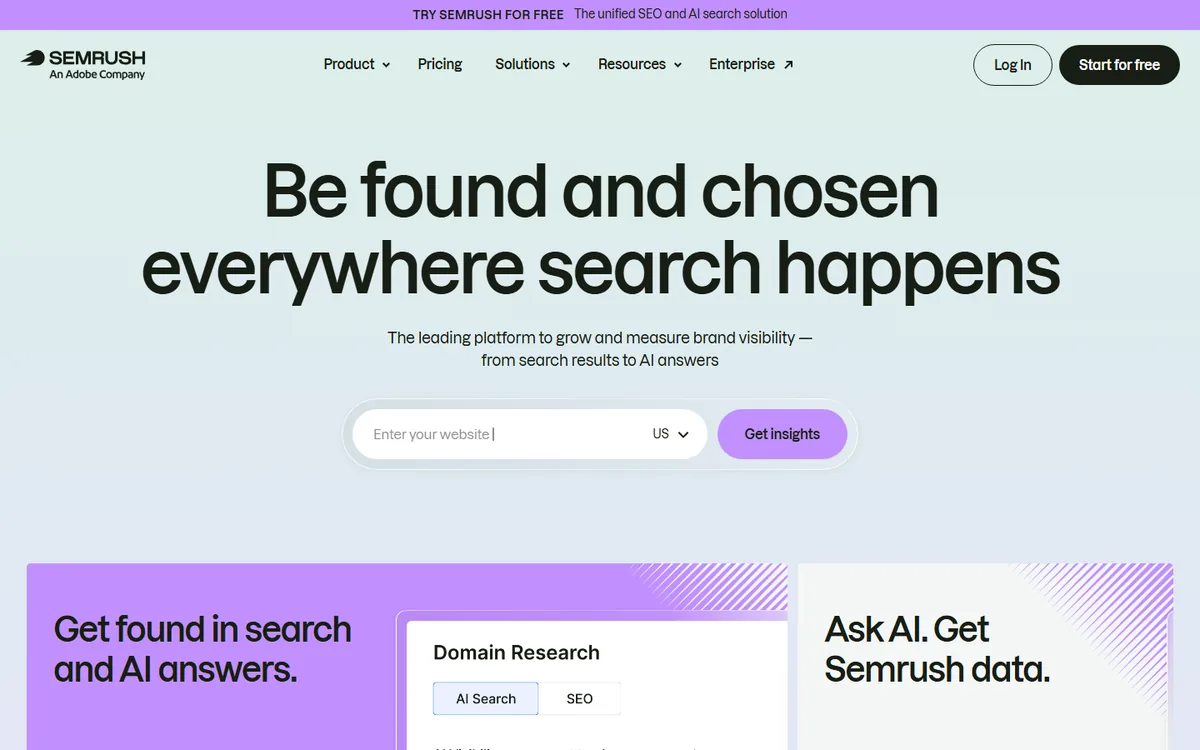
Semrush covers keyword research, backlinks, site audits, rank tracking and content, and Semrush One adds an AI Visibility Toolkit that shows how AI assistants talk about your brand.
If you want one login for most SEO jobs, Semrush is where I start. Keyword Magic Tool, Site Audit, Position Tracking and the backlink database are mature, and the data covers more countries than most rivals. Semrush One bundles the classic SEO Toolkit with the AI Visibility Toolkit, so you can see which prompts mention you in ChatGPT and Google’s AI Mode, which competitors appear where you don’t and which pages the answers cite.
In my client work, the AI visibility report is often the first time a marketing lead sees a competitor named in an answer where their own brand belongs. Budget tends to follow quickly after that. The weak spots are cost and sprawl. Extra users and several toolkits are billed on top, and new users get lost in dozens of reports. Pick three reports you’ll check every week and ignore the rest for the first month. Capterra reviewers also report trouble with cancellations and refunds, so put your renewal date in the calendar.
What Semrush Does Well
- Keyword, backlink and audit data share one workspace
- The AI Visibility Toolkit links classic SEO to AI answers
- Position Tracking handles many markets and devices
What Semrush Could Do Better
- Extra users and toolkits push the bill up fast
- So many reports that new users lose focus
Semrush Pricing
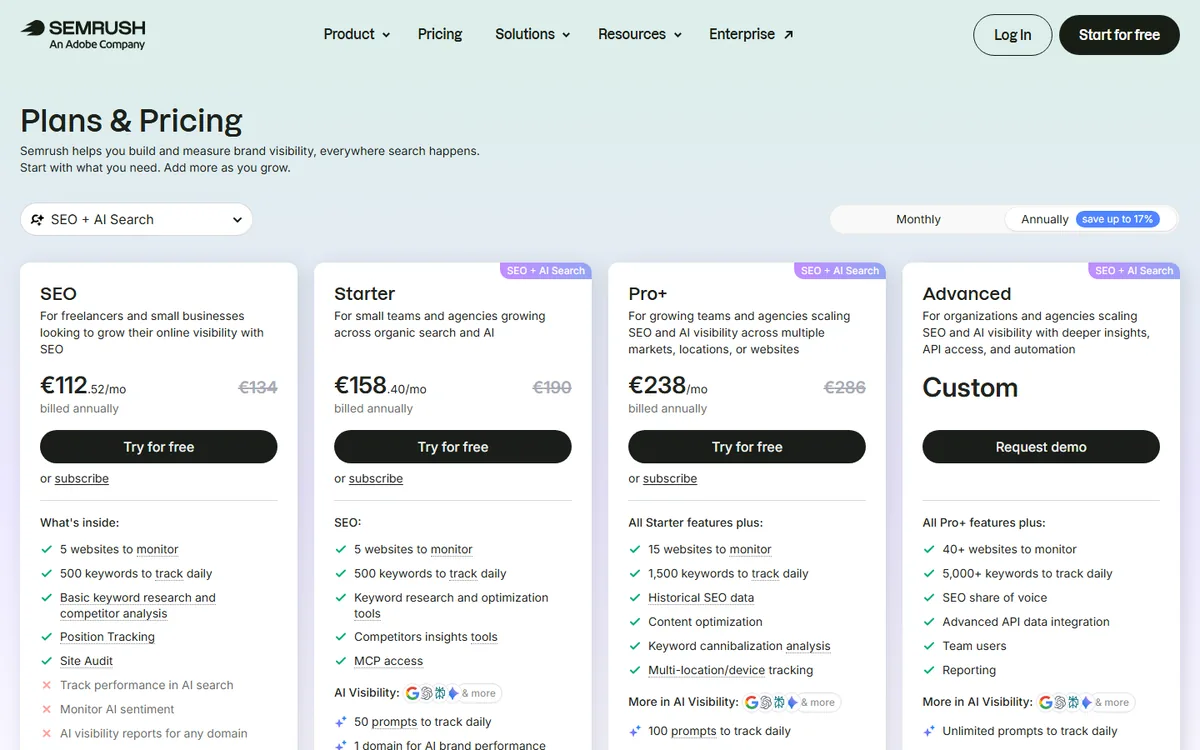
Semrush has a free plan with limited daily requests. The SEO plan costs $139 per month, or $117.33 per month billed annually. Semrush One, which adds AI visibility tracking, starts with Starter at $199 per month ($165.17 billed annually) and Pro+ at $299 per month ($248.17 billed annually). Advanced and Enterprise tiers cover larger teams, and prices differ by region, so check the page for your country.
Semrush Reviews
- G2: score of 4.4 out of 5 (from +4,300 customer reviews)
- Capterra: score of 4.6 out of 5 (from +2,300 customer reviews)
Ahrefs
The Backlink and Competitor Research Favorite, Now with Brand Radar for AI Mentions
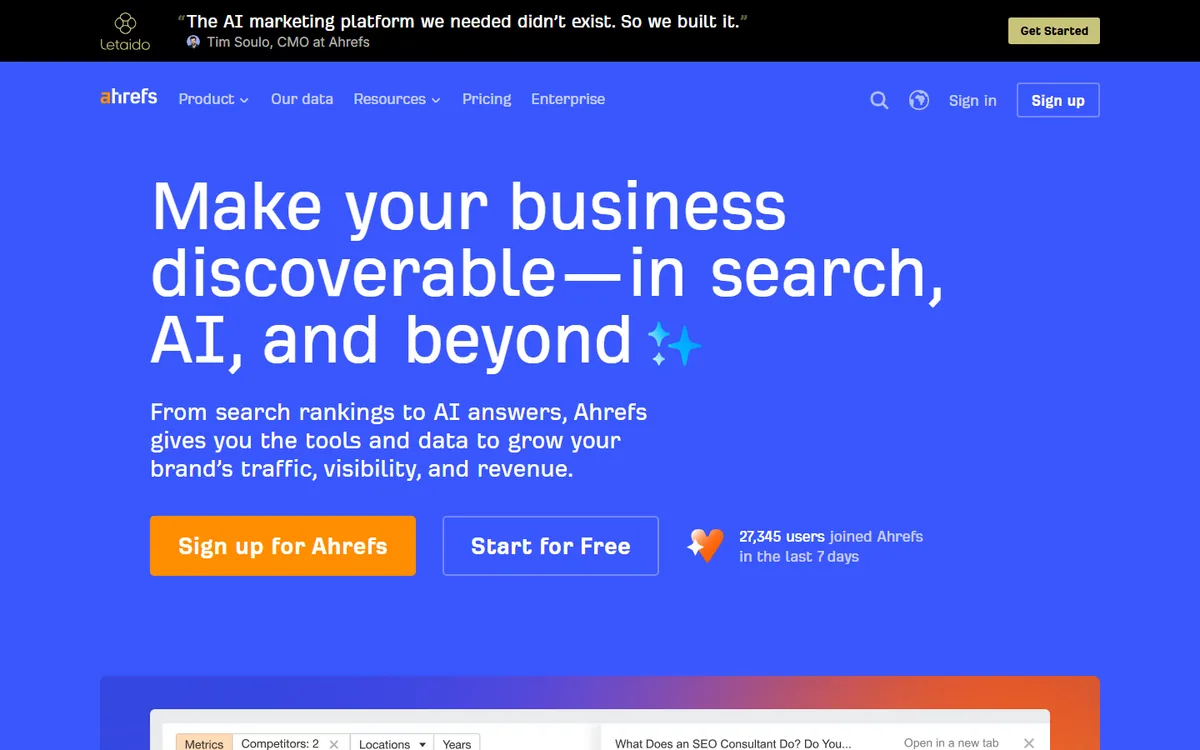
Ahrefs pairs one of the largest backlink indexes with keyword research, Site Audit and Rank Tracker, and Brand Radar measures how often AI answers mention your brand.
The SEO specialists I work with tend to trust Ahrefs for link data and for spotting which competitor pages pull in traffic. Site Explorer, Keywords Explorer and Content Explorer answer most research questions in a few clicks, and AI Content Helper drafts and grades copy against the intent behind a keyword. Brand Radar is the newer piece. It tracks your share of voice in AI Overviews, ChatGPT, Perplexity and other assistants, and it lists the pages those answers cite, which hands you a shortlist of sites worth earning a mention on.
My frustration is the pricing structure. Starter is cheap, but most teams need Lite or Standard to do real work, and Brand Radar AI is sold on top. The lower plans also hit project and usage limits quickly, so agencies outgrow them within months. If links and competitor research drive your strategy, Ahrefs is worth the money. If you mostly need audits and rank tracking, SE Ranking gives you similar coverage for less.
What Ahrefs Does Well
- Backlink data that SEO teams trust
- Brand Radar shows which sources AI answers cite
- Clean, fast interface for competitor research
What Ahrefs Could Do Better
- Brand Radar AI is a paid add-on
- Lower plans run into usage limits quickly
Ahrefs Pricing
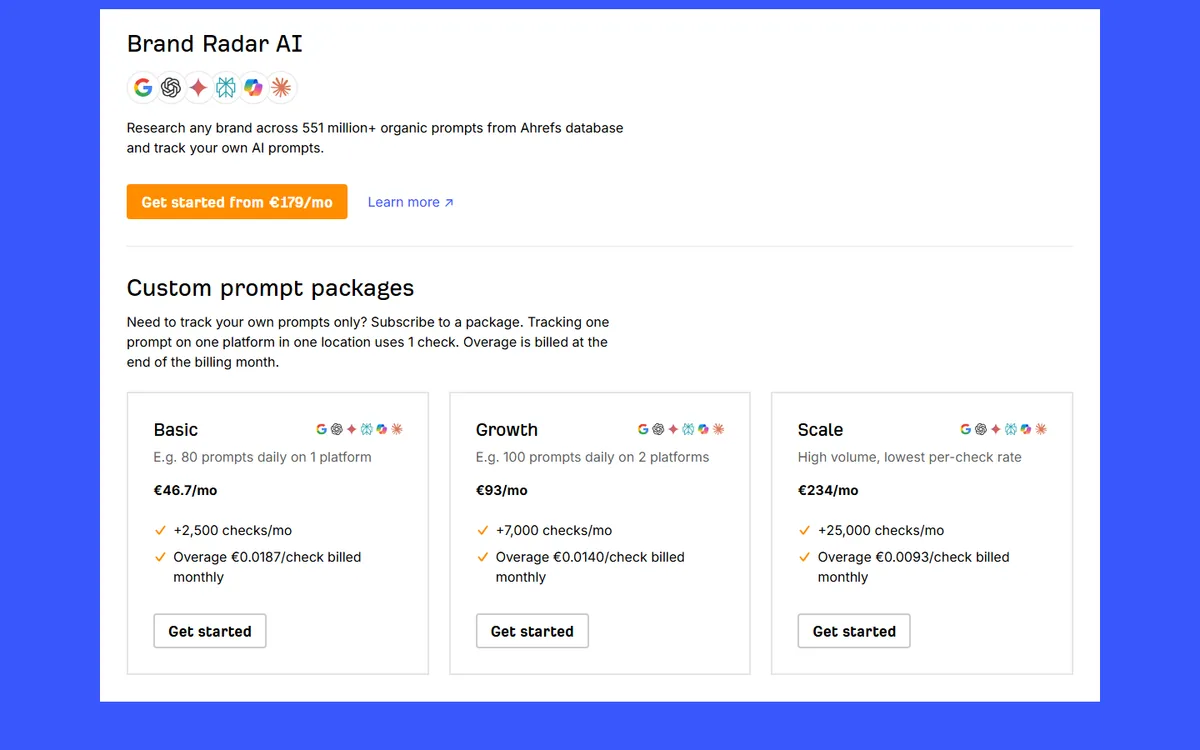
Ahrefs has a free tier and four main paid plans: Starter at $29, Lite at $129, Standard at $249 and Advanced at $449 per month. Paying annually saves up to 17%, and Enterprise is priced through sales. Brand Radar AI is a separate add-on that starts at about $199 per month, with optional prompt packages if you want to track your own prompts. Ahrefs shows local prices by country, so your figure may differ.
Ahrefs Reviews
- G2: score of 4.5 out of 5 (from +720 customer reviews)
- Capterra: score of 4.7 out of 5 (from +580 customer reviews)
SE Ranking
The Best-Value All-in-One Suite for Small Teams and Agencies
SE Ranking covers rank tracking, site audits, keyword and backlink research and content tools, and its Core and Growth plans now include AI visibility tracking.
SE Ranking gives you most of what Semrush and Ahrefs do for less money, and the interface is easier for people who don’t live in SEO tools all day. Rank tracking is accurate and flexible, the site audit explains each issue in plain words, and white-label reports make it popular with agencies. AI visibility tracking, also sold on its own as SE Visible, comes with Core and Growth, with 25 prompts checked daily across five AI engines.
I often recommend it to small businesses where one marketer and a freelancer run SEO between them. The databases are smaller than the two big suites, especially for backlinks and less common markets, so link specialists sometimes keep one Ahrefs seat on the side. Reviewers praise the support team and the value. A few mention recent price rises, so start on monthly billing and switch to annual only after the tool has proved itself on your site.
What SE Ranking Does Well
- A full SEO suite at a lower price
- AI visibility tracking included on paid plans
- White-label reports that agencies can send as they are
What SE Ranking Could Do Better
- Smaller backlink database than Ahrefs
- Less data depth in smaller markets
SE Ranking Pricing
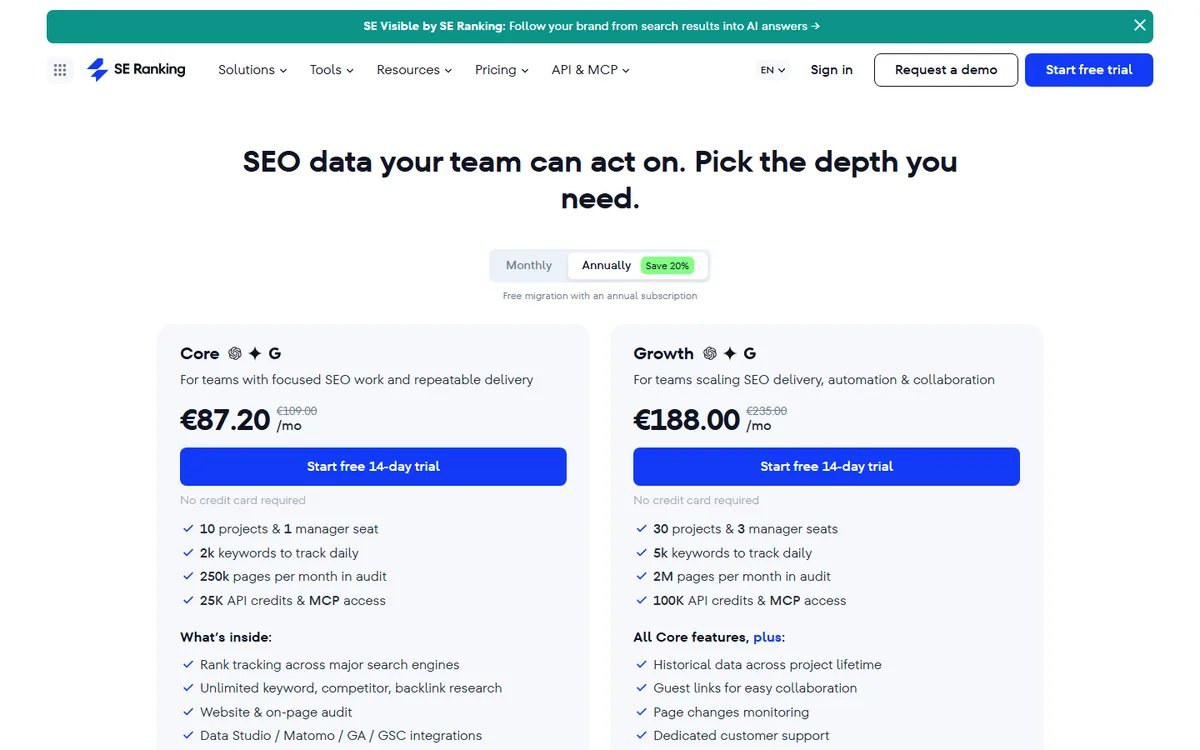
SE Ranking Core costs $129 per month and Growth $279 per month on monthly billing, and annual billing saves 20%. Enterprise has custom pricing. Both Core and Growth include AI visibility tracking with 25 daily prompts, and SE Visible is also sold as a standalone AI visibility tool. Prices shown on the site depend on your region.
SE Ranking Reviews
- G2: score of 4.7 out of 5 (from +1,600 customer reviews)
- Capterra: score of 4.7 out of 5 (from +290 customer reviews)
Surfer
The Easiest Way to Turn a Keyword into a Page That Covers What Searchers Expect
Surfer scores your drafts against top-ranking pages, suggests terms, headings and length, and its AI Tracker follows your brand across AI answers.
Writers like Surfer because the feedback is instant. You open the Content Editor, paste a draft or start one with AI, and the Content Score climbs as you cover the topics that ranking pages share. Content Audit runs the same check on pages you’ve already published, and that’s where I see the quickest wins. Refreshing older posts that slipped to page two usually pays back faster than writing new ones. From the Standard plan up, AI Tracker adds prompt tracking, so content work and AI visibility sit in one place.
The risk is writing for the score. I’ve reviewed posts that scored in the 90s and read like keyword lists stitched together, and they ranked no better than a cleaner version a good writer produced at 75. Over-optimizing is one of the common AI SEO mistakes I fix most often. Treat the score as a coverage check, then edit for the reader. Plans are priced by documents, and busy teams use them up faster than they expect.
What Surfer Does Well
- The Content Score gives writers instant feedback
- Content Audit finds quick wins in older posts
- AI prompt tracking comes with Standard and above
What Surfer Could Do Better
- Easy to over-optimize for the score
- Document limits run out fast on busy teams
Surfer Pricing
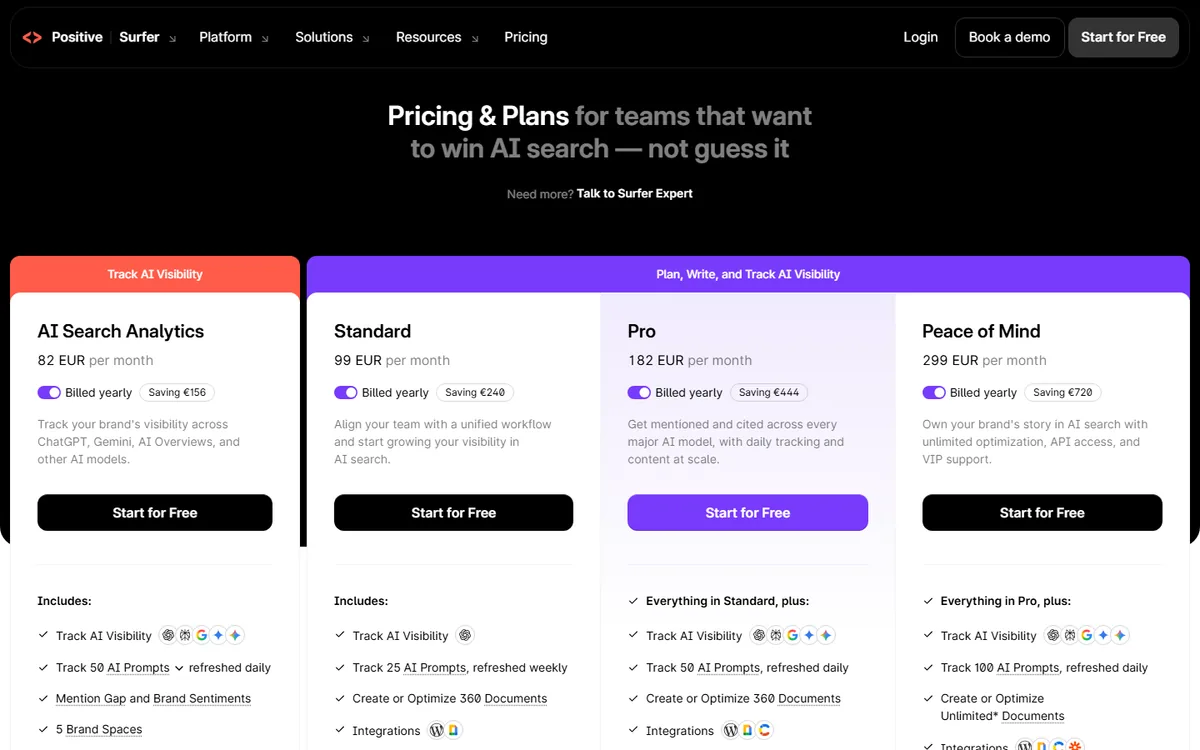
Billed yearly, Surfer Discovery costs $49 per month, Standard $99, Pro $182 and Peace of Mind $299, and month-to-month billing costs more. Standard tracks 25 AI prompts weekly with 360 documents, Pro tracks 50 prompts daily, and Peace of Mind tracks 100 prompts daily with API access. Surfer also sells a separate AI Search Analytics plan, and Enterprise is priced through sales.
Surfer Reviews
- G2: score of 4.8 out of 5 (from +540 customer reviews)
- Capterra: score of 4.9 out of 5 (from +420 customer reviews)
Screaming Frog
The Technical Audit Tool Every SEO Specialist Ends Up Owning
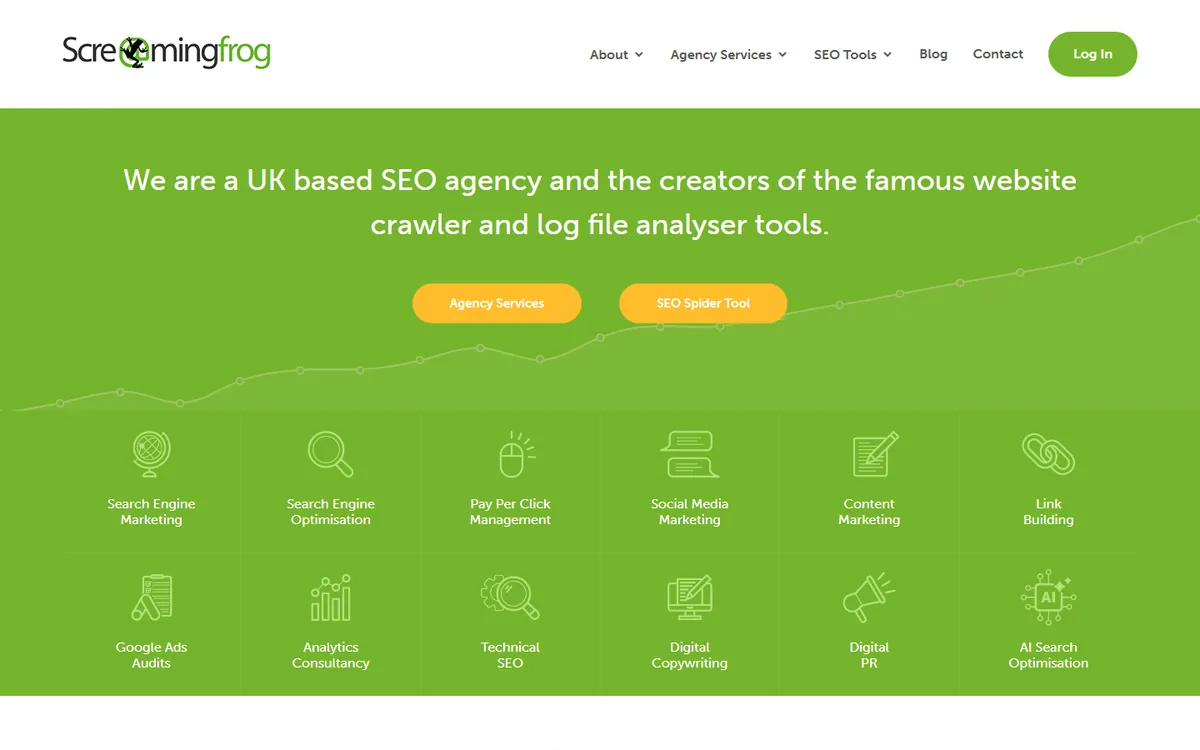
The Screaming Frog SEO Spider is a desktop crawler that finds broken links, redirects, duplicate content and indexing problems, and it can send each page to OpenAI or Gemini during a crawl.
Every technical audit I run starts with a Screaming Frog crawl. You get status codes, redirect chains, canonicals, titles, structured data and internal links for every URL, and you can filter and export them in seconds. The free version crawls up to 500 URLs, which covers many small business sites. A paid licence removes the limit and adds scheduling, JavaScript rendering and connections to Google Search Console and Analytics.
The AI integrations earned it a place on an AI SEO list. During a crawl you can send every page to OpenAI or Gemini with your own prompt, for example to write missing alt text, label page intent or create embeddings that surface near-duplicate content. You’ll need an API key and some care with prompts, and the AI costs come from your provider. My AI SEO checklist lists the crawl findings I fix first for AI search. Big crawls eat memory, so run large sites in database storage mode on a decent machine.
What Screaming Frog Does Well
- Free for sites up to 500 URLs
- Every technical issue in one crawl
- Custom AI prompts can run on every page
What Screaming Frog Could Do Better
- The spreadsheet-style interface takes time to learn
- Large crawls need a powerful computer
Screaming Frog Pricing
The SEO Spider is free for crawls of up to 500 URLs. A paid licence is sold per user per year, at €245 on Screaming Frog’s euro price list, and US listings put it at about $279. The AI integrations with OpenAI and Gemini work in both versions, and you pay your AI provider separately for the API calls.
Screaming Frog Reviews
- G2: 4.7 out of 5 star rating for SEO Spider (from 84 customer reviews)
- Capterra: score of 4.9 out of 5 (from +130 customer reviews)
Clearscope
A Premium Content Grader for Teams That Want Clean, Readable Recommendations
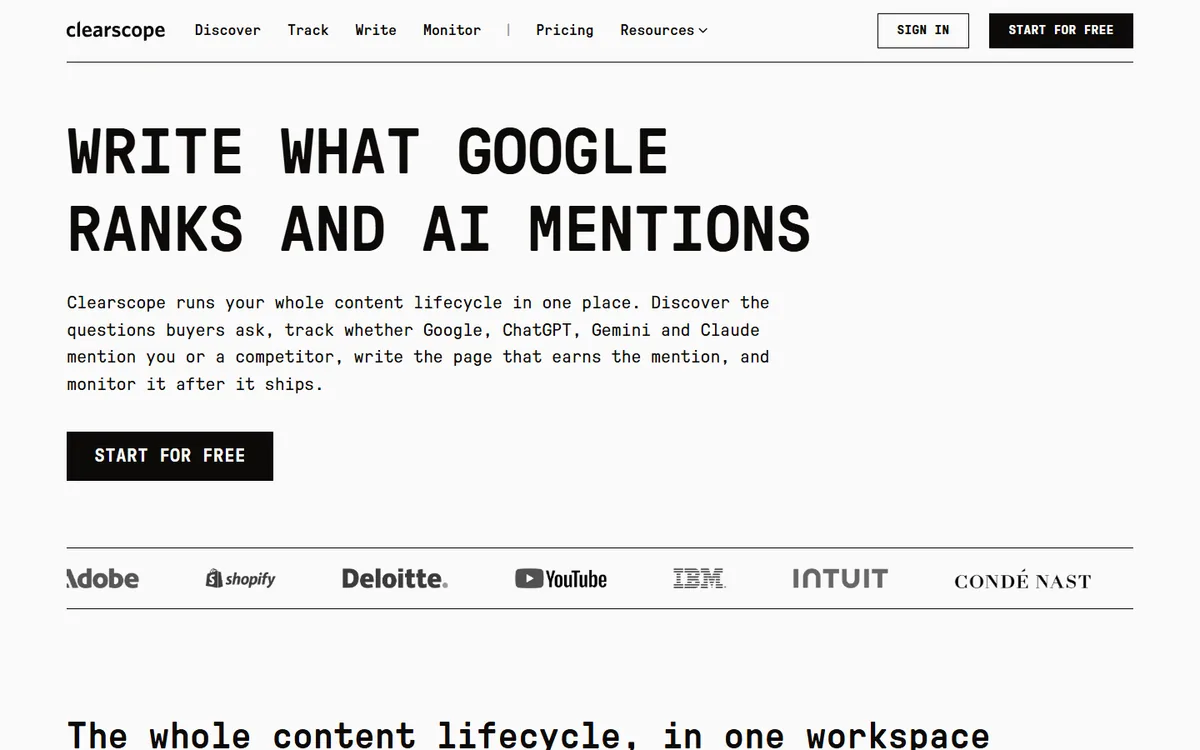
Clearscope grades content against what ranks, tracks queries and pages over time, and includes brand visibility tracking for AI search on every plan.
Clearscope does one job and does it with less noise than its rivals. You enter a query, get a report with the terms and questions that matter, and write in an editor that grades the draft from F to A++. The suggestions are fewer and easier to read than Surfer’s, which is why editorial teams with strong writers often prefer it. Newer features track your queries and pages, show how your brand appears in AI search and produce a first draft from a brief.
In my client work, Clearscope fits content teams that publish fewer, better pieces and have editors who push back on keyword stuffing. Keyword research is basic, and there’s no site audit, so you’ll still need a suite next to it. Price is the obvious hurdle. Essentials includes 50 tracked pages, and a blog with a few hundred posts needs Business or add-ons before tracking becomes useful.
What Clearscope Does Well
- Clear, readable term suggestions
- Grades that editors understand at a glance
- Brand visibility tracking comes with every plan
What Clearscope Could Do Better
- Expensive for the number of pages tracked
- Needs a separate suite for research and audits
Clearscope Pricing
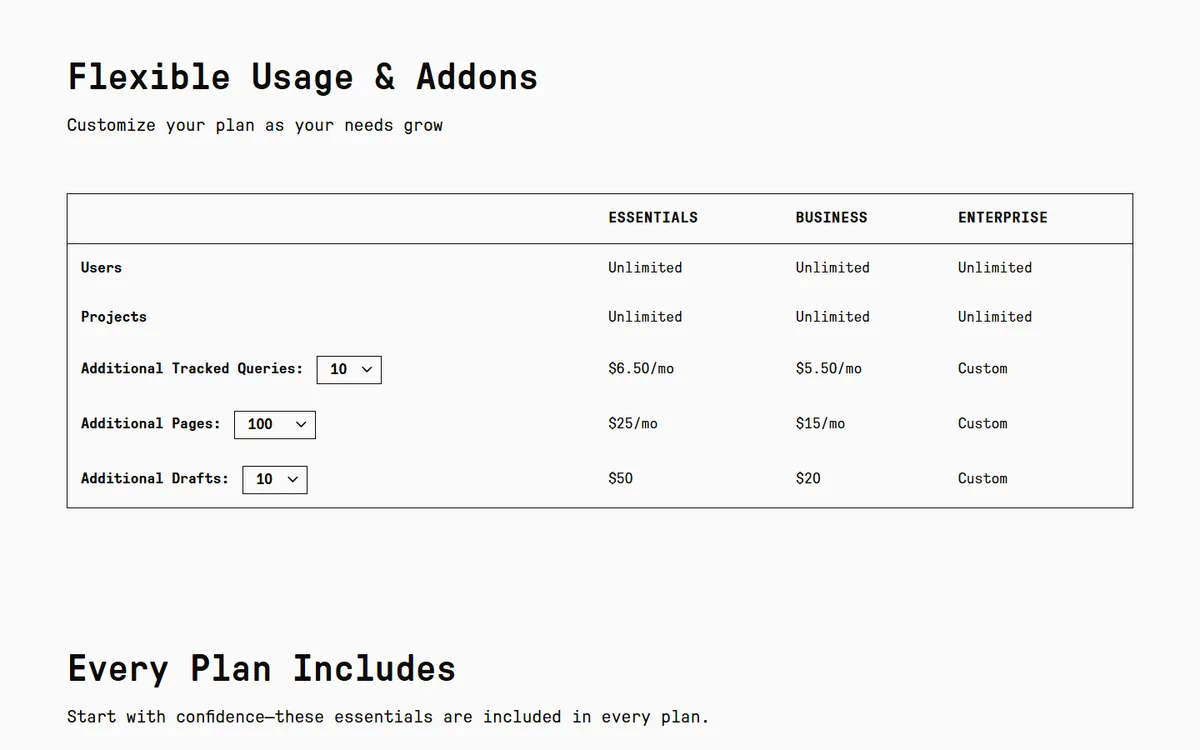
Clearscope Essentials costs $129 per month with 50 tracked queries, 50 pages and 20 drafts a month. Business costs $399 per month with 300 tracked queries, 300 pages and a dedicated account manager. Enterprise is custom and adds single sign-on. Monthly plans have no minimum contract, and a 14-day free trial is available.
Clearscope Reviews
- G2: score of 4.9 out of 5 (from 92 customer reviews)
- Capterra: score of 4.9 out of 5 (from 60 customer reviews)
Frase
An Affordable Content and AI Visibility Tool for Small Teams
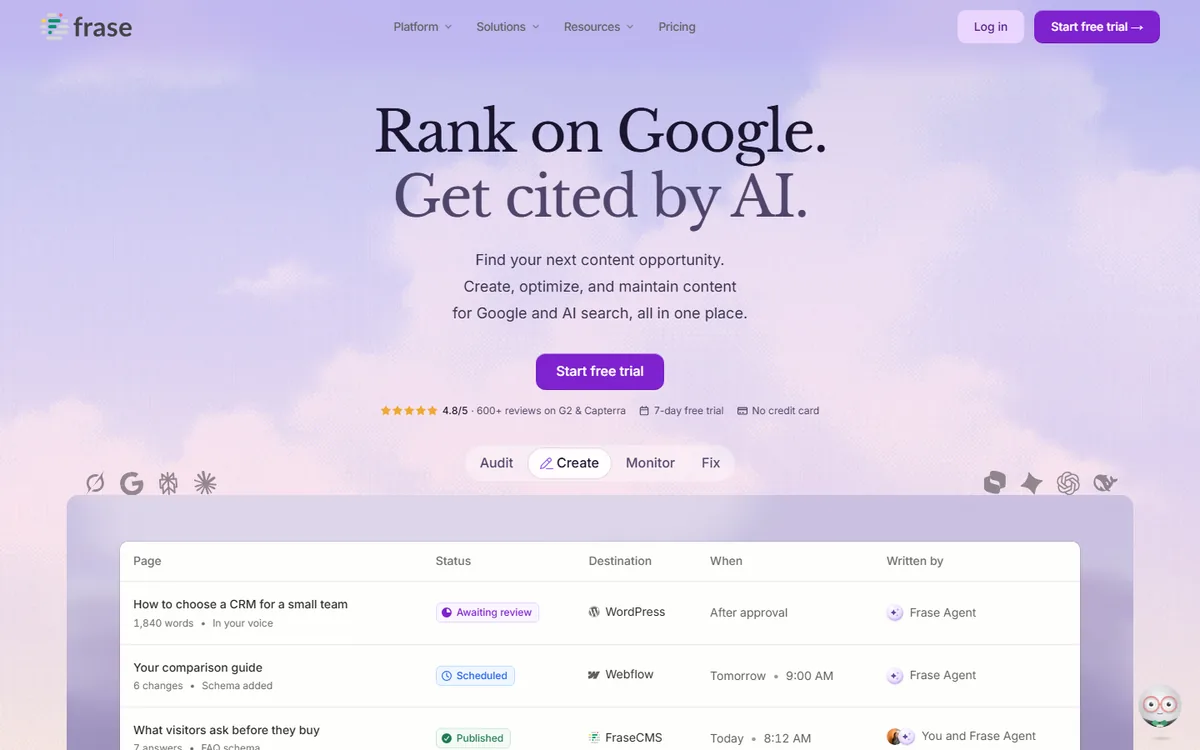
Frase combines search result research, an AI writer and content scoring with AI visibility tracking, page audits and Content Guard monitoring for your key pages.
Frase started as a research and briefing tool, and it’s still quick at that. Enter a keyword and it pulls the top results, their headings and the questions people ask, so you can build an outline in minutes. The AI writer turns the outline into a draft, and the optimization score works much like Surfer’s. AI Visibility tracks prompts in ChatGPT and Google AI on Starter, and Professional adds Perplexity and monitoring of AI crawlers on your site.
For a solo marketer or a small agency, Frase covers a lot of ground for the price. The trade-offs show as you grow. The interface feels busier since the visibility and audit features arrived, and G2 reviewers mention subscription issues and editing quirks. Starter also stops hard at its monthly limits, so a busy month can leave you waiting for the reset. Professional and Scale let you switch on pay-as-you-go overages.
What Frase Does Well
- Fast research and outlines from live results
- AI visibility tracking from the cheapest plan
- Low entry price for content work
What Frase Could Do Better
- The interface has grown busier
- Starter stops at its monthly limits
Frase Pricing
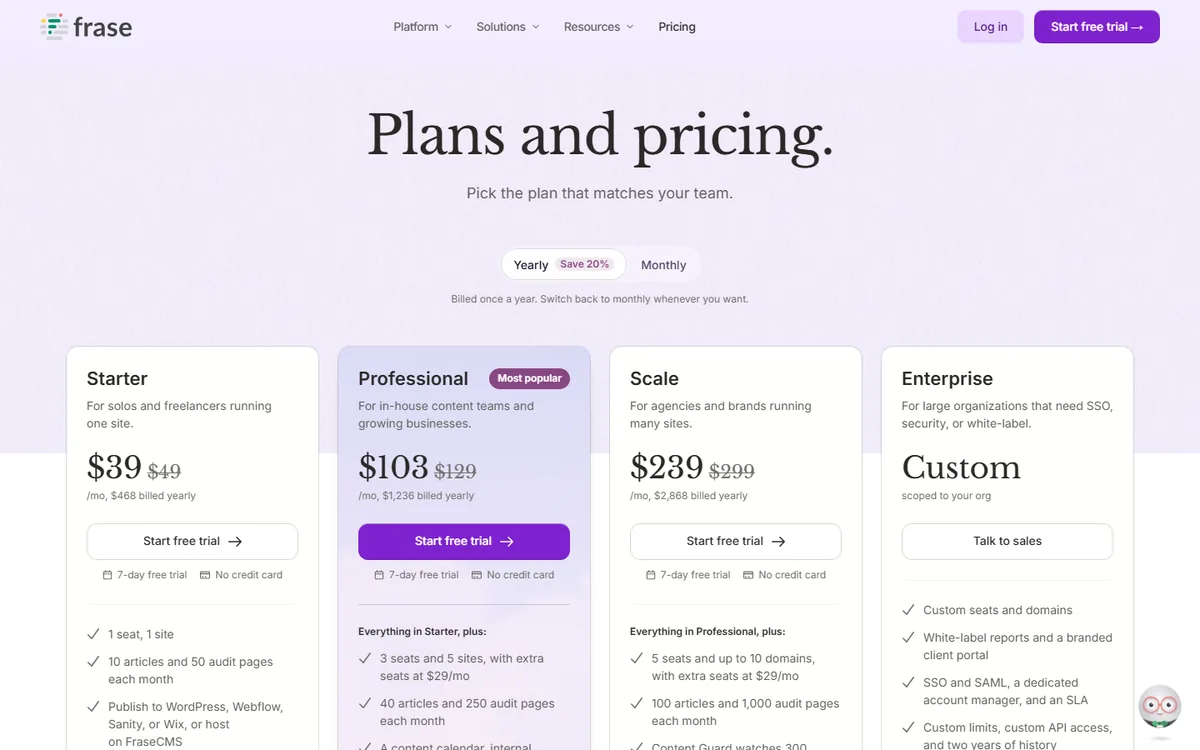
Billed yearly, Frase Starter costs $39 per month with one seat, one site and 20 AI prompts. Professional costs $103 per month with three seats, five sites and 50 prompts, and Scale costs $239 per month with five seats, up to 10 domains and 75 prompts across more AI engines. Enterprise is custom and adds white-label reports and single sign-on.
Frase Reviews
- G2: 4.8 out of 5 star rating for Frase.io (from +300 customer reviews)
- Capterra: score of 4.8 out of 5 (from +330 customer reviews)
Sitebulb
The Friendliest Technical Audit Tool for Explaining Issues to Clients and Developers
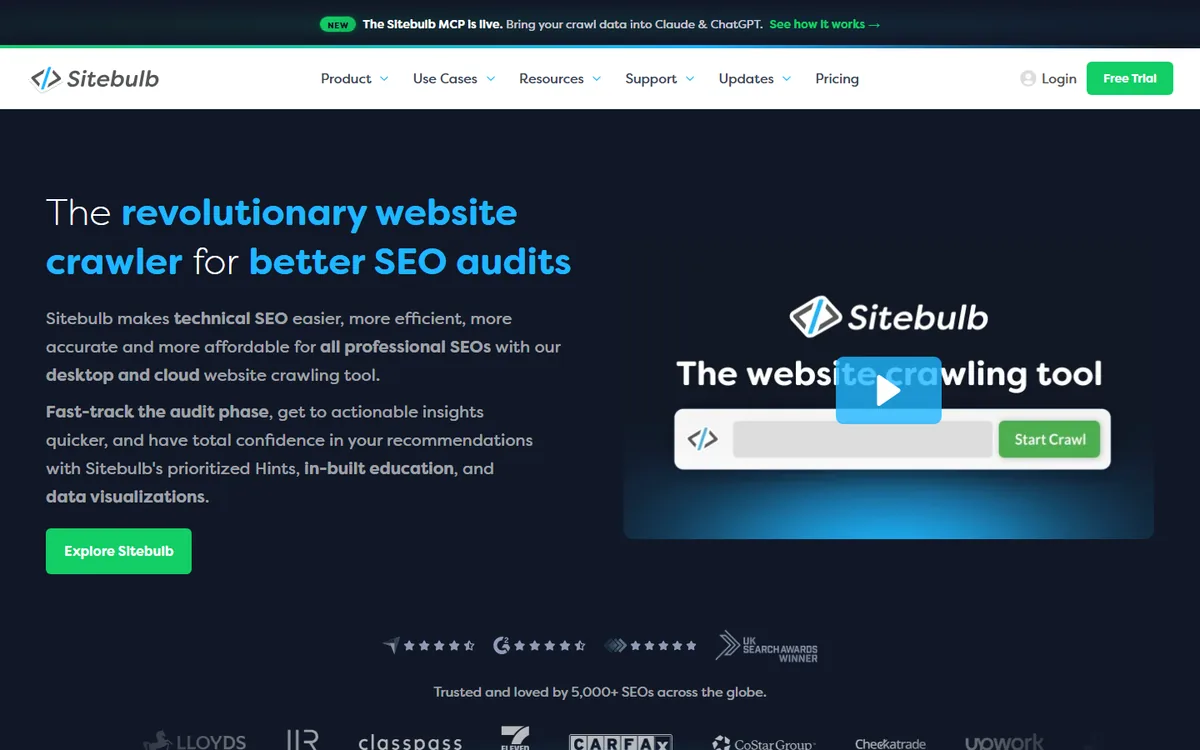
Sitebulb crawls your site, ranks issues by priority with plain-language hints and visual reports, and its MCP connection lets you query audit data from Claude or ChatGPT.
Screaming Frog gives you the raw data. Sitebulb tells you what it means. Every issue comes with a hint that explains why it matters and how to fix it, scored by importance, and the crawl maps make structure problems obvious to people who never open a spreadsheet. If you need sign-off from a developer or a client, those reports save you a round of explanations.
The AI angle is MCP access on every plan. You connect your audit data to Claude or ChatGPT and ask questions like which templates cause most of your duplicate titles, and the answer comes from your own crawl. It’s early, and I still check any AI-built fix list against the source data before it reaches a developer. The desktop app uses a lot of memory on large sites, which is where Sitebulb Cloud comes in, at a much higher price.
What Sitebulb Does Well
- Hints explain each issue in plain words
- Visual reports that clients understand
- MCP links audit data to Claude and ChatGPT
What Sitebulb Could Do Better
- Desktop crawls are heavy on large sites
- Cloud plans cost far more than desktop
Sitebulb Pricing
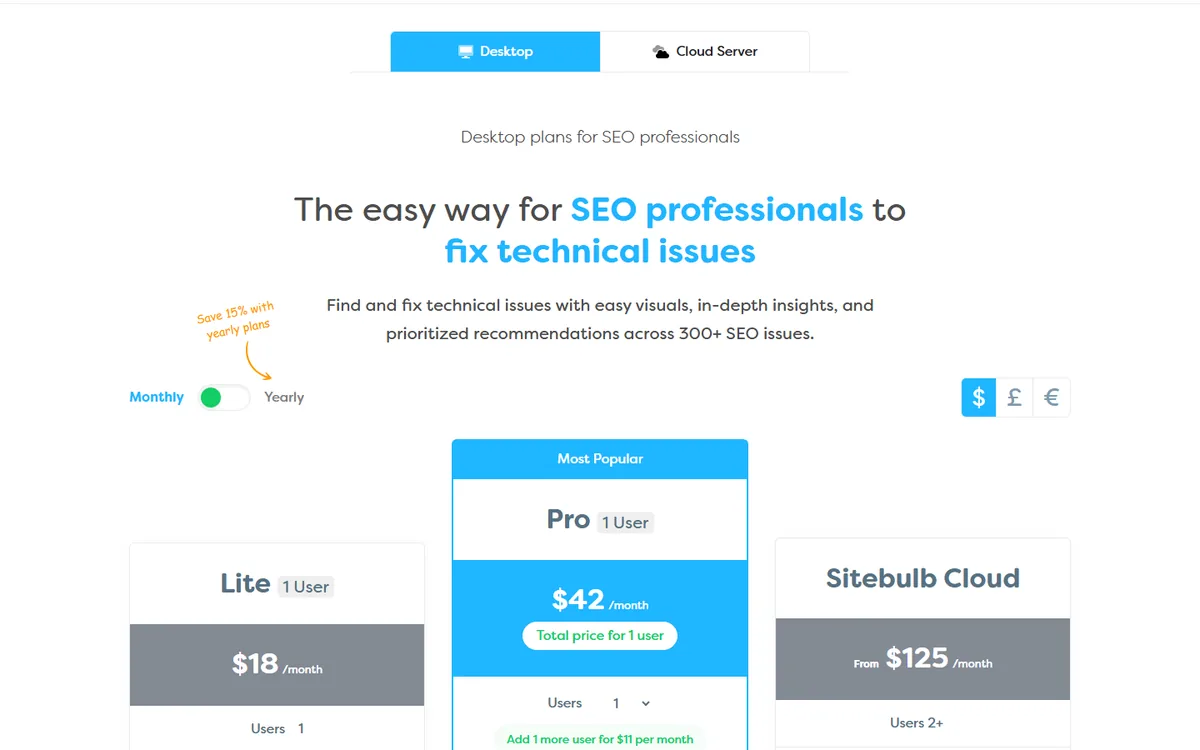
Sitebulb sells two desktop plans, Lite and Pro, billed monthly or yearly, and yearly billing saves 15%. US listings put Lite at $18 per month and Pro at $42 per month for one user, with extra Pro users at a lower monthly rate. Sitebulb Cloud for teams starts at £95 per month, and every plan includes MCP access and a 14-day free trial.
Sitebulb Reviews
- G2: score of 4.5 out of 5 (from 13 customer reviews)
- Capterra: score of 4.9 out of 5 (from 25 customer reviews)
Peec AI
A Clear, Fairly Priced Tracker for Seeing How AI Assistants Rank Your Brand
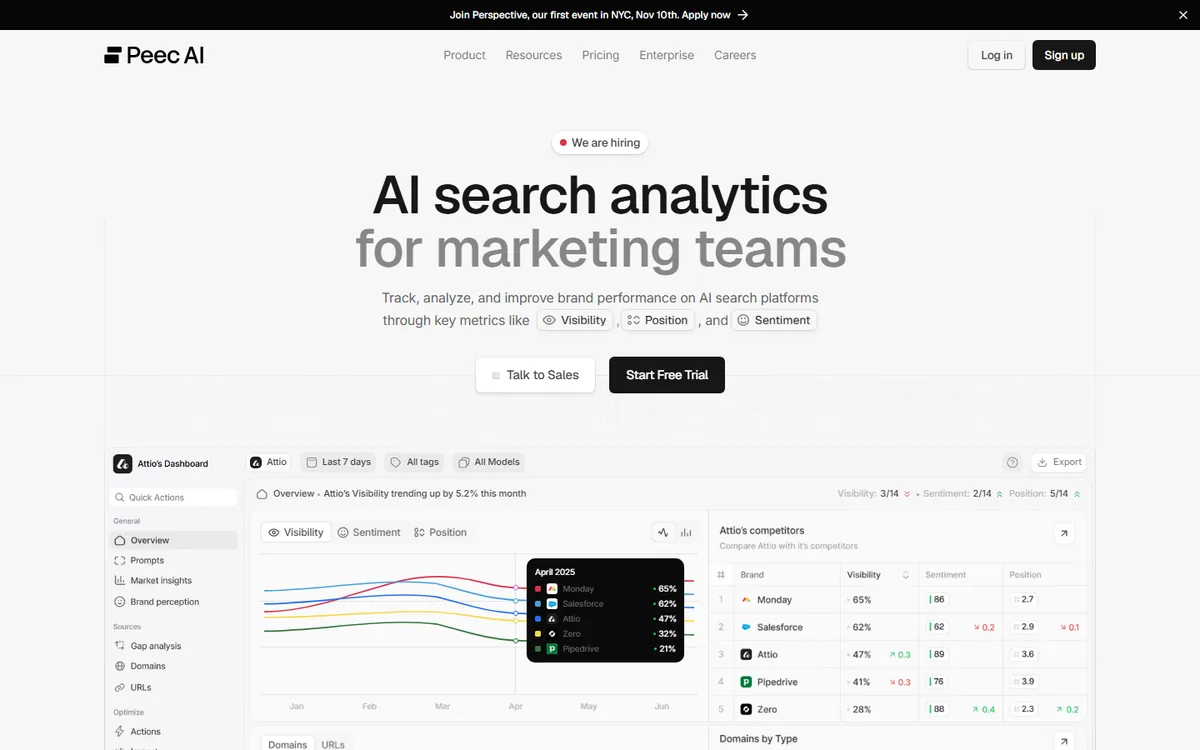
Peec AI runs your chosen prompts in ChatGPT, Gemini, Google’s AI Mode, AI Overviews and other models every day, and reports your visibility, position and sentiment against competitors.
AI visibility tracking is a young category, and Peec AI is one of the cleaner tools in it. You add the prompts your buyers might type, choose your competitors and pick three models to track. The dashboard shows how often you appear, where you sit in the answer and which sources the models cite. Unlimited users and languages on every plan make it easy to share with sales and leadership. Cited sources are the part I watch most closely, and my notes on AI SEO trends explain why.
Reviewers praise the interface and the support, and they ask for more integrations. One complaint matches what I see with every tracker in this group: it tells you where you stand and gives limited guidance on what to change. Pair it with a content plan and someone who acts on the findings. Price climbs with prompts and models, and only three models are active at once below Enterprise, so pick the engines your audience actually uses.
What Peec AI Does Well
- A clean dashboard that non-SEOs understand
- Cited sources show where to earn mentions
- Unlimited users on every plan
What Peec AI Could Do Better
- Little advice on how to improve your results
- Only three models active below Enterprise
Peec AI Pricing
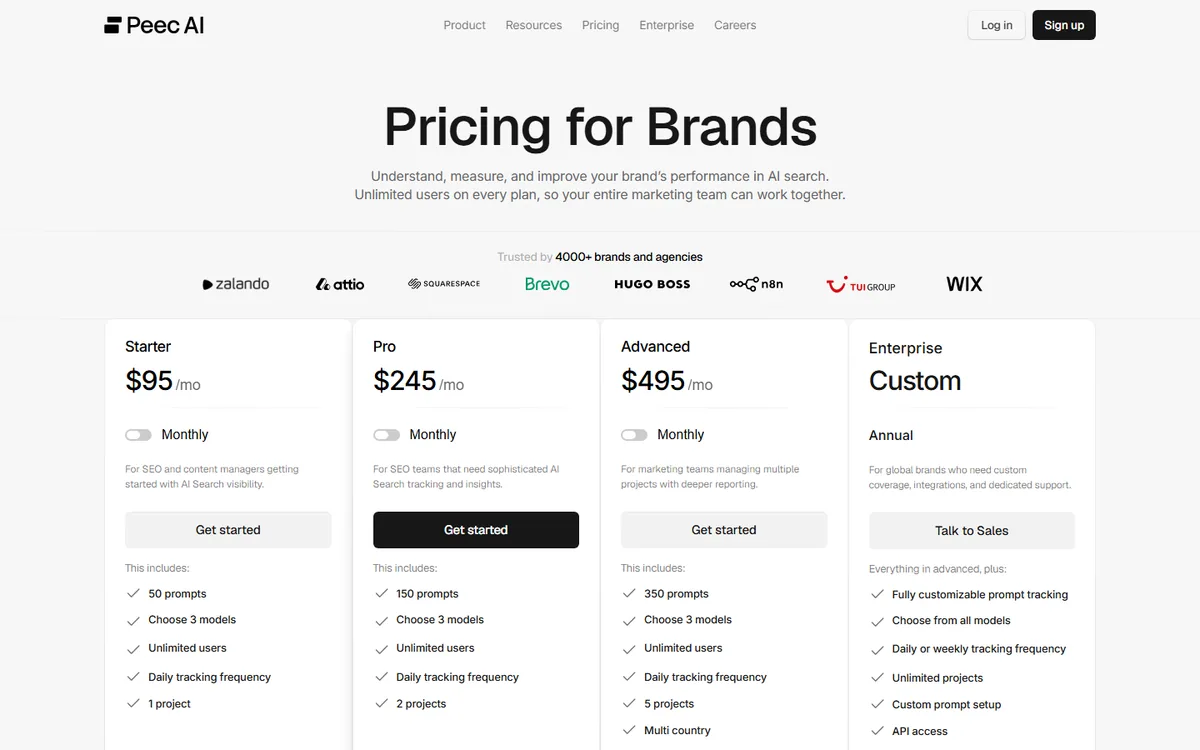
Peec AI Starter costs $95 per month for 50 prompts in one country, Pro $245 per month for 150 prompts in up to three countries, and Advanced $495 per month for 350 prompts with a Looker Studio integration. Each plan tracks three models at once, and extra models are an add-on. Enterprise is billed annually with custom limits, and annual billing saves 15% on the other plans.
Peec AI Reviews
- G2: score of 4.7 out of 5 (from 21 customer reviews)
Profound
The Deepest AI Search Platform for Enterprise Brands with a Dedicated Team
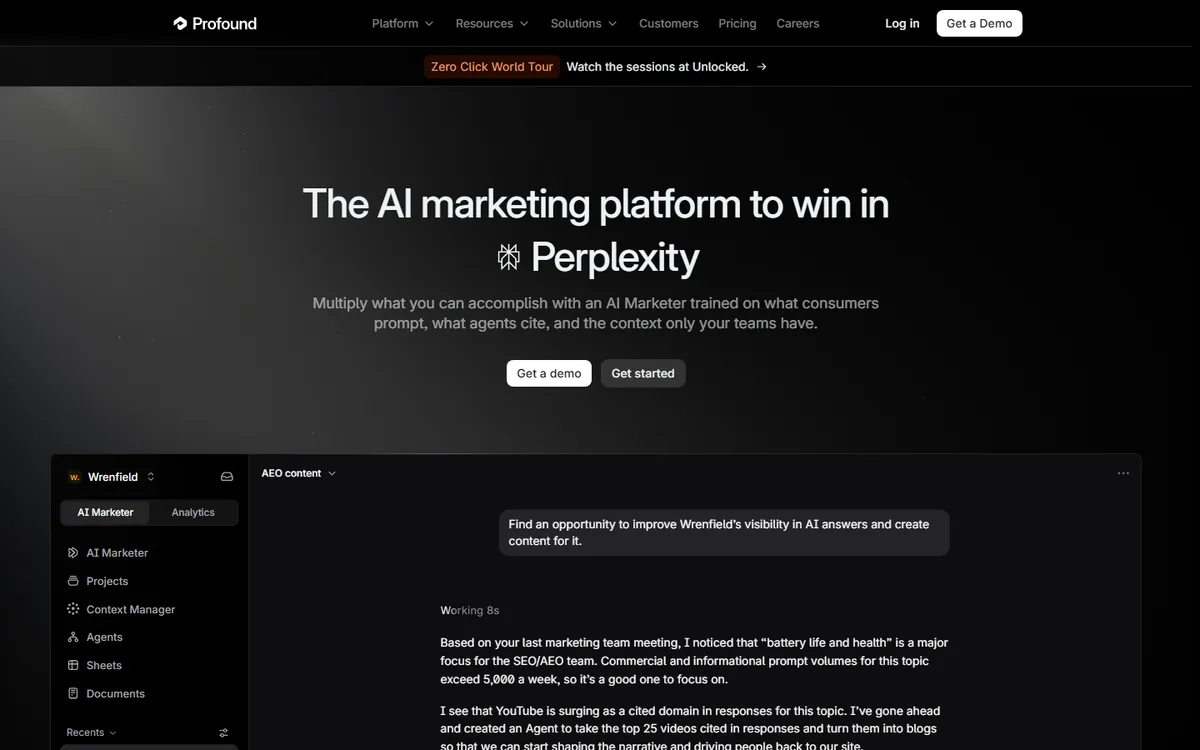
Profound tracks your brand across up to nine answer engines, shows how AI crawlers visit your site and estimates which prompts people actually ask.
Profound is the tool large brands pick when AI search has its own owner and budget. It tracks prompts across engines such as ChatGPT, Gemini and Google AI Overviews, and Agent Analytics shows which AI crawlers visit your pages and how often. Prompt Volumes estimates demand for the questions people ask assistants, a rough cousin of keyword search volume. Enterprise customers also get ChatGPT Shopping tracking, which matters for retail brands, and AI Marketer credits for content work inside the platform.
The depth is real, and so is the commitment. The main plan has no public price, and G2 reviewers rate Profound highly while calling it costly for small businesses. I agree with them. If you can’t yet tie any revenue to AI answers, start with Peec AI or Otterly.AI and move up once your numbers justify it. Agencies can look at the self-serve Agency Growth plan, which is priced per client workspace.
What Profound Does Well
- Tracks up to nine answer engines
- Agent Analytics reveals AI crawler activity
- Prompt Volumes hints at real demand
What Profound Could Do Better
- No published price for the main plan
- Far more tool than a small team needs
Profound Pricing
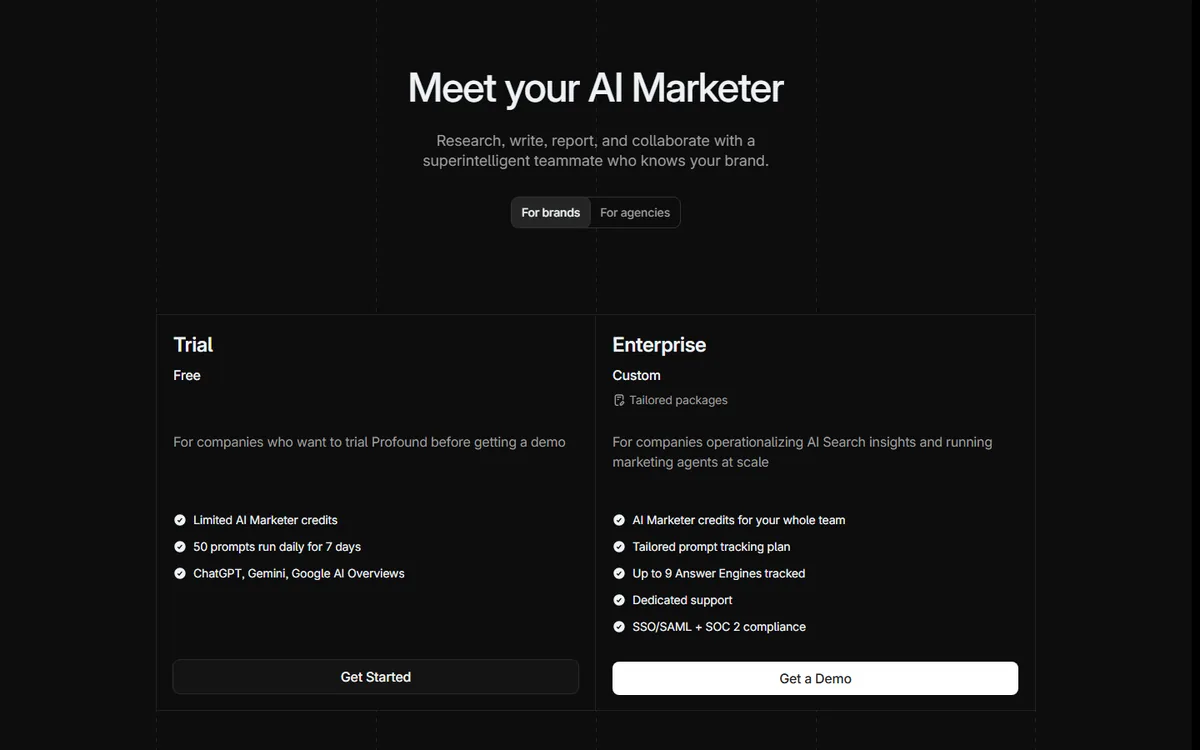
Profound offers a free trial that runs 50 prompts daily for seven days across ChatGPT, Gemini and Google AI Overviews. Enterprise is custom-priced, with tailored prompt tracking, up to nine answer engines, full data history, API access and single sign-on. The Agency Growth plan is self-serve, with 400 credits per month for each client workspace, and its price isn’t listed on the pricing page.
Profound Reviews
- G2: score of 4.5 out of 5 (from +1,100 customer reviews)
Otterly.AI
The Cheapest Way to Start Tracking Your Brand in AI Answers
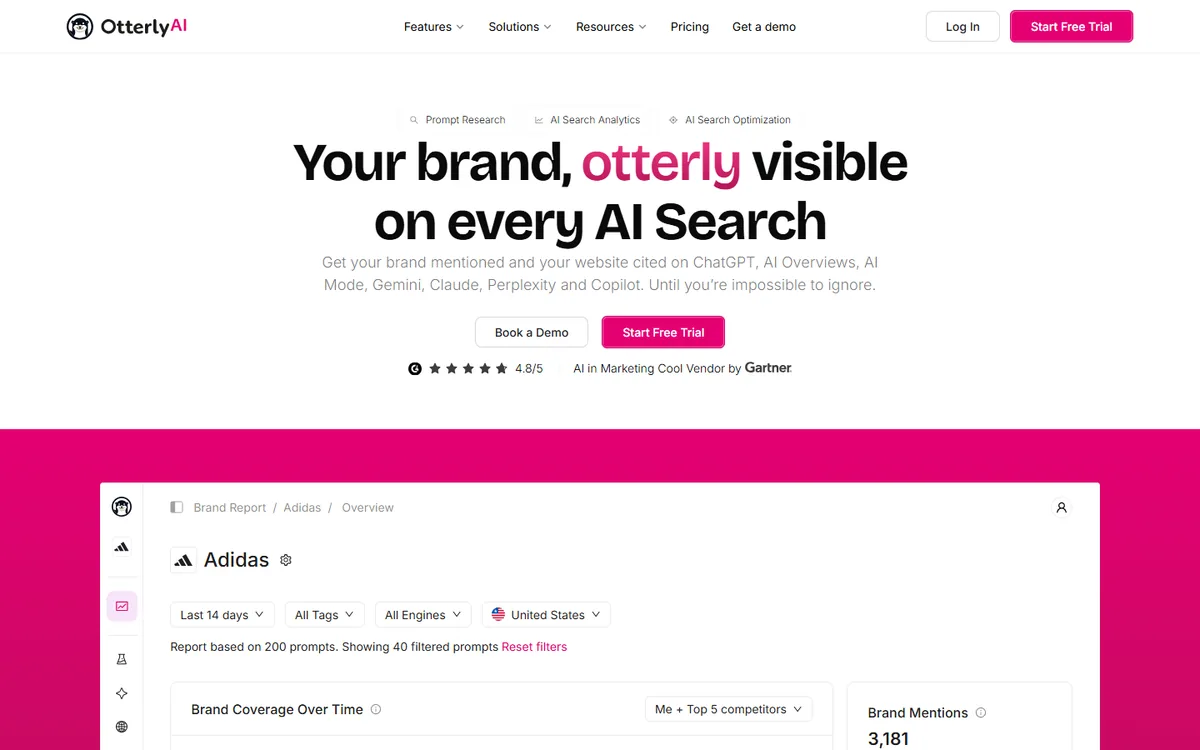
Otterly.AI monitors your brand and the links cited in ChatGPT, Google AI Overviews, Perplexity and Microsoft Copilot, and runs GEO audits on your URLs.
Otterly is where I point small businesses that want a first look at AI visibility without a big commitment. Lite tracks 15 prompts daily across four engines, enough for your core services and a few comparison questions. You see brand mentions, sentiment and the URLs each engine cites, and the GEO URL audit checks how easy a page is for AI systems to read and quote.
Fifteen prompts fill up quickly, so most growing teams move to Standard, which adds API and MCP access, Agent Analytics and a Looker Studio connector. Claude, Gemini and Google’s AI Mode are add-ons on every plan. Reviewers like the simple dashboard, and one noted that sentiment scoring can tag neutral, factual mentions as slightly negative. Read the answers themselves before you raise an alarm with your team.
What Otterly.AI Does Well
- Low entry price for AI visibility tracking
- Cited URLs show which sources matter
- GEO audits check how readable a page is for AI
What Otterly.AI Could Do Better
- Lite’s 15 prompts run out quickly
- Several AI engines cost extra on every plan
Otterly.AI Pricing
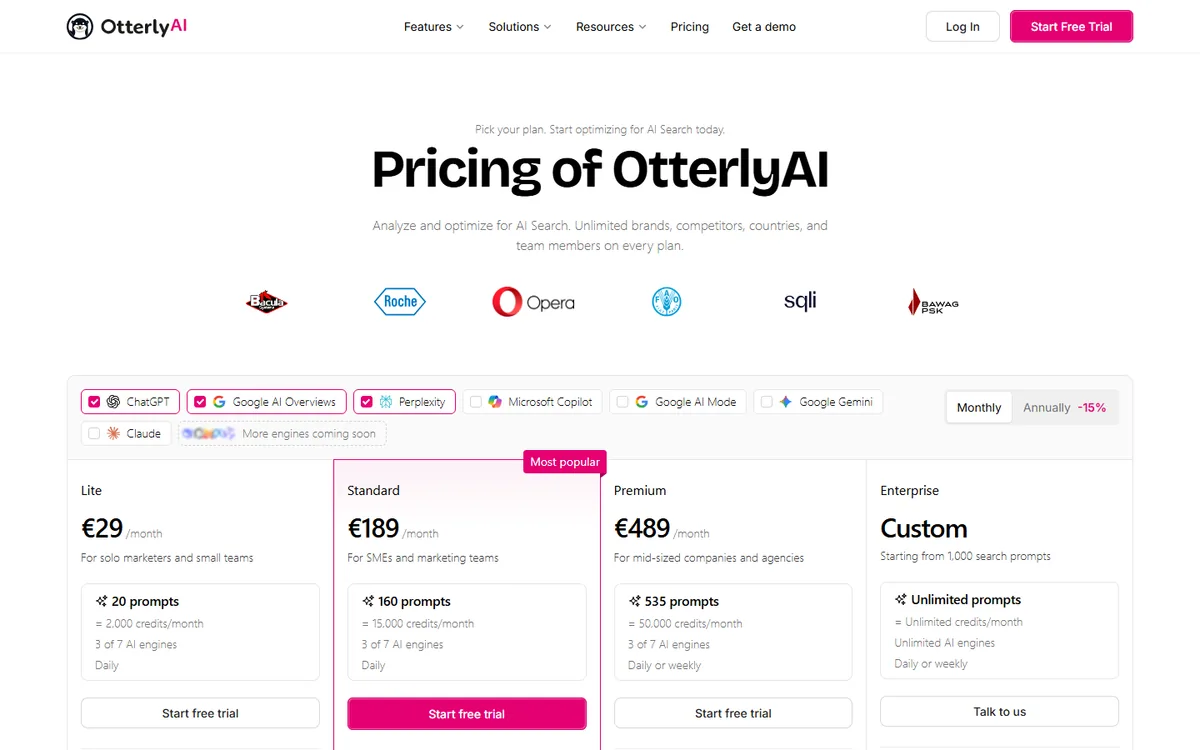
Otterly.AI Lite costs $29 per month for 15 prompts, Standard $189 per month for 100 prompts and Premium $489 per month for 400 prompts, and annual billing takes 15% off. Enterprise starts at 1,000 prompts with custom pricing, single sign-on and a dedicated customer success manager. Extra prompts and extra AI engines are sold as add-ons.
Otterly.AI Reviews
- G2: 4.7 out of 5 star rating for OtterlyAI (from 54 customer reviews)
Conductor
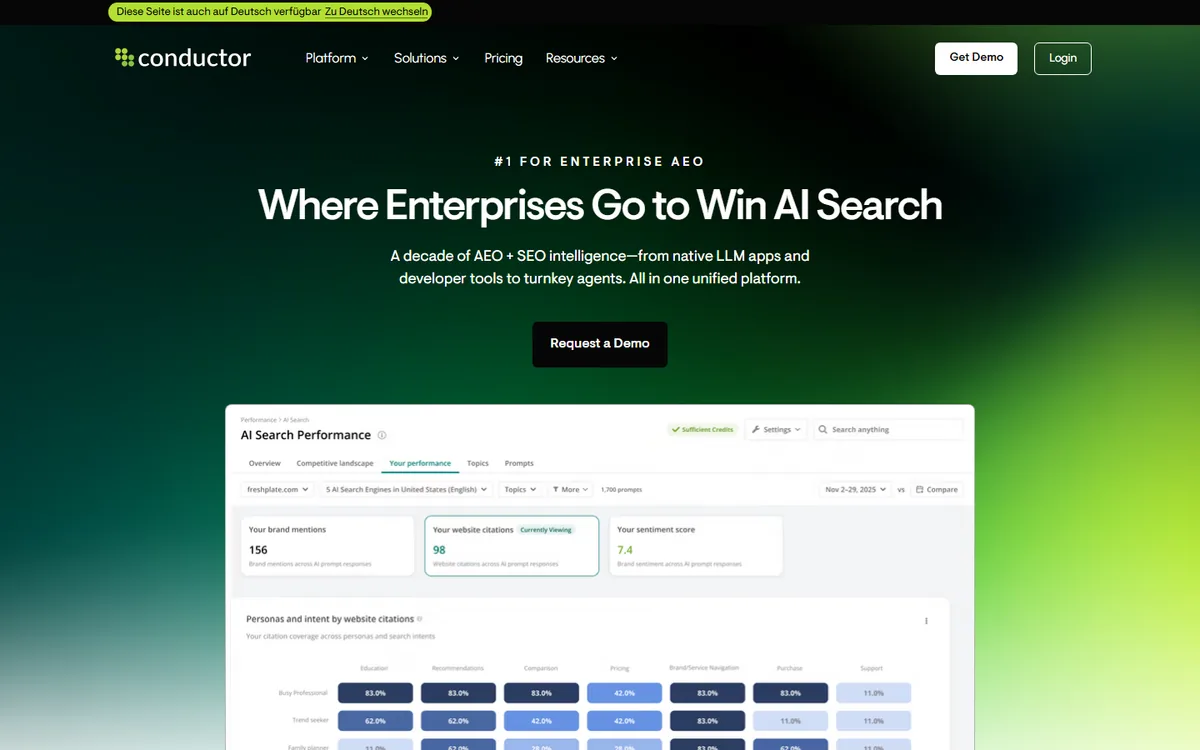
An Enterprise SEO and AEO Platform for Large Sites with Many Stakeholders
Conductor brings keyword and content intelligence, website monitoring and AI search tracking into one platform built for large marketing organizations.
Conductor suits companies where SEO touches content, product, web and leadership teams at once. Research and reporting sit next to Conductor Monitoring, which watches your site around the clock for technical problems, and its AI search features track how your brand appears in answer engines. Writing guidance lives inside the platform too, so content teams can follow SEO advice without the SEO lead reviewing every brief by hand.
Reviewers rate the support team highly, and at enterprise scale that matters a lot, because getting many teams to use one platform is the hard part. In my experience, the rollout plan decides more than the feature list. The flip side is complexity. Capterra reviewers call it too complex for non-technical users, and pricing is usage-based with no public numbers. For a single site with a small team, Semrush or SE Ranking gives you most of the value with far less setup.
What Conductor Does Well
- Built for many teams and large sites
- Monitoring catches technical issues around the clock
- Support gets strong marks from reviewers
What Conductor Could Do Better
- No published pricing
- Too complex for small teams
Conductor Pricing
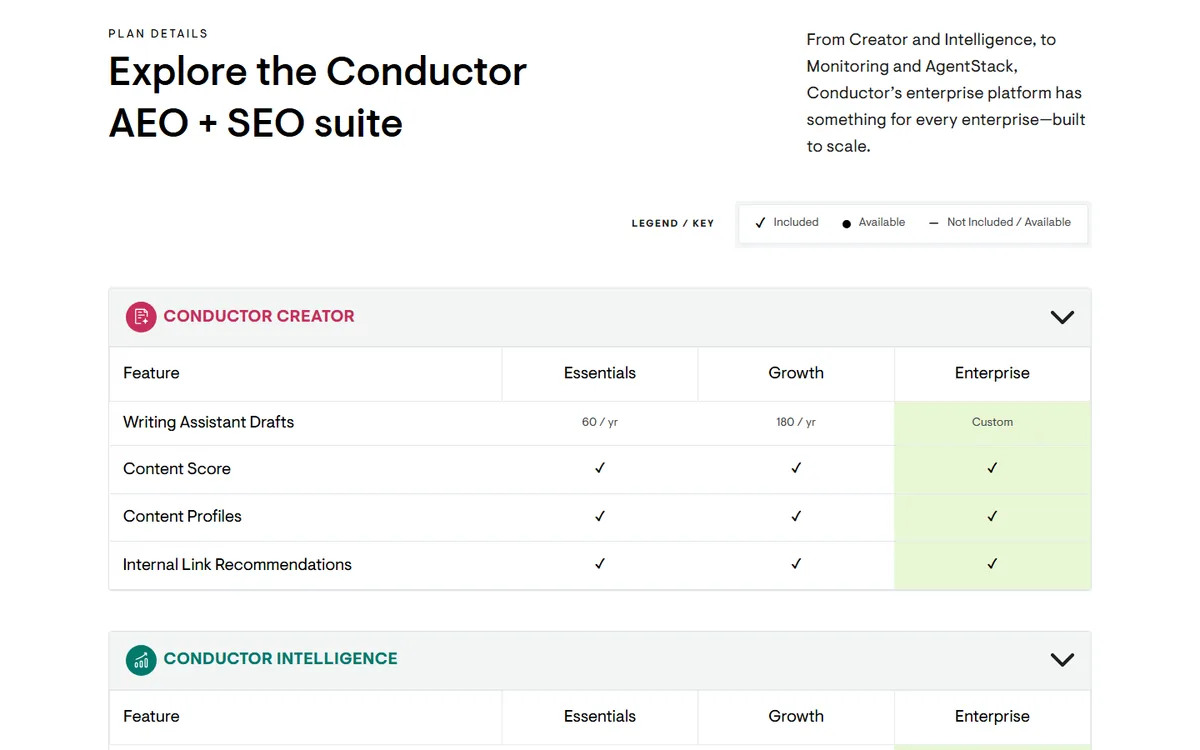
Conductor doesn’t publish prices and bills by usage. Essentials comes with a free trial and covers 500 tracked keywords and 1,000 analyzed pages. Growth adds 2,500 AI Search Credits per year and 5,000 tracked keywords, and Enterprise is priced through sales with larger allowances for pages, keywords and competitors.
Conductor Reviews
- G2: score of 4.5 out of 5 (from +820 customer reviews)
- Capterra: score of 4.7 out of 5 (from +110 customer reviews)
Work Out What an AI SEO Tool Returns
SEO tools look essential in a demo and optional at renewal. Enter the hours a tool could save your team each month on research, briefs, audits or reporting, plus its monthly price, and you’ll see what it could return over a year. Hours are the easy part to measure. My ranking of AI SEO use cases shows where those saved hours tend to turn into traffic and leads.
Will It Pay for Itself?
Move the sliders to match the work you want to automate and the plan you are considering.
How to Choose AI SEO Tools for Your Site
In my client work, teams overspend on SEO tools when they buy for jobs they don’t do yet. Answer four questions before you start any trials:
- Which SEO jobs take your team the most hours today: research, writing, audits or reporting?
- How many pages do you publish or refresh each month?
- Do you know which prompts your buyers type into ChatGPT or Google’s AI Mode?
- Who will act on the findings: a writer, a developer or an outside agency?
Most small and mid-sized teams need one suite plus one specialist. Pick Semrush, Ahrefs or SE Ranking as the base. Add Surfer, Clearscope or Frase if content is how you grow, and keep Screaming Frog or Sitebulb for technical work. Start AI visibility with Otterly.AI or Peec AI, or with the tracking already in your suite, and move to Profound or Conductor only once someone owns AI search full time.
Run every trial on your own pages. A tool that surfaces ten real fixes on your site in the first week has already earned its renewal, and one your team stops opening by week three hasn’t.
Questions About AI SEO Tools
What Is the Best AI SEO Tool for a Small Business?
For most small businesses, I’d start with SE Ranking. One plan covers rank tracking, site audits, keyword research and AI visibility tracking at a lower price than Semrush or Ahrefs. Add the free version of Screaming Frog for technical checks, and you have a solid base for well under $200 a month.
Do I Need a Separate Tool to Track AI Search Visibility?
Not at first. Semrush One, SE Ranking, Surfer, Frase and Clearscope all include some AI visibility tracking now. A dedicated tracker like Peec AI, Otterly.AI or Profound makes sense once you track many prompts, several markets or several brands, or once someone on your team owns AI search as part of their job.
Can AI SEO Tools Write Content That Ranks?
They can write a decent first draft and tell you which topics a page should cover. They can’t add first-hand experience, original data or a point of view, and those are what make a page worth citing. In my client work, AI drafts that an expert rewrites perform well. Drafts published with light edits usually stall.
Which AI SEO Tool Is Best for Technical Audits?
Screaming Frog is the standard for specialists, and the free version handles sites up to 500 URLs. Sitebulb is the better pick when you need to explain issues to developers or clients, because every issue comes with a plain-language hint. Semrush and SE Ranking have good cloud audits if you’d prefer to stay inside one suite.
How Much Should I Budget for AI SEO Tools?
A small business can run a solid stack for $150 to $300 a month: one suite plus a free or low-cost crawler. Content teams that add Surfer, Clearscope or Frase usually land between $300 and $700. Enterprise platforms like Conductor and Profound are quote-based and sit well above that.
Should I Pay for Both Semrush and Ahrefs?
Most teams don’t need both. The overlap is large, and the money is better spent on a content or AI visibility tool. Agencies and link-building specialists sometimes keep both because each index finds links the other misses. If you’re choosing one, run both free trials on your own site and keep the one your team actually opens.
How Accurate Is AI Visibility Tracking?
Treat it as a trend line. AI assistants give different answers depending on the run, the user’s location and how a prompt is phrased, so one day’s result tells you little. Track the same prompts for several weeks and watch the direction. A steady rise in mentions and cited pages is a real signal. A single jump or drop usually isn’t.
Disclaimer: Prices, plans and ratings change often, and some vendors show different prices by country. We checked them at the last update, so confirm them with each vendor before buying. This is not legal or financial advice.
Did you find this helpful?
Thank you for your feedback.
Marlena leads the WiseCrow editorial team and works with our consultants to turn real client projects into practical guides on AI strategy, automation and governance. Before joining WiseCrow, she spent 12 years in B2B operations and SaaS content. She has since edited more than 400 articles on AI and automation and reviewed workflows from over 60 client projects. She is based in Austin, Texas.